
This story was first published in digitalhealth.net

Plans for new rapid care measures backed by public
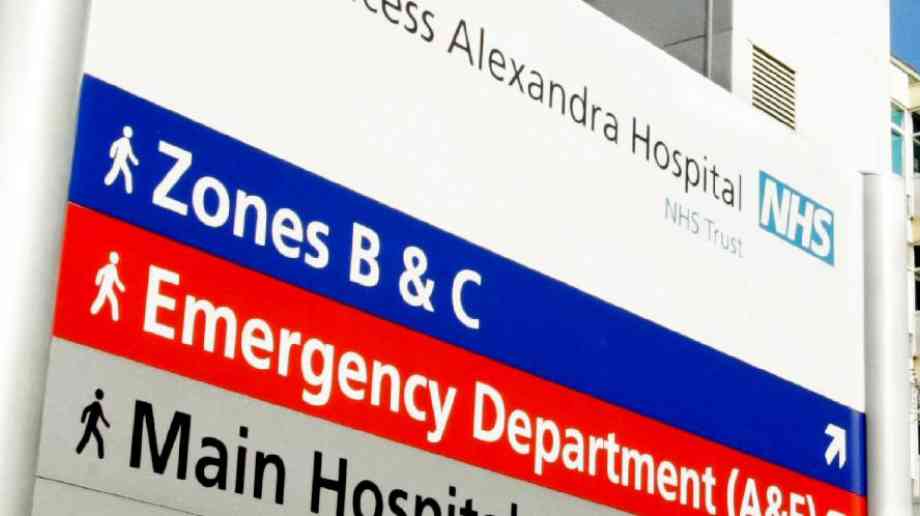
Stephen Powis has welcomed new polling which shows that patients and the public support NHS proposals focusing on fast treatment for those who need it in A&E.
A national survey commissioned by Healthwatch England revealed that an overwhelming majority of people placed a high priority on early initial assessment on arrival at A&E for everyone, allowing staff to prioritise those patients with the greatest need, and ensuring that patients with critical conditions get the right standard of care quickly.
These priorities are mirrored in new standards now being trialled across the NHS, as part of a review led by NHS National Medical Director, Professor Stephen Powis, supported by leading staff and patient groups. This includes a rapid assessment measure for all patients arriving at A&E, coupled with measuring how quickly life-saving treatment – or Critical Time Standards – is delivered for those with the most serious conditions, such as heart attacks, sepsis, stroke and severe asthma attacks.
Release of the new research comes as the NHS publishes an update on the progress made in the six months since these proposals were set out. Field testing of the full range of proposals for pre-planned, urgent and emergency, mental health and cancer services is now underway in more than 70 local hospitals and health groups, bringing together relevant NHS teams to ensure the proposals are practical, support staff to deliver the most up to date and effective care, and measure what matters most to patients.
Populus surveying found that only one in seven people actually know what the current target in A&E is, and less than half thought that meeting the current target should be a high priority for emergency department teams. Instead, the public expressed a clear preference for an average waiting time measure, with more people thinking it was easy to understand and would give a clear expectation of how long they could expect to wait compared with the current standard.
A group of 14 hospital trusts with major A&Es have been trialling the use of this measure since the end of May, with an initial six-week phase finding that it could be implemented safely and successfully.
Powis, said: “Medicine has constantly improved and evolved over the last seven decades, and it’s important that NHS standards keep up with the evidence of what works best, and what people expect from their local services. While it’s still too early for us to draw conclusions, this new research, combined with early feedback from local trials, provides real encouragement that our proposals will both command the confidence of patients and the public, and support staff to provide the high quality care we all want to see.”
Latest News

16/02/2024 - 12:56
Hammersmith and Fulham Council has created a new alliance intended to clean dirty air and improve residents' health.

16/02/2024 - 10:44
Two million more GP appointments a month are being delivered for patients compared to the same month before the pandemic as part of the NHS primary care access recovery plan according to new NHS data.

15/02/2024 - 10:26
The Welsh Government has provided innovation funding of £380,000 to support two projects utilising technology in domiciliary care.

15/02/2024 - 10:13
The new Scottish health secretary has met with frontline staff at Queen Elizabeth University Hospital in Glasgow.

14/02/2024 - 10:27
The North East London NHS Foundation Trust (NELFT) has appointed three new Executive Directors to the Trust Board.
Product Features

UK Building Regulations highlight toxic gas and smoke from layers of paint built up over multiple redecorations as a major cause of permanent ill health or death in a building fire.
Their concern rose with discovery the flame retardant paints most widely used paint along escape routes have been ones which to this day counter-productively use emission of heavy toxic gas to smother flames which rapidly spread along walls if layers of paint delaminate in a fire.
Supplier Profiles

Northwich’s Victoria Infirmary (VIN) Community Diagnostic Centre (CDC) has enabled more patients

Adveco, the commercial hot water specialist, announces the launch of live metering of domestic ho
Latest Features

Sarah Greenslade, public affairs and communications officer at the British Parking Association looks at some of the problems and innovations in healthcare parking

It’s easy to assume that the comms team is there to handle press enquiries and the occasional social media storm – but the reality is that strategic communications can make a measurable impact across the entire organisation, from operational to financial, when done properly


