
This story was first published in digitalhealth.net

Very first Active Practice Charter launched
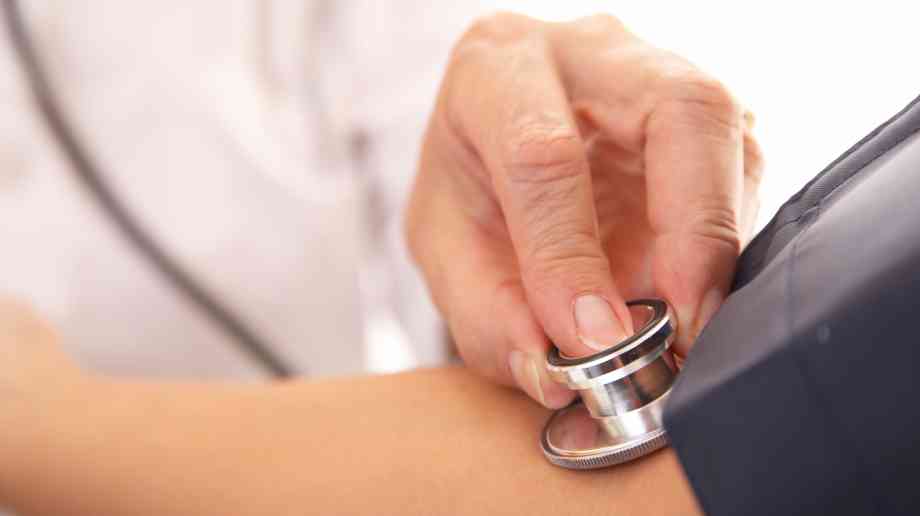
The Royal College of GPs and Sport England are collaborating to launch the very first Active Practice Charter to inspire GP practices to increase activity and reduce sedentary behaviour in their patients and staff.
Research shows that doing regular physical activity can reduce the risk of coronary heart disease and stroke by as much as 35 per cent and decrease the risk of early death by as much as 30 per cent. However, the UK population is approximately 20 per cent less active than during the 1960s and physical inactivity is a significant financial burden, estimated to cost as much as £7.4 billion each year, including £0.9 billion to the NHS alone.
With one in four people saying that they would be more active if it was recommended by a GP or nurse, the charter will benefit the approximately 8,000 GP practices in the UK, by raising awareness of the simple changes that can be made to improve the physical and mental well-being of patients and staff, such as signposting to local exercise classes or partnering with a nearby activity provider.
The Active Practice Charter – which is supported by National Lottery investment from Sport England – outlines the key principles of what it means for a practice to be 'active', and the steps GPs and their teams can take to get there.
To become an 'Active Practice' and receive a certificate recognising their status, surgeries will demonstrate that they have taken a number of steps, including: increasing physical activity in patients and staff; reducing sedentary behaviour in patients and staff; and partnering with a local physical activity provider to support the practice to get more people active.
The Royal College of General Practitioners and Sport England have also launched a Physical Activity and Lifestyle toolkit to help practices achieve Active Practice status, which contains a comprehensive selection of condition-specific, professional-facing information documents that can be used to help all healthcare professionals.
Andrew Boyd, clinical champion for Physical Activity and Lifestyle at the RCGP, said: "Busy GPs can't be expected to do everything when it comes to getting the nation more active, but we can play a vital role in starting the conversation with patients. By making small changes in our own workplace – using standing desks, encouraging active transport for staff, and partnering with local physical activity providers, for example - we can demonstrate to patients that being more active is good for everyone's physical and mental health."
Tim Hollingworth, Sport England's CEO, said: "Physical activity has a key role to play in helping people manage and improve their health and wellbeing. As trusted sources of information, GPs and practice teams have a real opportunity to start discussions that help it become the new normal in their community – for prevention as well as treatment. This toolkit will help busy GPs talk to patients about getting active and recommend local opportunities as part of their routine practice. We're delighted to be celebrating those GP practices who are promoting active lifestyles to patients and staff through the Active Practice Charter."
Helen Stokes-Lampard, chair of the Royal College of GPs, concluded: "All GPs know that encouraging patients to be more active can have huge benefits on their health and well-being and, in some cases, drastically improve conditions such as diabetes and heart disease - even dementia. But having the time to advise patients on lifestyle in the current 10-minute consultation can be a huge challenge, especially when there are often so many other things we need to discuss and when this probably wasn't the reason the patient has made the appointment – so taking a practice-wide approach to encouraging healthier lifestyles, for all of us, is a great idea.
"I'm delighted to see this project come to fruition and hope it helps practices up and down the country, including my own, further promote the truly life-changing health and well-being benefits of physical activity and keeping an active lifestyle."
Latest News

16/02/2024 - 12:56
Hammersmith and Fulham Council has created a new alliance intended to clean dirty air and improve residents' health.

16/02/2024 - 10:44
Two million more GP appointments a month are being delivered for patients compared to the same month before the pandemic as part of the NHS primary care access recovery plan according to new NHS data.

15/02/2024 - 10:26
The Welsh Government has provided innovation funding of £380,000 to support two projects utilising technology in domiciliary care.

15/02/2024 - 10:13
The new Scottish health secretary has met with frontline staff at Queen Elizabeth University Hospital in Glasgow.

14/02/2024 - 10:27
The North East London NHS Foundation Trust (NELFT) has appointed three new Executive Directors to the Trust Board.
Product Features

UK Building Regulations highlight toxic gas and smoke from layers of paint built up over multiple redecorations as a major cause of permanent ill health or death in a building fire.
Their concern rose with discovery the flame retardant paints most widely used paint along escape routes have been ones which to this day counter-productively use emission of heavy toxic gas to smother flames which rapidly spread along walls if layers of paint delaminate in a fire.
Supplier Profiles

Northwich’s Victoria Infirmary (VIN) Community Diagnostic Centre (CDC) has enabled more patients

Adveco, the commercial hot water specialist, announces the launch of live metering of domestic ho
Latest Features

Sarah Greenslade, public affairs and communications officer at the British Parking Association looks at some of the problems and innovations in healthcare parking

It’s easy to assume that the comms team is there to handle press enquiries and the occasional social media storm – but the reality is that strategic communications can make a measurable impact across the entire organisation, from operational to financial, when done properly


