
This story was first published in digitalhealth.net

Requires Improvement rating for Royal Liverpool
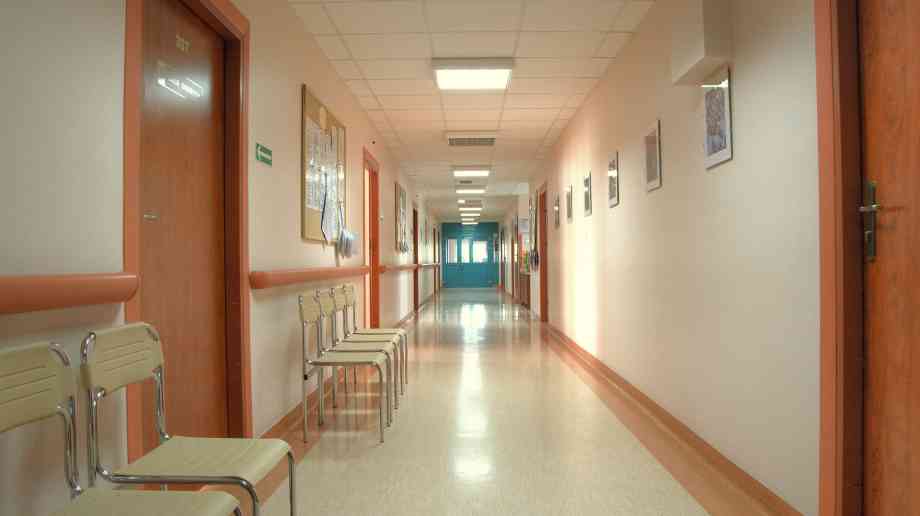
The Care Quality Commission (CQC) has rated the services provided by Royal Liverpool and Broadgreen University Hospitals NHS Trust as Requires Improvement.
Following inspections in January and February 2019, the trust which was previously rated as Good, was deemed Outstanding for being caring and Good for being safe and effective. However, responsive and well-led were rated Requires Improvement, which was the overall rating.
Inspectors analysed three core services at the Royal Liverpool site (Royal Liverpool Hospital): urgent and emergency care, surgery and medical care including older people’s services, as well as at management and leadership to answer the key question: Is the trust well-led?
There was effective leadership across the trust’s community and dental services with a focus on continuous improvement. In both services, people’s needs were sought and accommodated where possible to ensure they had a positive and personal experience. People were also fully involved in their care and praised the services for the care provided. Both services, and the trust overall, were rated Outstanding for being caring.
However, inspectors reported not enough appropriately experienced and trained staff were consistently available in the urgent and emergency service, while nursing and medical staff vacancy rates were high and patients that risked deterioration were not being regularly monitored.
Additionally, arrangements for managing demand did not always operate effectively and some staff in medical services did not understand how or when to assess whether a patient had capacity to make decisions about their care. Decisions were not always documented, meaning that it was unclear if they had been fully assessed. Managers in medical care were not always made aware of poor performance, so that timely improvements could be made. Leaders in both urgent and emergency and medical care services envisioned quality improvements, however, inspectors did not find evidence of actionable plans in medical care.
The Chief Inspector of Hospitals, Professor Ted Baker, said: “We saw some excellent practice and care being provided by the trust in the community and dental services, clearly making a positive difference to people’s lives. But during our visit to the Royal Liverpool we found a number of concerns, particularly in urgent and emergency and medical care services. We saw a lack of appropriately skilled and experienced staff, delays in discharges in some areas of the hospital, and areas and equipment that required important maintenance.
“We also found issues with managing demand and how quality improvements would be made. However, patients were cared for with dignity and respect, and staff were compassionate when delivering treatment. I pay tribute to the trust for improving their rating for caring from Good to Outstanding. This recognises all the hard work in challenging circumstances; the time staff spend with people through treating people with compassion, kindness and dignity, by going that extra mile.”
Latest News

16/02/2024 - 12:56
Hammersmith and Fulham Council has created a new alliance intended to clean dirty air and improve residents' health.

16/02/2024 - 10:44
Two million more GP appointments a month are being delivered for patients compared to the same month before the pandemic as part of the NHS primary care access recovery plan according to new NHS data.

15/02/2024 - 10:26
The Welsh Government has provided innovation funding of £380,000 to support two projects utilising technology in domiciliary care.

15/02/2024 - 10:13
The new Scottish health secretary has met with frontline staff at Queen Elizabeth University Hospital in Glasgow.

14/02/2024 - 10:27
The North East London NHS Foundation Trust (NELFT) has appointed three new Executive Directors to the Trust Board.
Product Features

UK Building Regulations highlight toxic gas and smoke from layers of paint built up over multiple redecorations as a major cause of permanent ill health or death in a building fire.
Their concern rose with discovery the flame retardant paints most widely used paint along escape routes have been ones which to this day counter-productively use emission of heavy toxic gas to smother flames which rapidly spread along walls if layers of paint delaminate in a fire.
Supplier Profiles

Northwich’s Victoria Infirmary (VIN) Community Diagnostic Centre (CDC) has enabled more patients

Adveco, the commercial hot water specialist, announces the launch of live metering of domestic ho
Latest Features

Sarah Greenslade, public affairs and communications officer at the British Parking Association looks at some of the problems and innovations in healthcare parking

It’s easy to assume that the comms team is there to handle press enquiries and the occasional social media storm – but the reality is that strategic communications can make a measurable impact across the entire organisation, from operational to financial, when done properly


