
This story was first published in digitalhealth.net

Reliable health information through Amazon Alexa
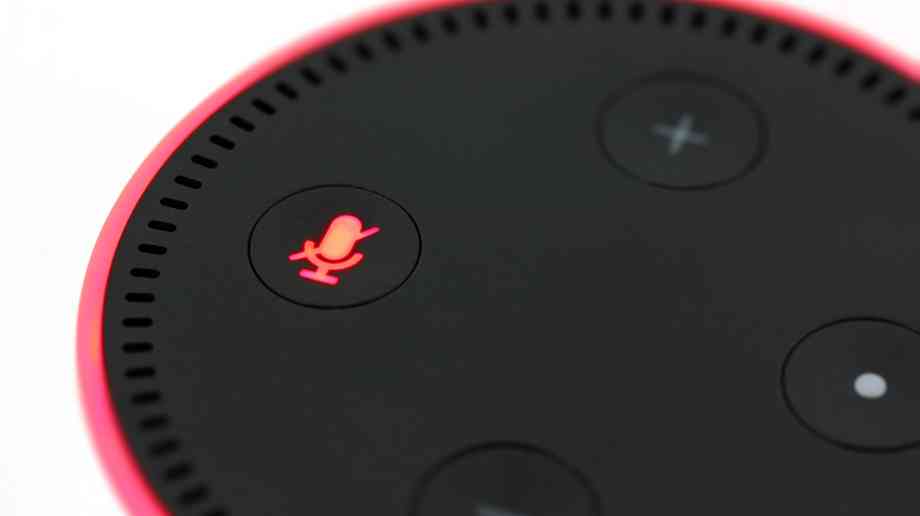
The NHS is collaborating with Amazon to provide reliable health information from the NHS website through voice-assisted technology.
The Department of Health and Social Care will help patients, especially the elderly, blind and those who cannot access the internet through traditional means, to get professional, NHS-verified health information in seconds, through simple voice commands.
With the potential to reduce the pressure on the NHS and GPs by providing information for common illnesses, NHSX will look at ways of making more NHS services available to all patients through digital technology, supporting the commitment in the NHS Long Term Plan to make more NHS services available digitally.
By 2020, half of all searches are expected to be made through voice-assisted technology. Amazon’s algorithm uses information from the NHS website to provide answers to voice questions such as: how do I treat a migraine?; what are the symptoms of flu?; and what are the symptoms of chickenpox?
Health Secretary Matt Hancock said: “We want to empower every patient to take better control of their healthcare and technology like this is a great example of how people can access reliable, world-leading NHS advice from the comfort of their home, reducing the pressure on our hardworking GPs and pharmacists.
“Through the NHS Long Term Plan, we want to embrace the advances in technology to build a health and care system that is fit for the future and NHSX will drive this revolution to bring the benefits to every patient, clinician and carer.”
Helen Stokes-Lampard, chair of the Royal College of GPs, said: "This idea is certainly interesting and it has the potential to help some patients work out what kind of care they need before considering whether to seek face-to-face medical help, especially for minor ailments that rarely need a GP appointment, such as coughs and colds that can be safely treated at home.
"However, it is vital that independent research is done to ensure that the advice given is safe, otherwise it could prevent people seeking proper medical help and create even more pressure on our overstretched GP service. While some patients might want to use symptom-checkers in this way, not everyone will be happy to do so and many people will not be able to afford the expense of this equipment, thus widening health inequalities and making access to care even harder for some of the most vulnerable people in our society.
"Technology can be brilliant, when used appropriately, and it is playing an increasingly important part in the way we deliver care to our patients throughout the NHS, but we must be careful not to create a 'digital divide' between those patients who can afford it and are able to use it, and those who can't. Patients who are frail often have more complex healthcare needs so it is important that they do not rely on this as their sole source of health advice, but seek the help of a healthcare professional such as a local pharmacist who can give further guidance on whether they need the expert care of a GP for more serious or ongoing symptoms."
Latest News

16/02/2024 - 12:56
Hammersmith and Fulham Council has created a new alliance intended to clean dirty air and improve residents' health.

16/02/2024 - 10:44
Two million more GP appointments a month are being delivered for patients compared to the same month before the pandemic as part of the NHS primary care access recovery plan according to new NHS data.

15/02/2024 - 10:26
The Welsh Government has provided innovation funding of £380,000 to support two projects utilising technology in domiciliary care.

15/02/2024 - 10:13
The new Scottish health secretary has met with frontline staff at Queen Elizabeth University Hospital in Glasgow.

14/02/2024 - 10:27
The North East London NHS Foundation Trust (NELFT) has appointed three new Executive Directors to the Trust Board.
Product Features

UK Building Regulations highlight toxic gas and smoke from layers of paint built up over multiple redecorations as a major cause of permanent ill health or death in a building fire.
Their concern rose with discovery the flame retardant paints most widely used paint along escape routes have been ones which to this day counter-productively use emission of heavy toxic gas to smother flames which rapidly spread along walls if layers of paint delaminate in a fire.
Supplier Profiles

Northwich’s Victoria Infirmary (VIN) Community Diagnostic Centre (CDC) has enabled more patients

Adveco, the commercial hot water specialist, announces the launch of live metering of domestic ho
Latest Features

Sarah Greenslade, public affairs and communications officer at the British Parking Association looks at some of the problems and innovations in healthcare parking

It’s easy to assume that the comms team is there to handle press enquiries and the occasional social media storm – but the reality is that strategic communications can make a measurable impact across the entire organisation, from operational to financial, when done properly


