
This story was first published in digitalhealth.net

£7 million in new energy tech for Royal Devon
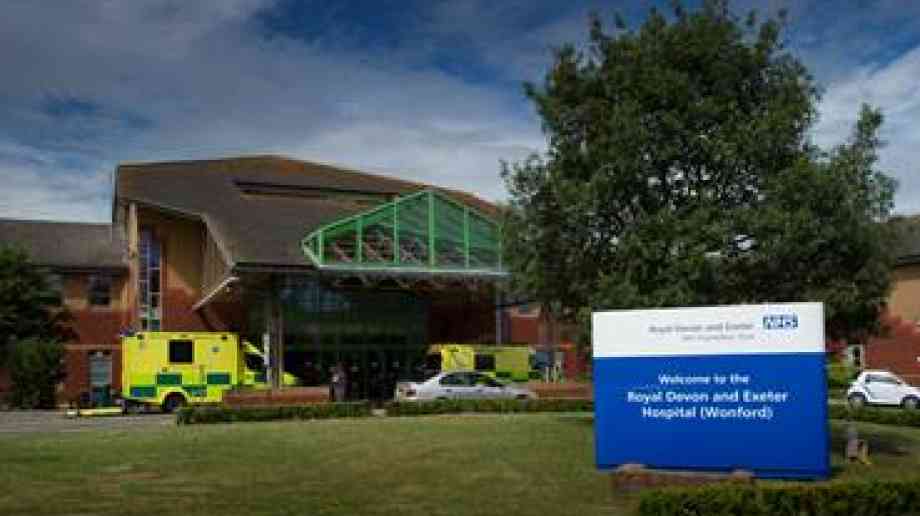
The Royal Devon and Exeter NHS Foundation Trust is set to reduce its energy costs by £800,000 each year, following a £7 million investment in sustainable energy measures.
The project, delivered by Centrica Business Solutions, will see state-of-the-art energy technology installed at five sites across Exeter, helping the trust to cut its energy costs by 17 per cent.
Design and construction is set to be completed by the end of April 2020. It includes the installation of a new 1.5MW combined heat and power unit that will generate power onsite at Wonford Hospital, as well as roof mounted solar panels at Wonford and Heavitree Hospitals and Mardon Neuro-Rehabilitation Centre in Exeter.
Wonford and Heavitree Hospitals will also benefit from new LED light fittings and improvements to the air conditioning systems, while Mardon Neuro-Rehabilitation Centre will profit from the installation of new energy-efficient boilers.
Once complete, it will reduce annual emissions by more than 2,200 tonnes of carbon dioxide – the equivalent to taking more than 1,450 cars off the road. The work is part of the Royal Devon and Exeter NHS Foundation Trust’s wider sustainability programme to help it lower energy costs and become a greener organisation with a smaller carbon footprint.
Robert Steele, the trust’s deputy director of Strategic Capital Planning, said: “As a major hospital providing round-the-clock services, we consume large amounts of energy so we’re committed to a range of measures to help us continually improve energy efficiency. This initiative with Centrica is a major part of our approach to reduce the amount of money we spend on energy and utilities, releasing more funds to invest in frontline patient care and other vital functions. At the same time, reducing our energy consumption helps reduce our environmental impact.”
Latest News

16/02/2024 - 12:56
Hammersmith and Fulham Council has created a new alliance intended to clean dirty air and improve residents' health.

16/02/2024 - 10:44
Two million more GP appointments a month are being delivered for patients compared to the same month before the pandemic as part of the NHS primary care access recovery plan according to new NHS data.

15/02/2024 - 10:26
The Welsh Government has provided innovation funding of £380,000 to support two projects utilising technology in domiciliary care.

15/02/2024 - 10:13
The new Scottish health secretary has met with frontline staff at Queen Elizabeth University Hospital in Glasgow.

14/02/2024 - 10:27
The North East London NHS Foundation Trust (NELFT) has appointed three new Executive Directors to the Trust Board.
Product Features

UK Building Regulations highlight toxic gas and smoke from layers of paint built up over multiple redecorations as a major cause of permanent ill health or death in a building fire.
Their concern rose with discovery the flame retardant paints most widely used paint along escape routes have been ones which to this day counter-productively use emission of heavy toxic gas to smother flames which rapidly spread along walls if layers of paint delaminate in a fire.
Supplier Profiles

Northwich’s Victoria Infirmary (VIN) Community Diagnostic Centre (CDC) has enabled more patients

Adveco, the commercial hot water specialist, announces the launch of live metering of domestic ho
Latest Features

Sarah Greenslade, public affairs and communications officer at the British Parking Association looks at some of the problems and innovations in healthcare parking

It’s easy to assume that the comms team is there to handle press enquiries and the occasional social media storm – but the reality is that strategic communications can make a measurable impact across the entire organisation, from operational to financial, when done properly


