
This story was first published in digitalhealth.net

Longer appointments for patients announced
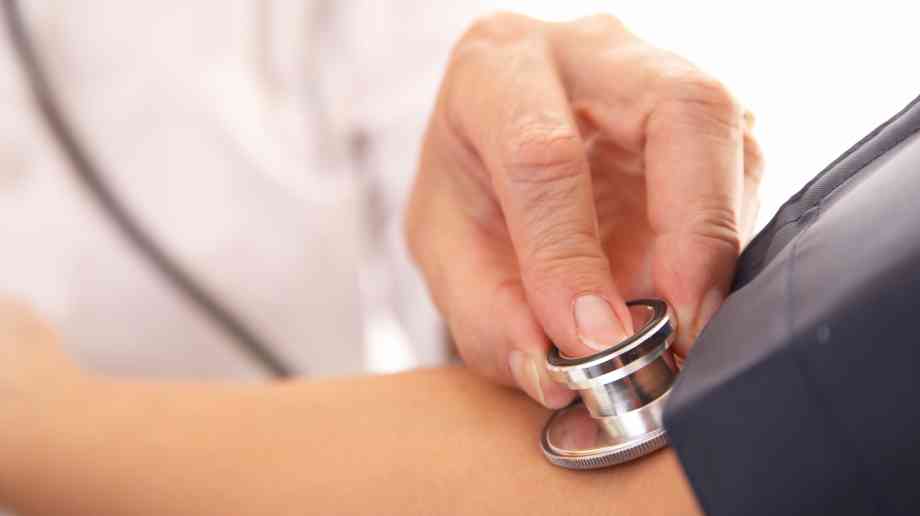
As part of changes to Primary Care Networks, NHS England has announced that patients will be able to get longer appointments with their family doctor.
Approximately 7,000 practices across England – more than 99 per cent – have come together to form more than 1,200 Primary Care Networks, which will see them work to support each other and deliver a wider range of specialist care services for patients from a range of skilled health professionals.
As such, GPs will recruit multi-disciplinary teams, including pharmacists, physiotherapists, paramedics, physician associates and social prescribing support workers, freeing up family doctors to focus on the sickest patients.
Forming part of the NHS Long Term Plan, the initiative comes alongside efforts to recruit more GPs. It is reported that a third of appointments do not need to be with a family doctor, and any new recruits to the profession will free up GPs to spend more time with patients who need them most, offering longer appointments to those who need them.
Simon Stevens, chief executive of NHS England and Improvement, said: “Strengthening general practice is a central part of the Long Term Plan, and Primary Care Networks have the potential to bring about the biggest improvement for a generation.
“As the PCNs get up and running in the coming weeks and months, patients will begin to see the benefits, freeing up GPs to focus on the sickest. This new way of working allows us to keep all that’s best about British general practice, while future-proofing it for the decade ahead.”
Helen Stokes-Lampard, chair of the Royal College of GPs, said: "Primary Care Networks are essentially groups of practices working together and aiming to work with other agencies to deliver improved care for patients - and collaboration can have great benefits, particularly at a time when general practice is facing such intense resource and workforce pressures.
"Working in networks should allow general practices to pool clinical and administrative resources, as well as making it easier to introduce truly multi-disciplinary teams - ultimately it should help to free up GPs' time to spend with patients who need us most, and improve access to more integrated services for our communities.
"However, there is no 'one size fits all' approach to resolving the pressures facing general practice, and while structural reorganisation like this can be positive for surgeries with sufficient resources, others will need a lot more support and time to develop. It is also essential that for Primary Care Networks to succeed, they are owned and designed by GPs and our teams - not subject to top-down imposition from commissioners. We are part of our local communities and are best-placed to understand our patient populations and their needs.
"As well as embracing new models of care, we need to see the other promises laid out in the NHS Long-Term Plan delivered in full, and more detail about how the aspirations in the interim People Plan will be achieved, as soon as possible."
Latest News

16/02/2024 - 12:56
Hammersmith and Fulham Council has created a new alliance intended to clean dirty air and improve residents' health.

16/02/2024 - 10:44
Two million more GP appointments a month are being delivered for patients compared to the same month before the pandemic as part of the NHS primary care access recovery plan according to new NHS data.

15/02/2024 - 10:26
The Welsh Government has provided innovation funding of £380,000 to support two projects utilising technology in domiciliary care.

15/02/2024 - 10:13
The new Scottish health secretary has met with frontline staff at Queen Elizabeth University Hospital in Glasgow.

14/02/2024 - 10:27
The North East London NHS Foundation Trust (NELFT) has appointed three new Executive Directors to the Trust Board.
Product Features

UK Building Regulations highlight toxic gas and smoke from layers of paint built up over multiple redecorations as a major cause of permanent ill health or death in a building fire.
Their concern rose with discovery the flame retardant paints most widely used paint along escape routes have been ones which to this day counter-productively use emission of heavy toxic gas to smother flames which rapidly spread along walls if layers of paint delaminate in a fire.
Supplier Profiles

Northwich’s Victoria Infirmary (VIN) Community Diagnostic Centre (CDC) has enabled more patients

Adveco, the commercial hot water specialist, announces the launch of live metering of domestic ho
Latest Features

Sarah Greenslade, public affairs and communications officer at the British Parking Association looks at some of the problems and innovations in healthcare parking

It’s easy to assume that the comms team is there to handle press enquiries and the occasional social media storm – but the reality is that strategic communications can make a measurable impact across the entire organisation, from operational to financial, when done properly


