
This story was first published in digitalhealth.net

Simple ‘aftercare’ cuts NHS hospital readmissions
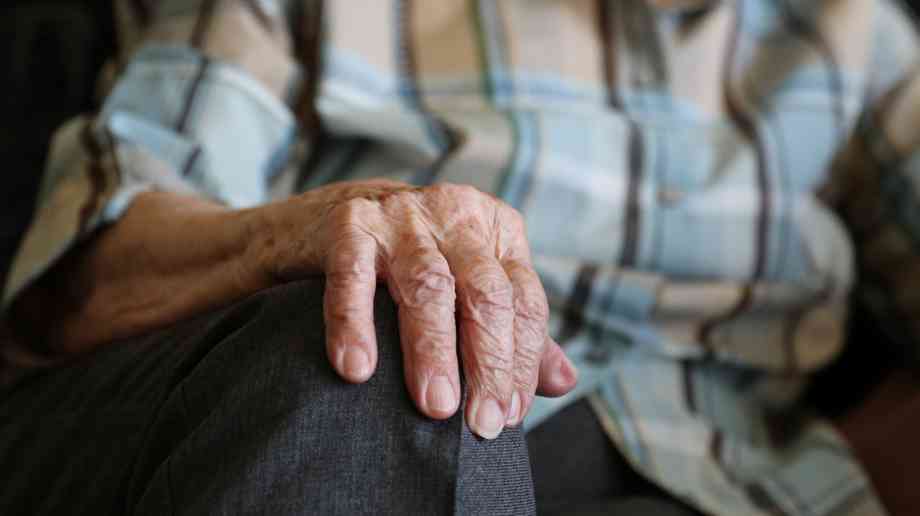
A new study has found that costly hospital readmissions in geriatric patients could be nearly halved if the NHS offered simple follow-up ‘aftercare’ calls and home visits for patients.
The study, carried out by Aston University’s School of Life and Health Sciences, suggests that readmissions could be cut by as much as 41 per cent if health authorities routinely made post-discharge calls to elderly patients after they are released from hospital.
Published in the Royal College of Physicians’ Future Healthcare Journal, the findings suggest that checks could amount to nothing more than a brief phone call from a community nurse, offering straightforward advice on medication management to older patients, through to referrals to community health providers including GPs and pharmacists.
NHS figures from March this year show that there were 865,625 emergency readmissions to hospital within 30 days of discharge in England last year, with the problem particularly acute amongst elderly patients. Approximately 15 per cent of over-65s are readmitted within 28 days.
Dr James Brown, senior lecturer in Life and Health Sciences at Aston University, said: “Our work shows that a simple service, whereby community nurses attempt to contact older adult patients after they are discharged from hospital, lead to a significant reduction in the number of patients readmitted within a month.
“The combination of Britain’s ageing population and an under-pressure NHS means it is now more important than ever to minimise the costs to our health services caused by unnecessary readmissions. It may seem hard to believe that something as simple as a phone call can have such a major impact, but our evidence suggests that this is so – the NHS could tackle the rise in readmissions by implementing simple, inexpensive telephone services which improve communication with patients.”
Latest News

16/02/2024 - 12:56
Hammersmith and Fulham Council has created a new alliance intended to clean dirty air and improve residents' health.

16/02/2024 - 10:44
Two million more GP appointments a month are being delivered for patients compared to the same month before the pandemic as part of the NHS primary care access recovery plan according to new NHS data.

15/02/2024 - 10:26
The Welsh Government has provided innovation funding of £380,000 to support two projects utilising technology in domiciliary care.

15/02/2024 - 10:13
The new Scottish health secretary has met with frontline staff at Queen Elizabeth University Hospital in Glasgow.

14/02/2024 - 10:27
The North East London NHS Foundation Trust (NELFT) has appointed three new Executive Directors to the Trust Board.
Product Features

UK Building Regulations highlight toxic gas and smoke from layers of paint built up over multiple redecorations as a major cause of permanent ill health or death in a building fire.
Their concern rose with discovery the flame retardant paints most widely used paint along escape routes have been ones which to this day counter-productively use emission of heavy toxic gas to smother flames which rapidly spread along walls if layers of paint delaminate in a fire.
Supplier Profiles

Northwich’s Victoria Infirmary (VIN) Community Diagnostic Centre (CDC) has enabled more patients

Adveco, the commercial hot water specialist, announces the launch of live metering of domestic ho
Latest Features

Sarah Greenslade, public affairs and communications officer at the British Parking Association looks at some of the problems and innovations in healthcare parking

It’s easy to assume that the comms team is there to handle press enquiries and the occasional social media storm – but the reality is that strategic communications can make a measurable impact across the entire organisation, from operational to financial, when done properly


