
This story was first published in digitalhealth.net

Patients' lives at risk due to waiting times
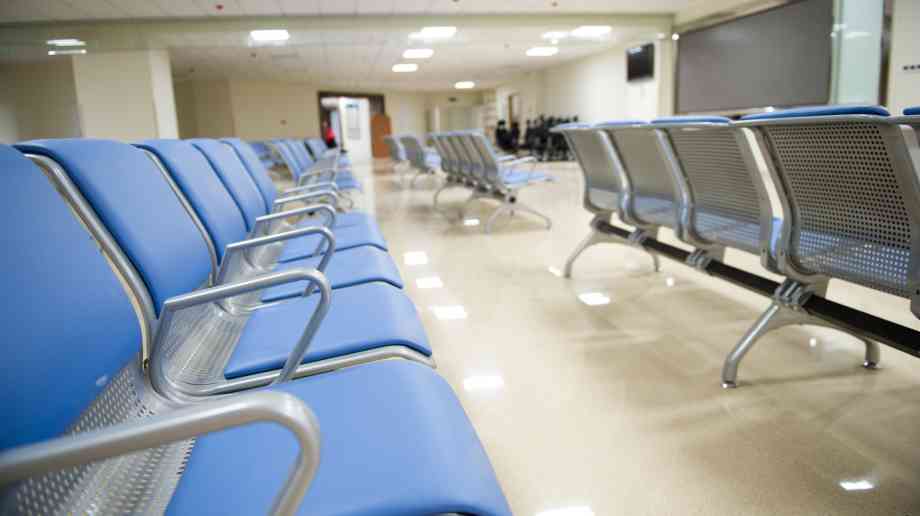
The Public Accounts Committee has warned that only 38 per cent of NHS trusts are currently meeting the 62-day waiting times standard for referral to treatment for cancer patients.
In the committee’s new report, MPs argue that more and more patients are being let down by the NHS’s continued failure to meet deadlines for waiting times, with data showing that the percentage of patients treated within waiting times standards is continuing to worsen for both elective (non-urgent care) and cancer treatment.
In fact, less than half of NHS trusts and foundation trusts (trusts) meet the 18-week waiting times standard for elective treatment, and only 38 per cent meet the 62-day standard from referral to treatment for cancer patients.
The committee stresses that NHS organisations are not being sufficiently held to account for ensuring patients’ rights to treatment within maximum waiting times for elective care, with those responsible within the NHS not yet fully understanding what is driving the demand for elective care, undermining its ability to plan services to meet patient needs.
Therefore, the PAC says that, by December 2019, NHS England should set out how, and by when, it will ensure that waiting times standards for elective and cancer care will be delivered again, and that the Department of Health & Social Care and NHS England should clarify to the Committee by the same date how NHS England will be held accountable for achieving waiting times standards now and in the future; and what additional support NHS England and NHS Improvement will put in place to help local NHS bodies to meet waiting times standards.
Meg Hillier, chair of the committee, said: “It is unacceptable that the proportion of patients being treated within NHS waiting times standards is continuing to spiral downwards; NHS England and the Department of Health & Social Care must regain control. The impact on individuals of protracted waiting times cannot be ignored. As one charity told us, the wait for cancer testing is “agonising… it is essential that a definitive answer is given as soon as possible, to either provide peace of mind or to allow treatment to begin at the earliest stage.”
“In a high-pressured healthcare environment in which patient numbers are rising and demand is increasing, we were troubled by the Department’s and NHS England’s approach to waiting times which seems to be characterised by gaps in understanding of: patient harm, hospital capacity and what is driving demand. It is no surprise then that we see such variation of waiting times across local areas and, therefore, why it has proved impossible for local trusts to properly map services and deliver sufficient provision.
“NHS England’s review of waiting times is now more crucial than ever. However, this cannot be an opportunity for standards to slip, any changes must protect and improve patient outcomes. Ultimately, NHS England must steer waiting times standards back on course to prevent further decline. We call on NHS to outline and commit to a firm timescale and plan for delivering this.”
Jonathan Ashworth, Shadow Health Secretary, responded: “Cancer services simply aren’t keeping pace with demand, and it’s disgraceful that cancer patients aren’t being seen on time, especially when we know that early diagnosis leads to better treatment and survival.
“This report is a reminder that years of Tory underfunding and understaffing has left patients increasingly anxious and worried for test results, and will be forced to wait longer for vital treatment. Rather than playing leadership games, it’s time the Health Secretary focused on his day job and got a grip of the deep problems facing the NHS.”
Chaand Nagpaul, BMA chair, said: “The latest PAC report echoes the findings of the BMA’s recent analysis of NHS data in England, which painted a picture of an NHS struggling to cope with unsustainable pressure from rising workload, stagnating budgets and widespread staff shortages.
“It is particularly worrying that alongside increasing overall waiting lists, cancer treatment services continue to plunge further into crisis, with six out of ten trusts failing to ensure patients are seen within the 62-day standard - a pledge set out in the NHS constitution’s handbook. This is a vital part of the health service which should be providing fast, effective and caring treatment at an early stage for what can be a life-threatening condition. It is unacceptable that patients and their families should have to endure the added stress of having to wait weeks and weeks for further care, well beyond recommended limits. The BMA’s own research showed cancer services suffered from unprecedented strain this winter. There are also worrying figures which show that bed shortages are directly leading to delays in elective care across the NHS.
“The government must act to address this mounting crisis and listen to the BMA’s call for increased, immediate funding to frontline services which must include a long term plan that addresses the workload and workforce pressures that are damaging patient care.”
Latest News

16/02/2024 - 12:56
Hammersmith and Fulham Council has created a new alliance intended to clean dirty air and improve residents' health.

16/02/2024 - 10:44
Two million more GP appointments a month are being delivered for patients compared to the same month before the pandemic as part of the NHS primary care access recovery plan according to new NHS data.

15/02/2024 - 10:26
The Welsh Government has provided innovation funding of £380,000 to support two projects utilising technology in domiciliary care.

15/02/2024 - 10:13
The new Scottish health secretary has met with frontline staff at Queen Elizabeth University Hospital in Glasgow.

14/02/2024 - 10:27
The North East London NHS Foundation Trust (NELFT) has appointed three new Executive Directors to the Trust Board.
Product Features

UK Building Regulations highlight toxic gas and smoke from layers of paint built up over multiple redecorations as a major cause of permanent ill health or death in a building fire.
Their concern rose with discovery the flame retardant paints most widely used paint along escape routes have been ones which to this day counter-productively use emission of heavy toxic gas to smother flames which rapidly spread along walls if layers of paint delaminate in a fire.
Supplier Profiles

Northwich’s Victoria Infirmary (VIN) Community Diagnostic Centre (CDC) has enabled more patients

Adveco, the commercial hot water specialist, announces the launch of live metering of domestic ho
Latest Features

Sarah Greenslade, public affairs and communications officer at the British Parking Association looks at some of the problems and innovations in healthcare parking

It’s easy to assume that the comms team is there to handle press enquiries and the occasional social media storm – but the reality is that strategic communications can make a measurable impact across the entire organisation, from operational to financial, when done properly


