
This story was first published in digitalhealth.net

Allocate patients 15-minute slots, say GPs
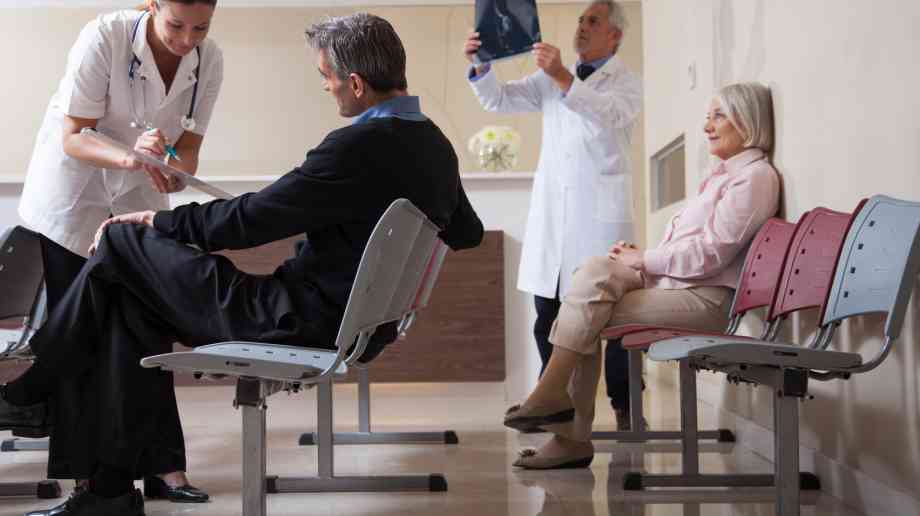
The Royal College of GPs has released its vision of what general practice will look like in 2030, arguing that GP consultations should be extended from 10 to 15 minutes.
Fit for the Future was informed through consultation with more than 3,000 GPs, other health professionals and patients, as well as research commissioned from The King's Fund. It says that by 2030 face-to-face GP consultations will be at least 15 minutes, with longer for those patients who need it.
Recent research found that the average GP consultation involved discussion of two and a half health problems. It's estimated that the number of people with a single chronic condition increased by four per cent, and with multiple chronic conditions by eight per cent per year between 2003/4-2015/16 – and that patients with long-term conditions account for around 50 per cent of all GP appointments.
The RCGP report also predicts: an overhaul of the GP-patient record into a personalised 'data dashboard' that will draw on data from the patient's genomic profile and wearable monitoring devices; networks of GP practices evolving into 'well-being hubs' with expanded teams offering a wider range of services; and GPs no longer working in isolation – practices will instead work in networks or clusters, allowing them to pool resources and people, but facilitating smaller practices to retain their independence and patient lists.
Helen Stokes-Lampard, chair of the Royal College of GPs, said: "It is abundantly clear that the standard 10-minute appointment is unfit for purpose. It's increasingly rare for a patient to present with a just single health condition, and we cannot deal with this adequately in 10 minutes. GPs we want to deliver truly holistic care to our patients, considering all the physical, psychological and social factors potentially impacting on their health. But this depends on us having more time to spend with patients, and the resources and people to allow us to do this.
"NHS bodies across the UK do not stipulate how long GP appointments should be, but GP workload is soaring, GP numbers are falling, and patients are already waiting too long to secure an appointment as a result. Without more resources and an expanded workforce, longer consultations would simply mean increased waiting times, undermining patients' ability to access the care that they need."
Latest News

16/02/2024 - 12:56
Hammersmith and Fulham Council has created a new alliance intended to clean dirty air and improve residents' health.

16/02/2024 - 10:44
Two million more GP appointments a month are being delivered for patients compared to the same month before the pandemic as part of the NHS primary care access recovery plan according to new NHS data.

15/02/2024 - 10:26
The Welsh Government has provided innovation funding of £380,000 to support two projects utilising technology in domiciliary care.

15/02/2024 - 10:13
The new Scottish health secretary has met with frontline staff at Queen Elizabeth University Hospital in Glasgow.

14/02/2024 - 10:27
The North East London NHS Foundation Trust (NELFT) has appointed three new Executive Directors to the Trust Board.
Product Features

UK Building Regulations highlight toxic gas and smoke from layers of paint built up over multiple redecorations as a major cause of permanent ill health or death in a building fire.
Their concern rose with discovery the flame retardant paints most widely used paint along escape routes have been ones which to this day counter-productively use emission of heavy toxic gas to smother flames which rapidly spread along walls if layers of paint delaminate in a fire.
Supplier Profiles

Northwich’s Victoria Infirmary (VIN) Community Diagnostic Centre (CDC) has enabled more patients

Adveco, the commercial hot water specialist, announces the launch of live metering of domestic ho
Latest Features

Sarah Greenslade, public affairs and communications officer at the British Parking Association looks at some of the problems and innovations in healthcare parking

It’s easy to assume that the comms team is there to handle press enquiries and the occasional social media storm – but the reality is that strategic communications can make a measurable impact across the entire organisation, from operational to financial, when done properly


