
This story was first published in digitalhealth.net

£75 million investment in fight against cancer
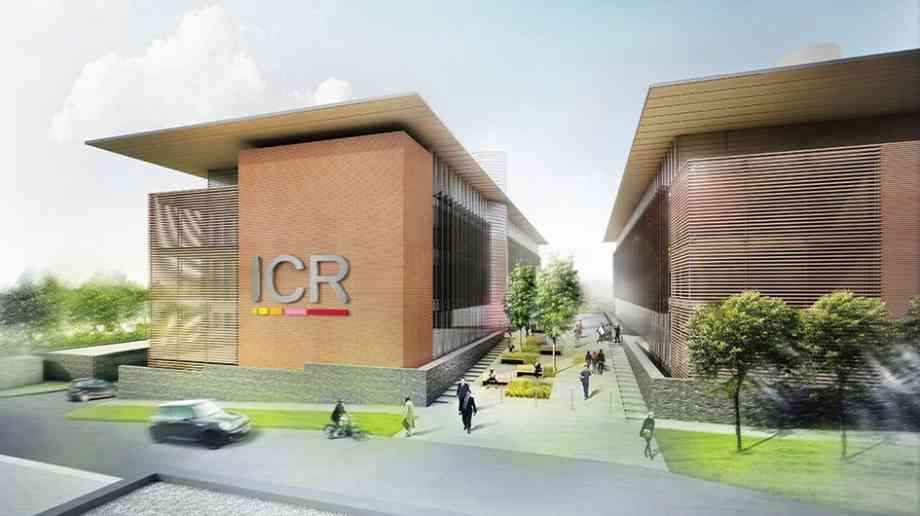
The Institute of Cancer Research is to invest an initial £75 million in creating a global centre of expertise in anti-evolution therapies – which hold the promise of outsmarting cancer to improve cure rates.
The London-based ICR is aiming to harness evolutionary science within a new Centre for Cancer Drug Discovery to ‘herd’ cancers with anti-evolution drugs and combinations. Researchers and scientists at the institute believe this new approach can deliver long-term control and effective cures, just as comparable approaches have with HIV.
The new Centre for Cancer Drug Discovery will bring together world-leading researchers from very different disciplines across drug discovery and evolutionary science under one roof to create new resistance-busting treatments – coming together with the joint aim to overcome or redirect the whole process of cancer evolution.
The building, which is also now seeking a further £15 million for completion, will house a series of pioneering projects including: the use of AI and advanced maths to ‘herd’ cancer like livestock so it is forced to adapt to one treatment by developing weaknesses against others; the creation of the world’s first anti-evolution cancer drug to slow down cancer’s ability to evolve and so delay its resistance to treatment; and devising innovative, multi-drug combinations that block several different cancer genes at once or that boost the immune system – as used to achieve long-term control or cures for diseases such as HIV and tuberculosis.
Paul Workman, chief executive of the ICR, said: “Cancer’s ability to adapt, evolve and become drug resistant is the cause of the vast majority of deaths from the disease and the biggest challenge we face in overcoming it. At the ICR, we are changing the entire way we think about cancer, to focus on understanding, anticipating and overcoming cancer evolution.
“If we can raise a further £15m to deliver our new Centre for Cancer Drug Discovery, we can bring together under one roof experts in cancer therapeutics alongside others studying evolution in animals, cells and individual patients, to create a new generation of cancer treatments. We will create exciting new ways of meeting the challenge of cancer evolution head on, by blocking the entire process of evolutionary diversity, using AI and maths to herd cancer into more treatable forms, and tackling cancer with multi-drug combinations as used successfully against HIV and tuberculosis.
“We firmly believe that, with further research, we can find ways to make cancer a manageable disease in the long term and one that is more often curable, so patients can live longer and with a better quality of life. But that research will need support and our new Centre will dramatically accelerate the progress we’re already making.”
Latest News

16/02/2024 - 12:56
Hammersmith and Fulham Council has created a new alliance intended to clean dirty air and improve residents' health.

16/02/2024 - 10:44
Two million more GP appointments a month are being delivered for patients compared to the same month before the pandemic as part of the NHS primary care access recovery plan according to new NHS data.

15/02/2024 - 10:26
The Welsh Government has provided innovation funding of £380,000 to support two projects utilising technology in domiciliary care.

15/02/2024 - 10:13
The new Scottish health secretary has met with frontline staff at Queen Elizabeth University Hospital in Glasgow.

14/02/2024 - 10:27
The North East London NHS Foundation Trust (NELFT) has appointed three new Executive Directors to the Trust Board.
Product Features

UK Building Regulations highlight toxic gas and smoke from layers of paint built up over multiple redecorations as a major cause of permanent ill health or death in a building fire.
Their concern rose with discovery the flame retardant paints most widely used paint along escape routes have been ones which to this day counter-productively use emission of heavy toxic gas to smother flames which rapidly spread along walls if layers of paint delaminate in a fire.
Supplier Profiles

Northwich’s Victoria Infirmary (VIN) Community Diagnostic Centre (CDC) has enabled more patients

Adveco, the commercial hot water specialist, announces the launch of live metering of domestic ho
Latest Features

Sarah Greenslade, public affairs and communications officer at the British Parking Association looks at some of the problems and innovations in healthcare parking

It’s easy to assume that the comms team is there to handle press enquiries and the occasional social media storm – but the reality is that strategic communications can make a measurable impact across the entire organisation, from operational to financial, when done properly


