
This story was first published in digitalhealth.net

Sustained fall in GP numbers in UK
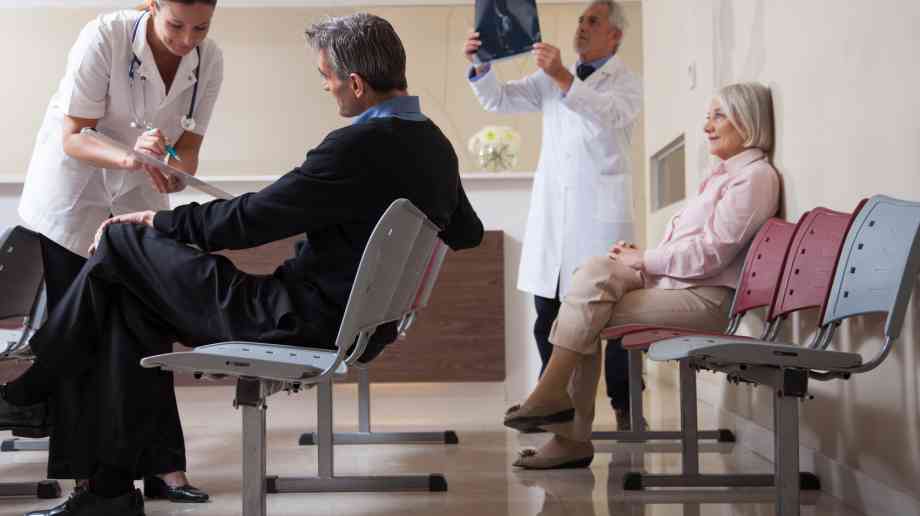
Analysis by the Nuffield Trust for the BBC has revealed that the NHS is seeing the first sustained fall in GP numbers in the UK for 50 years.
The figures highlight how the number of GPs per 100,000 people has fallen from nearly 65 in 2014 to 60 last year, the first time there has been such a drop since the 1960s.
With patient groups claiming a lack of GPs is causing real difficulties in making appointments, there have been reports of waits of up to seven weeks for a routine appointment, while those needing urgent appointments have been forced to queue outside practices in the early morning to guarantee to be seen.
NHS chiefs maintain that more GPs are being trained and extra support staff recruited to work alongside them, but the Nuffield Trust data shows that there has now been four consecutive years of falls, with the biggest drops being seen in England. The fall in GPs from 64.9 per 100,000 to 60 per 100,000 means the average doctor now has 125 more patients to look after than they did in 2014.
The Nuffield Trust believes another 3,500 GPs would be needed to get the NHS back to where it was in 2014.
Helen Stokes-Lampard, chair of the Royal College of GPs, said: "These figures are disheartening but will be unsurprising for GPs – and their patients – across the country who are feeling the impact of relentless workforce pressures in general practice on a daily basis. Whilst we wait for the next generation of family doctors to enter the workforce, existing GPs and our teams are struggling to manage escalating workloads without enough time or the resources to deal with them.
"Demand for GP services is escalating both in terms of volume and complexity – and when this is compounded by falling GP numbers, it creates a perfect storm that is leading to GPs becoming stressed and burning out, and in many cases leaving NHS general practice far earlier than they might otherwise have done. More must be done to keep our hard-working, experienced GPs in the profession for longer – not only are they vital to delivering vital care to over a million patients a day, but they have a huge amount of wisdom to impart to new colleagues.
"We need see more measures implemented to genuinely tackle soaring workload as a matter of urgency and efforts redoubled to cut red tape that diverts time away from patients, and we need to make the working environment in general practice supportive and sustainable, so that family doctors aren’t forced out of the profession. This would not just be in the best interests of GPs, but the NHS as a whole, and most importantly, our patients."
Latest News

16/02/2024 - 12:56
Hammersmith and Fulham Council has created a new alliance intended to clean dirty air and improve residents' health.

16/02/2024 - 10:44
Two million more GP appointments a month are being delivered for patients compared to the same month before the pandemic as part of the NHS primary care access recovery plan according to new NHS data.

15/02/2024 - 10:26
The Welsh Government has provided innovation funding of £380,000 to support two projects utilising technology in domiciliary care.

15/02/2024 - 10:13
The new Scottish health secretary has met with frontline staff at Queen Elizabeth University Hospital in Glasgow.

14/02/2024 - 10:27
The North East London NHS Foundation Trust (NELFT) has appointed three new Executive Directors to the Trust Board.
Product Features

UK Building Regulations highlight toxic gas and smoke from layers of paint built up over multiple redecorations as a major cause of permanent ill health or death in a building fire.
Their concern rose with discovery the flame retardant paints most widely used paint along escape routes have been ones which to this day counter-productively use emission of heavy toxic gas to smother flames which rapidly spread along walls if layers of paint delaminate in a fire.
Supplier Profiles

Northwich’s Victoria Infirmary (VIN) Community Diagnostic Centre (CDC) has enabled more patients

Adveco, the commercial hot water specialist, announces the launch of live metering of domestic ho
Latest Features

Sarah Greenslade, public affairs and communications officer at the British Parking Association looks at some of the problems and innovations in healthcare parking

It’s easy to assume that the comms team is there to handle press enquiries and the occasional social media storm – but the reality is that strategic communications can make a measurable impact across the entire organisation, from operational to financial, when done properly


