
This story was first published in digitalhealth.net

One in three patients exposed to toxic air while visiting GP
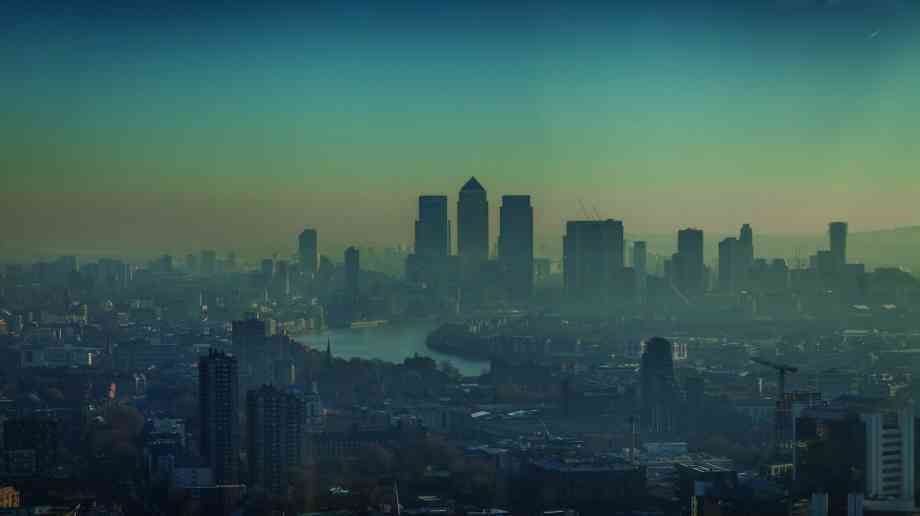
Air pollution data monitoring levels of particulate matter (PM2.5) outside GP practices in the UK show nearly one in three NHS patients are attending GP surgeries where the levels of pollution breach limits set by the World Health Organisation.
The findings are based on particle pollution (PM2.5) data published by the British Lung Foundation and the NHS Digital Database. It shows that London (7.5 million), the East Midlands (2.1 million), the East of England (2.5 million), South East (2.3 million), and the West Midlands (1.5 million) have the most patients registered with GP surgeries in pollution hotspots.
Last month the government published its Clean Air Strategy, which included measures that it believes will save the NHS £1.7bn a year by 2020, rising to £5.3bn a year from 2030, due to improved air quality.
UK100 director Polly Billington said the figures showed air pollution was a "national problem" and called for a new Clean Air Act.
"Some of the most vulnerable groups of people including young children and older people will walk to their GP, often to get help with respiratory conditions like asthma and bronchitis," she said. "This shows the real danger to their health of the air pollution in their communities."
The findings, which are also backed by the chief executive of NHS England, the Mayor of London, and the British Medical Association (BMA), prompted fresh calls for the UK government to unlock new measures and funding to help councils improve air quality in local areas.
The Mayor of London, Sadiq Khan, said the findings were a "timely reminder of how many people are exposed to poor air when they are at their most vulnerable".
"Government must recognise that cities can't win this battle alone and we now need to be given greater powers and funding to clean up our filthy air and protect future generations," he added.
The research comes ahead of a Clean Air Summit in London on Wednesday which will be attended by mayors and council leaders as well as the Environment Secretary Michael Gove and Health Secretary Matt Hancock.
The government also said it would go beyond existing EU air pollution rules by adopting stricter WHO air pollution guidelines, although critics warned such plans were short on detail with no clear deadlines for meeting these limits.
Latest News

16/02/2024 - 12:56
Hammersmith and Fulham Council has created a new alliance intended to clean dirty air and improve residents' health.

16/02/2024 - 10:44
Two million more GP appointments a month are being delivered for patients compared to the same month before the pandemic as part of the NHS primary care access recovery plan according to new NHS data.

15/02/2024 - 10:26
The Welsh Government has provided innovation funding of £380,000 to support two projects utilising technology in domiciliary care.

15/02/2024 - 10:13
The new Scottish health secretary has met with frontline staff at Queen Elizabeth University Hospital in Glasgow.

14/02/2024 - 10:27
The North East London NHS Foundation Trust (NELFT) has appointed three new Executive Directors to the Trust Board.
Product Features

UK Building Regulations highlight toxic gas and smoke from layers of paint built up over multiple redecorations as a major cause of permanent ill health or death in a building fire.
Their concern rose with discovery the flame retardant paints most widely used paint along escape routes have been ones which to this day counter-productively use emission of heavy toxic gas to smother flames which rapidly spread along walls if layers of paint delaminate in a fire.
Supplier Profiles

Northwich’s Victoria Infirmary (VIN) Community Diagnostic Centre (CDC) has enabled more patients

Adveco, the commercial hot water specialist, announces the launch of live metering of domestic ho
Latest Features

Sarah Greenslade, public affairs and communications officer at the British Parking Association looks at some of the problems and innovations in healthcare parking

It’s easy to assume that the comms team is there to handle press enquiries and the occasional social media storm – but the reality is that strategic communications can make a measurable impact across the entire organisation, from operational to financial, when done properly


