
This story was first published in digitalhealth.net

New method to predict breast cancer risk
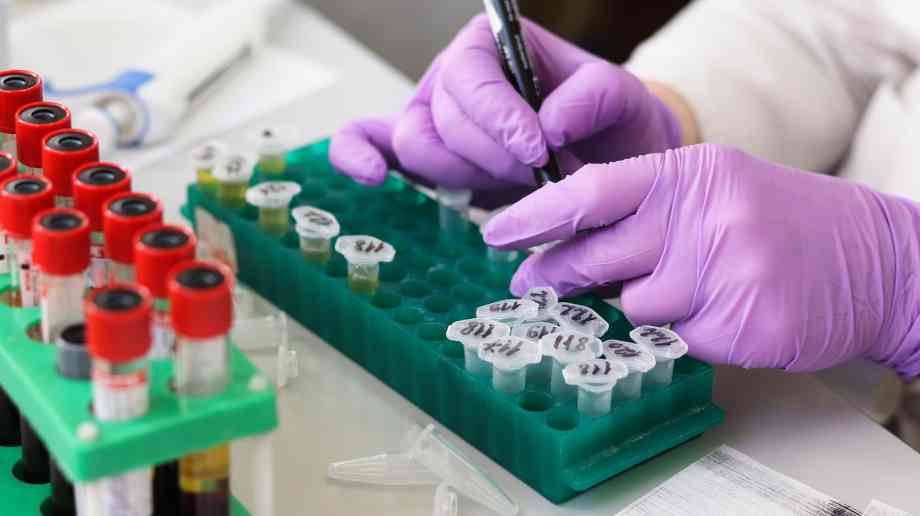
A study by Cancer Research UK claims that scientists have created the most comprehensive method yet to predict a woman’s risk of breast cancer.
Published in Genetics in Medicine, the researchers have created a way of calculating the risk of developing breast cancer by combining information on family history and genetics with other factors such as weight, age at menopause, alcohol consumption and use of hormone replacement therapy. By considering all of them at once, plus family history and genetics, scientists say that they can identify groups of women who have different risks of developing breast cancer.
For the first time, researchers have importantly taken into account more than 300 genetic indicators for breast cancer, making calculating the risk much more precise than ever before. From this, the researchers have created an online calculator for GPs to use in their surgeries.
Nearly 55,000 women are diagnosed with the disease each year, but a large proportion of breast cancer cases occur in people who are at an increased risk.
Antonis Antoniou, lead author at the University of Cambridge, said: “This is the first time that anyone has combined so many elements into one breast cancer prediction tool. It could be a game changer for breast cancer because now we can identify large numbers of women with different levels of risk – not just women who are at high risk.
“This should help doctors to tailor the care they provide depending on their patients’ level of risk. For example, some women may need additional appointments with their doctor to discuss screening or prevention options and others may just need advice on their lifestyle and diet. We hope this means more people can be diagnosed early and survive their disease for longer, but more research and trials are needed before we will fully understand how this could be used.”
Richard Roope, Cancer Research UK’s GP expert, said: “Research like this is hugely exciting because in the future it will enable us to offer much more tailored care which will benefit patients and make best use of the services that we have available. Although having an increased risk of breast cancer means a woman is more likely to develop the disease – it’s by no means a certainty. A woman at high risk may never get breast cancer just as a woman at low risk still could. But any woman with concerns should speak to her GP to discuss the options.”
Latest News

16/02/2024 - 12:56
Hammersmith and Fulham Council has created a new alliance intended to clean dirty air and improve residents' health.

16/02/2024 - 10:44
Two million more GP appointments a month are being delivered for patients compared to the same month before the pandemic as part of the NHS primary care access recovery plan according to new NHS data.

15/02/2024 - 10:26
The Welsh Government has provided innovation funding of £380,000 to support two projects utilising technology in domiciliary care.

15/02/2024 - 10:13
The new Scottish health secretary has met with frontline staff at Queen Elizabeth University Hospital in Glasgow.

14/02/2024 - 10:27
The North East London NHS Foundation Trust (NELFT) has appointed three new Executive Directors to the Trust Board.
Product Features

UK Building Regulations highlight toxic gas and smoke from layers of paint built up over multiple redecorations as a major cause of permanent ill health or death in a building fire.
Their concern rose with discovery the flame retardant paints most widely used paint along escape routes have been ones which to this day counter-productively use emission of heavy toxic gas to smother flames which rapidly spread along walls if layers of paint delaminate in a fire.
Supplier Profiles

Northwich’s Victoria Infirmary (VIN) Community Diagnostic Centre (CDC) has enabled more patients

Adveco, the commercial hot water specialist, announces the launch of live metering of domestic ho
Latest Features

Sarah Greenslade, public affairs and communications officer at the British Parking Association looks at some of the problems and innovations in healthcare parking

It’s easy to assume that the comms team is there to handle press enquiries and the occasional social media storm – but the reality is that strategic communications can make a measurable impact across the entire organisation, from operational to financial, when done properly


