
This story was first published in digitalhealth.net

15 million GP appointments wasted each year
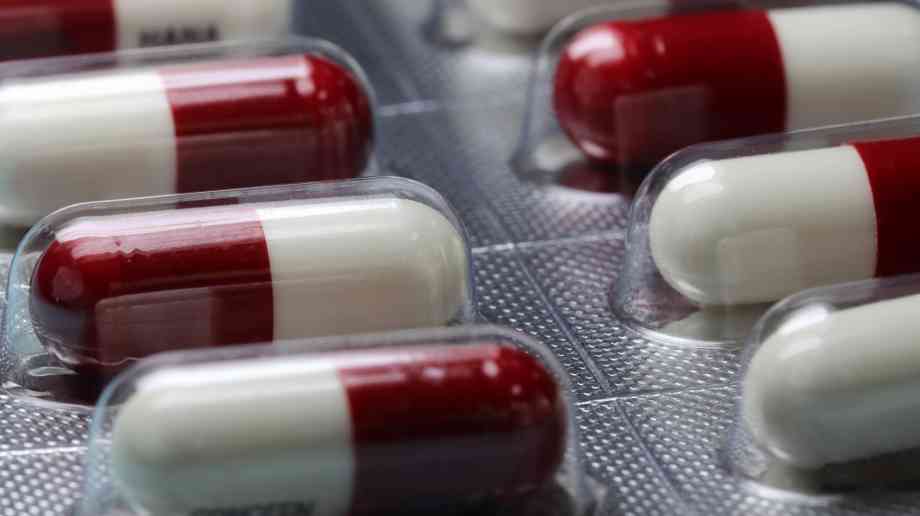
NHS England has revealed that more than 15 million GP appointments are wasted each year due to patients failing to warn surgeries they will not be attending.
Latest figures indicate that five per cent of the approximately 307 million sessions scheduled each year with GPs, nurses and therapists are missed without enough notice to invite other patients to fill the necessary slot. Every year, this equates to roughly 15.4 million missed appointments.
With each session costing an average of £30, the total cost to the NHS of these appointments sits at in excess of £216 million, in addition to the disruption caused to staff and fellow patients. NHS England is stressing that such a sum could pay for the annual salaries of 2,325 full time GPs, 58,320 hip replacement operations and 216,000 drug treatment courses for alzheimer's.
Nikki Kanani, acting director of Primary Care for NHS England, said: “We know that timely access to general practice appointments are a priority for the public which is why we are growing the workforce and offering evening and weekend appointments. The NHS long term plan will set out how we will build on this progress but patients can do their part by letting the NHS know if they can’t make their slot – freeing up doctors, nurses and other professionals to see those who do need care and attention.
“This is particularly important as we go in to winter. Our message is clear: if you cannot make it to your appointment or no longer need a consultation, please let your GP practice know in advance so the appointment can be filled by another patient.”
Evening and weekend access to GP services have been available across the country since December.
Helen Stokes-Lampard, chair of the Royal College of GPs, said: "When patients miss appointments it can be a frustrating waste of resources for GPs and our teams, but also for other patients who are struggling to secure an appointment for themselves. There may be many reasons why a patient might miss an appointment, and in some cases it can be an indication that something serious is going on for that individual - but we would urge patients to let us know if they can't attend as soon as possible, so that we can offer that time to someone else who really needs it. To this end, practices are using electronic methods, such as SMS reminders, to encourage patients to keep their appointments, or cancel them in a timely manner.
"Many patients are waiting far too long for a GP appointment and we can all do our bit to help - but what we ultimately need is for general practice to receive 11% of the overall NHS England budget as part of the forthcoming NHS ten-year plan to allow us to deliver the care our patients need and deserve."
Latest News

16/02/2024 - 12:56
Hammersmith and Fulham Council has created a new alliance intended to clean dirty air and improve residents' health.

16/02/2024 - 10:44
Two million more GP appointments a month are being delivered for patients compared to the same month before the pandemic as part of the NHS primary care access recovery plan according to new NHS data.

15/02/2024 - 10:26
The Welsh Government has provided innovation funding of £380,000 to support two projects utilising technology in domiciliary care.

15/02/2024 - 10:13
The new Scottish health secretary has met with frontline staff at Queen Elizabeth University Hospital in Glasgow.

14/02/2024 - 10:27
The North East London NHS Foundation Trust (NELFT) has appointed three new Executive Directors to the Trust Board.
Product Features

UK Building Regulations highlight toxic gas and smoke from layers of paint built up over multiple redecorations as a major cause of permanent ill health or death in a building fire.
Their concern rose with discovery the flame retardant paints most widely used paint along escape routes have been ones which to this day counter-productively use emission of heavy toxic gas to smother flames which rapidly spread along walls if layers of paint delaminate in a fire.
Supplier Profiles

Northwich’s Victoria Infirmary (VIN) Community Diagnostic Centre (CDC) has enabled more patients

Adveco, the commercial hot water specialist, announces the launch of live metering of domestic ho
Latest Features

Sarah Greenslade, public affairs and communications officer at the British Parking Association looks at some of the problems and innovations in healthcare parking

It’s easy to assume that the comms team is there to handle press enquiries and the occasional social media storm – but the reality is that strategic communications can make a measurable impact across the entire organisation, from operational to financial, when done properly


