
This story was first published in digitalhealth.net

Healthier lifestyle choices needed says Health Secretary
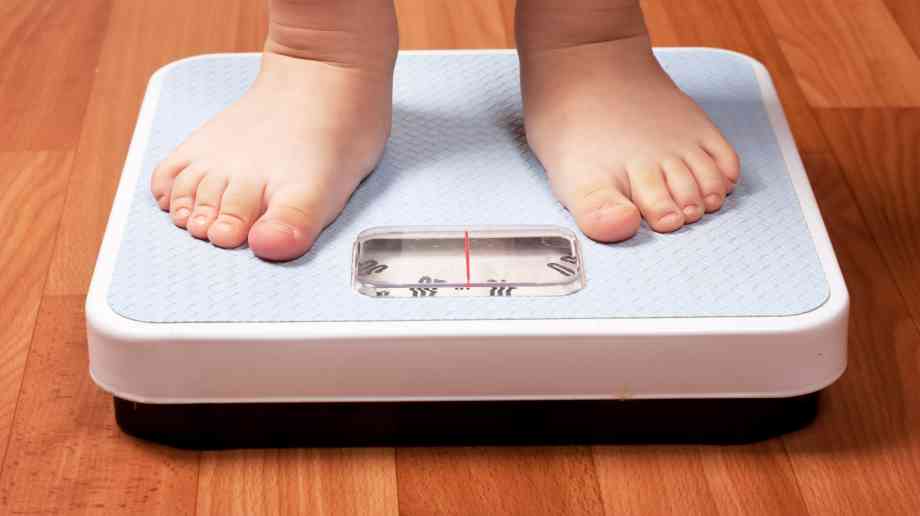
Setting out his long-term vision for the NHS, Health Secretary Matt Hancock is urging the public to take greater responsibility for their own health to tackle the rising toll of obesity and cancer.
In an International Association of National Public Health Institutes speech on 5 November, Hancock called for a big increase in people making healthier lifestyle choices and taking greater responsibility for their own health, such as reducing the amount of alcohol and junk food they consume. Currently, the Department for Health and Social Care reports that £97 billion of public money is spent on treating disease and only £8 billion preventing it across the UK - which ‘doesn't stack up’.
Speaking to the BBC Radio 4 Today programme, Hancock said there needs to be a shift in culture and in the way resources are balanced, but stressed that the strategy is about promoting prevention and not about penalising people.
Hancock said: "Two of the biggest health successes of the 20th century had prevention at their core: vaccination and cutting smoking. In the UK, both were achieved by careful and considered government intervention.
"In the UK, we are spending £97 billion of public money on treating disease and only £8 billion preventing it across the UK. You don’t have to be an economist to see those numbers don’t stack up. A focus on prevention and predictive medicine isn’t just the difference between life and death, it’s the difference between spending the last 20 years of your life fit and active, or in constant pain from a chronic condition. So our focus must shift from treating single acute illnesses to promoting the health of the whole individual. That requires more resources for prevention."
Duncan Selbie, chief executive, Public Health England said: "Investing in prevention is the smartest thing we can do. We need to move from a system that detects and treats illnesses to one that also predicts and prevents poor health through promoting health in all policies and puts people back in charge of their own health."
The plan also includes targets to halve childhood obesity by 2030, reduce loneliness through increased ‘social prescribing’, diagnosing 75 per cent of cancers at stages one and two by 2028, and to use technology to predict patients' illnesses and target advice at sections of the population.
Jonathan Ashworth, the Shadow Health Secretary, criticised Hancock’s remarks: “From telling people to stand up in meetings to now lecturing people about their habits, while cutting £1 billion from health services, isn’t a serious plan for improving the health of the nation.”
Latest News

16/02/2024 - 12:56
Hammersmith and Fulham Council has created a new alliance intended to clean dirty air and improve residents' health.

16/02/2024 - 10:44
Two million more GP appointments a month are being delivered for patients compared to the same month before the pandemic as part of the NHS primary care access recovery plan according to new NHS data.

15/02/2024 - 10:26
The Welsh Government has provided innovation funding of £380,000 to support two projects utilising technology in domiciliary care.

15/02/2024 - 10:13
The new Scottish health secretary has met with frontline staff at Queen Elizabeth University Hospital in Glasgow.

14/02/2024 - 10:27
The North East London NHS Foundation Trust (NELFT) has appointed three new Executive Directors to the Trust Board.
Product Features

UK Building Regulations highlight toxic gas and smoke from layers of paint built up over multiple redecorations as a major cause of permanent ill health or death in a building fire.
Their concern rose with discovery the flame retardant paints most widely used paint along escape routes have been ones which to this day counter-productively use emission of heavy toxic gas to smother flames which rapidly spread along walls if layers of paint delaminate in a fire.
Supplier Profiles

Northwich’s Victoria Infirmary (VIN) Community Diagnostic Centre (CDC) has enabled more patients

Adveco, the commercial hot water specialist, announces the launch of live metering of domestic ho
Latest Features

Sarah Greenslade, public affairs and communications officer at the British Parking Association looks at some of the problems and innovations in healthcare parking

It’s easy to assume that the comms team is there to handle press enquiries and the occasional social media storm – but the reality is that strategic communications can make a measurable impact across the entire organisation, from operational to financial, when done properly


