
This story was first published in digitalhealth.net

Major trauma centres saved 1,600 additional patients
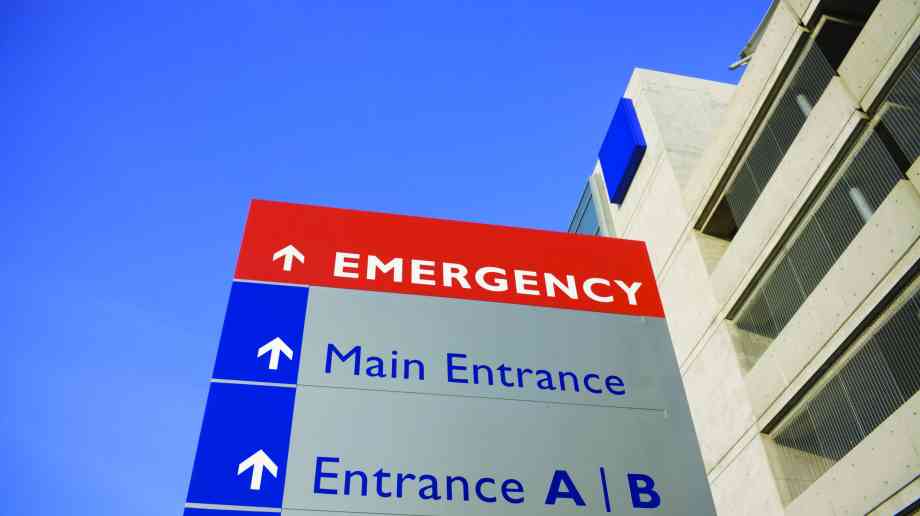
New findings have revealed that the NHS in England has saved an extra 1,600 patients with severe injuries since major trauma centres were established in 2012.
Major trauma centres has helped patients spend fewer days in hospital and has improved quality of life after receiving critical care, saving the lives of patients who who have suffered some of the most severe and complicated injuries, such as knife, gun and acid attack crimes. The study reveals that the better use of major trauma centres can be ‘associated with significant improvements in care and outcomes for patients with severe injury’.
Research into the outcomes of more than 110,000 patients admitted to 35 hospitals between 2008 and 2017 has shown an increase of nearly a fifth in the odds of survival from severe injury in the five years from 2012. The creation of major trauma centres sees patients sent direct to newly designated major trauma centres, bypassing smaller, local hospitals that offered less specialist care.
Chris Moran, NHE England’s National Clinical Director for Trauma Care, said: “This study shows that changes to trauma care, designed by clinicians, are saving hundreds of lives every year. Patients suffering severe injury need to get to the right specialist centre staffed by experts, not simply the nearest hospital. Thanks to the skills of NHS staff, we are confident that we will continue to see further increases in survival rates for this group of patients.
“Major Trauma Centres deal with the victims of stabbings and acid attacks as well as car and motorbike accidents. We have all seen the terrible increase in knife crime in our cities, especially in London, and there is no doubt that the new trauma system has saved many lives as these patients receive blood transfusion and specialist surgery much quicker than before. The whole system, from prehospital care through to recovery and rehabilitation, has improved.”
Latest News

16/02/2024 - 12:56
Hammersmith and Fulham Council has created a new alliance intended to clean dirty air and improve residents' health.

16/02/2024 - 10:44
Two million more GP appointments a month are being delivered for patients compared to the same month before the pandemic as part of the NHS primary care access recovery plan according to new NHS data.

15/02/2024 - 10:26
The Welsh Government has provided innovation funding of £380,000 to support two projects utilising technology in domiciliary care.

15/02/2024 - 10:13
The new Scottish health secretary has met with frontline staff at Queen Elizabeth University Hospital in Glasgow.

14/02/2024 - 10:27
The North East London NHS Foundation Trust (NELFT) has appointed three new Executive Directors to the Trust Board.
Product Features

UK Building Regulations highlight toxic gas and smoke from layers of paint built up over multiple redecorations as a major cause of permanent ill health or death in a building fire.
Their concern rose with discovery the flame retardant paints most widely used paint along escape routes have been ones which to this day counter-productively use emission of heavy toxic gas to smother flames which rapidly spread along walls if layers of paint delaminate in a fire.
Supplier Profiles

Northwich’s Victoria Infirmary (VIN) Community Diagnostic Centre (CDC) has enabled more patients

Adveco, the commercial hot water specialist, announces the launch of live metering of domestic ho
Latest Features

Sarah Greenslade, public affairs and communications officer at the British Parking Association looks at some of the problems and innovations in healthcare parking

It’s easy to assume that the comms team is there to handle press enquiries and the occasional social media storm – but the reality is that strategic communications can make a measurable impact across the entire organisation, from operational to financial, when done properly


