
This story was first published in digitalhealth.net

Plans announced to cut long hospital stays
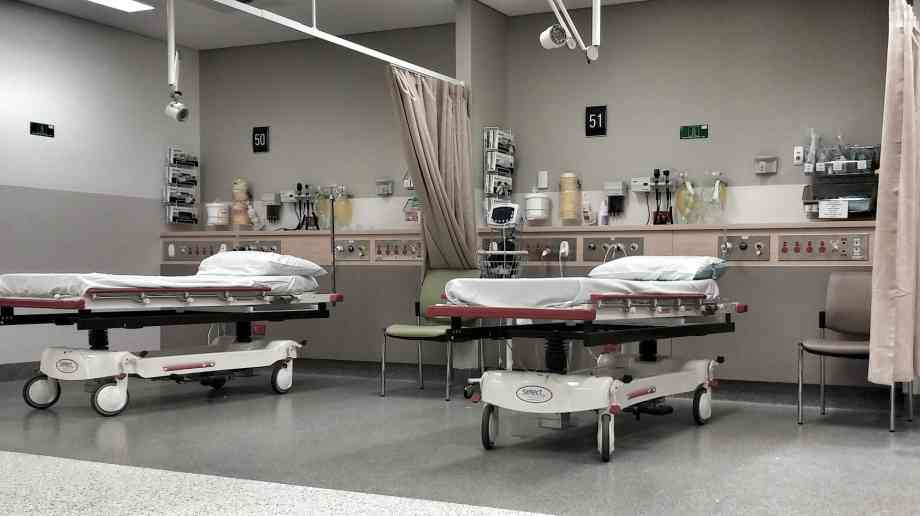
NHS England and NHS Improvement are to set out plans to improve patient care and free up thousands of hospital beds to ease pressures next winter.
Presenting at Confed18 at Manchester Central, Simon Stevens and Ian Dalton, the chief executives of NHS England and NHS Improvement respectively, will argue that the NHS, working alongside local authorities, aims to reduce the number of long staying patients by around a quarter, freeing up more than 4,000 beds in time for the winter surge.
Figures show that almost 350,000 patients spend more than three weeks in a hospital each year, taking up approximately a fifth of hospital beds. With a large portion of those patients being elderly, it becomes very important to ensure that they do not remain in a hospital bed when they could be allowed home as a stay of more than 10 days leads to 10 years’ muscle ageing for people most at risk.
The number of delayed transfers of care (DTOCs) fell to 4,880 in January, 1,780 fewer than the baseline month of February 2017, thanks to a drive by the NHS and local councils. Moving forward, hospital stays above the best practice guidelines will be treated as a safety issue, with the time patients have spent on wards closely monitored through the Patient Administration System. As currently encouraged, trusts will be supported by extended GP access and a focus on avoiding unnecessary hospital admissions including more support for care home staff to prevent residents being admitted.
Dalton is expected to say that his organisation and NHS England are determined to tackle the issue of bed availability before the onset of next winter, with a message going out to the system including chief executives of acute trusts, CCGs and the chairs of health and well-being boards, calling for them to act now.
He said: “No one wants patients to stay in hospital longer than they have to, or for the health of patients to deteriorate in the very place that is supposed to be making them better. But this is happening all too often and we have to work together to change it. Every day in hospital is a precious day away from normal life. By setting this national ambition and working with trusts and local systems to deliver it, we will help more patients to recover safely and as quickly as possible, while ensuring that hospital resources are used for those who need them most.”
Rachel Power, chief executive of the Patients Association, said: “Meeting the needs of older people who have complex combinations of long term conditions is a key challenge facing the NHS. Prolonged stays in hospital are often not the right solution for these patients. Improved support to ensure patients can stay as well as possible in their own homes, whether immediately after an admission or as a way to prevent one, will be vital in ensuring the NHS meets the changing needs of our population.”
Latest News

16/02/2024 - 12:56
Hammersmith and Fulham Council has created a new alliance intended to clean dirty air and improve residents' health.

16/02/2024 - 10:44
Two million more GP appointments a month are being delivered for patients compared to the same month before the pandemic as part of the NHS primary care access recovery plan according to new NHS data.

15/02/2024 - 10:26
The Welsh Government has provided innovation funding of £380,000 to support two projects utilising technology in domiciliary care.

15/02/2024 - 10:13
The new Scottish health secretary has met with frontline staff at Queen Elizabeth University Hospital in Glasgow.

14/02/2024 - 10:27
The North East London NHS Foundation Trust (NELFT) has appointed three new Executive Directors to the Trust Board.
Product Features

UK Building Regulations highlight toxic gas and smoke from layers of paint built up over multiple redecorations as a major cause of permanent ill health or death in a building fire.
Their concern rose with discovery the flame retardant paints most widely used paint along escape routes have been ones which to this day counter-productively use emission of heavy toxic gas to smother flames which rapidly spread along walls if layers of paint delaminate in a fire.
Supplier Profiles

Northwich’s Victoria Infirmary (VIN) Community Diagnostic Centre (CDC) has enabled more patients

Adveco, the commercial hot water specialist, announces the launch of live metering of domestic ho
Latest Features

Sarah Greenslade, public affairs and communications officer at the British Parking Association looks at some of the problems and innovations in healthcare parking

It’s easy to assume that the comms team is there to handle press enquiries and the occasional social media storm – but the reality is that strategic communications can make a measurable impact across the entire organisation, from operational to financial, when done properly


