
This story was first published in digitalhealth.net

Elderly falls set to cause 1,000 admissions a day
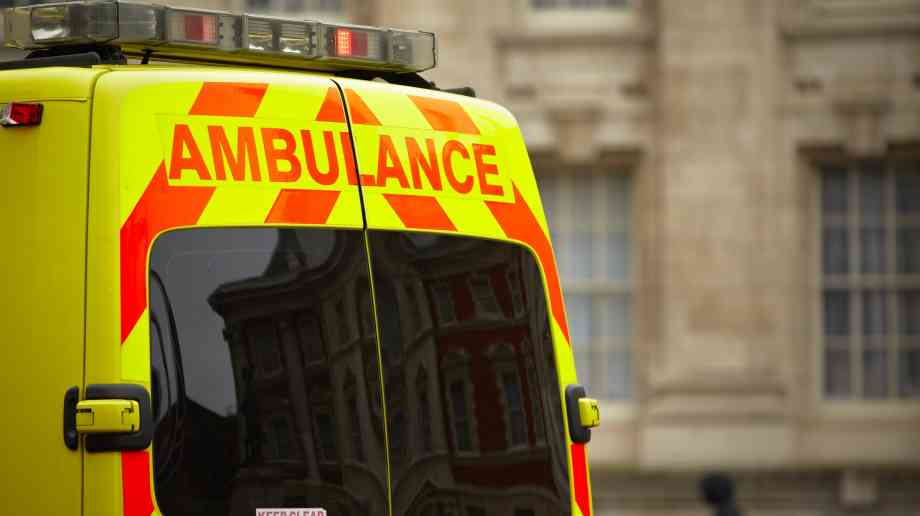
The Local Government Association (LGA) has warned that the number of hospital admissions due to an older person falling is set to rise to nearly 1,000 a day by the end of the decade.
There were 316,669 hospital admissions of people aged 65 and over due to falling in England last year, amounting to two thirds of all fall-related admissions. Falls have a significant impact on older people, possible leading to considerable distress, pain, injury, loss of confidence, loss of independence and even death.
Prompting renewed calls by council leaders for more funding for adult social care to invest in cost-effective prevention work to reduce falls, the research shows that falls prevention programmes run by councils reduce the number of falls requiring hospital admission by 29 per cent and produce a financial return on investment of more than £3 for every £1 spent.
The association says that extra council funding would help the NHS by reducing the need for people to be admitted to hospital after a fall and cut costs to the public purse, with current costs believed to be draining over £2 billion a year of NHS budgets. The LGA is therefore urging for the government to put adult social care on equal footing to the NHS.
Izzi Seccombe, chairman of the LGA’s Community Wellbeing Board, said: “Council-run fall prevention schemes, such as home assessment and modification programmes, have shown to significantly reduce the number of falls requiring hospital admission and to offer a good return on investment, saving money from the public purse. But some councils are being forced to stop such fall prevention services due to funding reductions, which has seen spending on prevention work from adult social care budgets reduced by more than £60 million in the past year.
“To reduce demand and cost pressures on the NHS, the government needs to switch its focus from reducing delayed discharges from hospital to preventing admissions in the first place and put adult social care and the NHS on an equal footing. Older people may be at a greater risk of falling but in many cases falls can be prevented by making a few simple changes either to a person’s lifestyle or in the home. This could be anything from having regular eye tests, checking a rug is fitted correctly, replacing a pair of worn out slippers or doing moderate exercise. Councils want to raise awareness of these straightforward prevention tips to help reduce trips and falls, including while at home, and the unwanted consequence of ending up in a hospital bed.”
Latest News

16/02/2024 - 12:56
Hammersmith and Fulham Council has created a new alliance intended to clean dirty air and improve residents' health.

16/02/2024 - 10:44
Two million more GP appointments a month are being delivered for patients compared to the same month before the pandemic as part of the NHS primary care access recovery plan according to new NHS data.

15/02/2024 - 10:26
The Welsh Government has provided innovation funding of £380,000 to support two projects utilising technology in domiciliary care.

15/02/2024 - 10:13
The new Scottish health secretary has met with frontline staff at Queen Elizabeth University Hospital in Glasgow.

14/02/2024 - 10:27
The North East London NHS Foundation Trust (NELFT) has appointed three new Executive Directors to the Trust Board.
Product Features

UK Building Regulations highlight toxic gas and smoke from layers of paint built up over multiple redecorations as a major cause of permanent ill health or death in a building fire.
Their concern rose with discovery the flame retardant paints most widely used paint along escape routes have been ones which to this day counter-productively use emission of heavy toxic gas to smother flames which rapidly spread along walls if layers of paint delaminate in a fire.
Supplier Profiles

Northwich’s Victoria Infirmary (VIN) Community Diagnostic Centre (CDC) has enabled more patients

Adveco, the commercial hot water specialist, announces the launch of live metering of domestic ho
Latest Features

Sarah Greenslade, public affairs and communications officer at the British Parking Association looks at some of the problems and innovations in healthcare parking

It’s easy to assume that the comms team is there to handle press enquiries and the occasional social media storm – but the reality is that strategic communications can make a measurable impact across the entire organisation, from operational to financial, when done properly


