
This story was first published in digitalhealth.net

Medicine errors contribute to 22,000 deaths a year
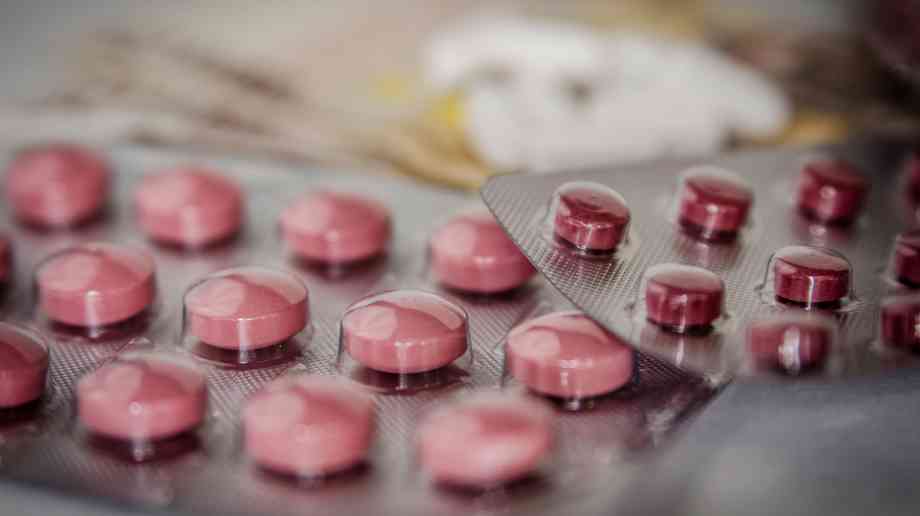
Health Secretary Jeremy Hunt has said that up to 237 million drug errors in England are causing appalling levels of harm and deaths.
Data suggests that GPs, pharmacists, hospitals and care homes may be making 237 million errors a year, which equates to one mistake made for every five drugs handed out. It is believed that the drug errors could be a factor in more than 22,000 deaths a year.
Although the researchers state the the figures are based on estimates and previous research, they argue that the data is robust enough to warrant action.
With 1.15 billion drug prescriptions made each year, a fifth of the mistakes related to hospital care, including errors made by doctors administering anaesthetic before surgery, as well as wring medications being given and delays in medication being administered.
Hunt said he was concerned by the findings, which he stressed was a global problem, not solely confined to the UK, and emphasised that the study was not about blaming NHS staff, but about creating a culture where checks were in place to stop errors happening.
Hunt is expected to outline steps the NHS is taking to reduce mistakes in a speech at a patient safety conference in London on 23 February. Among the steps, it is likely that funding will be given to accessing prescribing data and NHS electronic prescribing systems.
He will say: “My mission has always been to make the NHS one of the safest healthcare systems - and although we do well in international comparisons, this new study shows medication error in the NHS and globally is a far bigger problem than generally recognised, causing appalling levels of harm and death that are totally preventable.
"We are taking a number of steps today, but part of the change needs also to be cultural: moving from a blame culture to a learning culture so doctors and nurses are supported to be open about mistakes rather than cover them up for fear of losing their job."
Latest News

16/02/2024 - 12:56
Hammersmith and Fulham Council has created a new alliance intended to clean dirty air and improve residents' health.

16/02/2024 - 10:44
Two million more GP appointments a month are being delivered for patients compared to the same month before the pandemic as part of the NHS primary care access recovery plan according to new NHS data.

15/02/2024 - 10:26
The Welsh Government has provided innovation funding of £380,000 to support two projects utilising technology in domiciliary care.

15/02/2024 - 10:13
The new Scottish health secretary has met with frontline staff at Queen Elizabeth University Hospital in Glasgow.

14/02/2024 - 10:27
The North East London NHS Foundation Trust (NELFT) has appointed three new Executive Directors to the Trust Board.
Product Features

UK Building Regulations highlight toxic gas and smoke from layers of paint built up over multiple redecorations as a major cause of permanent ill health or death in a building fire.
Their concern rose with discovery the flame retardant paints most widely used paint along escape routes have been ones which to this day counter-productively use emission of heavy toxic gas to smother flames which rapidly spread along walls if layers of paint delaminate in a fire.
Supplier Profiles

Northwich’s Victoria Infirmary (VIN) Community Diagnostic Centre (CDC) has enabled more patients

Adveco, the commercial hot water specialist, announces the launch of live metering of domestic ho
Latest Features

Sarah Greenslade, public affairs and communications officer at the British Parking Association looks at some of the problems and innovations in healthcare parking

It’s easy to assume that the comms team is there to handle press enquiries and the occasional social media storm – but the reality is that strategic communications can make a measurable impact across the entire organisation, from operational to financial, when done properly


