
This story was first published in digitalhealth.net

New ways to diagnose and manage asthma
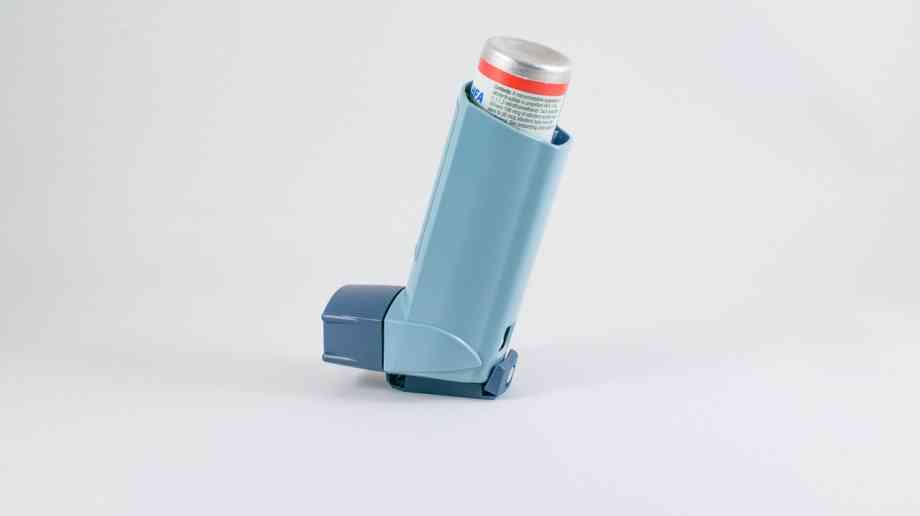
New tests to help diagnose asthma and a change in how medicines are offered can help people take control of their asthma, the National Institute for Health and Care Excellence (NICE) says.
NICE is recommending objective tests, which include spirometry and FeNO, to help confirm a diagnosis of asthma. This can achieve more accurate diagnosis and therefore more effective treatment, it says.
Spirometry tests assess how well someone’s lungs work by measuring how much air they inhale and exhale, and how quickly.
FeNO tests measure the levels of nitric oxide in the breath. Increased levels are thought to be related to lung inflammation and asthma.
NICE is also recommending people with poorly controlled asthma be offered a tablet to be taken with a ‘brown or orange’ preventer inhaler before other, more expensive treatments are considered.
When preventer inhalers are no longer helping people gain good control of their symptoms, they are currently offered a long acting beta-agonist (LABA) with a low-dose inhaled corticosteroid; the treatment found in a preventer inhaler. This is often given in a combination inhaler.
However, NICE now recommends they take a leukotriene receptor antagonist (LTRA) tablet before treatment with LABA.
This change in the way treatment is offered could save the NHS an estimated £2 million a year for every 10,000 people who take up the new recommendation, NICE says.
Mark Baker, director of the centre for guidelines at NICE, said: “We are recommending objective testing with spirometry and FeNO for most people with suspected asthma; a significant enhancement to current practice, which will take the NHS some time to implement, with additional infrastructure and training needed in primary care.
“New models of care, being developed locally, could offer the opportunity to implement these recommendations. This may involve establishing diagnostic hubs to make testing efficient and affordable. They will be able to draw on the positive experience of NICE’s primary care pilot sites, which trialled the use of FeNO.
“The investment and training required to implement the new guidance will take time. In the meantime, primary care services should implement what they can of the new guidelines, using currently available approaches to diagnosis until the infrastructure for objective testing is in place.”
Andrew Menzies-Gow, consultant in respiratory medicine at Royal Brompton and Harefield NHS Foundation Trust, said: “Our recommendations will help tackle inappropriate diagnosis and ensure that if a diagnosis is given, that the person is monitored to ensure their symptoms still indicate asthma.”
John Alexander, consultant in paediatric intensive care at University Hospitals of North Midlands NHS Trust, said: “This guideline sets out the most effective options to treat asthma to make patients feel better and potentially save the NHS money.”
Latest News

16/02/2024 - 12:56
Hammersmith and Fulham Council has created a new alliance intended to clean dirty air and improve residents' health.

16/02/2024 - 10:44
Two million more GP appointments a month are being delivered for patients compared to the same month before the pandemic as part of the NHS primary care access recovery plan according to new NHS data.

15/02/2024 - 10:26
The Welsh Government has provided innovation funding of £380,000 to support two projects utilising technology in domiciliary care.

15/02/2024 - 10:13
The new Scottish health secretary has met with frontline staff at Queen Elizabeth University Hospital in Glasgow.

14/02/2024 - 10:27
The North East London NHS Foundation Trust (NELFT) has appointed three new Executive Directors to the Trust Board.
Product Features

UK Building Regulations highlight toxic gas and smoke from layers of paint built up over multiple redecorations as a major cause of permanent ill health or death in a building fire.
Their concern rose with discovery the flame retardant paints most widely used paint along escape routes have been ones which to this day counter-productively use emission of heavy toxic gas to smother flames which rapidly spread along walls if layers of paint delaminate in a fire.
Supplier Profiles

Northwich’s Victoria Infirmary (VIN) Community Diagnostic Centre (CDC) has enabled more patients

Adveco, the commercial hot water specialist, announces the launch of live metering of domestic ho
Latest Features

Sarah Greenslade, public affairs and communications officer at the British Parking Association looks at some of the problems and innovations in healthcare parking

It’s easy to assume that the comms team is there to handle press enquiries and the occasional social media storm – but the reality is that strategic communications can make a measurable impact across the entire organisation, from operational to financial, when done properly


