
This story was first published in digitalhealth.net

Hospitals forced to postpone non-urgent operations
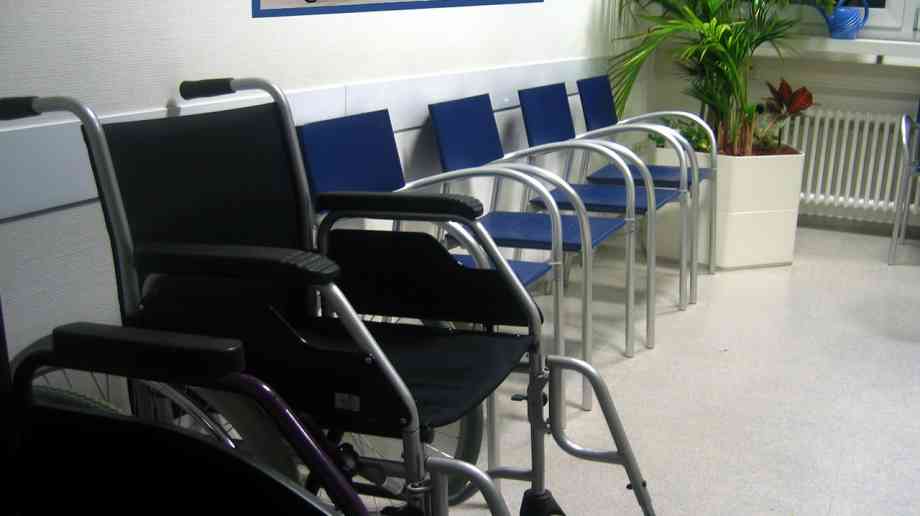
The NHS has received criticism for forcing patients who need an operation to wait at least three months before they can undergo surgery in order to save money.
NHS clinical commissioning groups (CCGs) in Lincolnshire are under fire after introducing minimum waiting times for non-urgent surgery. They adopted the policy as a result of the NHS-wide cash squeeze and because they say some patients’ conditions should clear up while they wait.
Trafford CCG in greater Manchester has confirmed that it is also considering implementing a similar policy, according to the Health Service Journal (HSJ).
Cambridge and Peterborough CCG was the first to bring in minimum waits for non-urgent surgery, but it abandoned the policy two months after it was brought in.
Norman Lamb, former health minister, said: “It undermines the core principles of the NHS: that everyone should get compassionate treatment, as early as possible, when they need it. Those who can afford it will go private to skip the wait, while others will be left waiting in pain and discomfort. This is simply impossible to justify.”
Sue Hill, the Royal College of Surgeon’s vice-president, said: “We strongly urge all these CCGs to reconsider this decision. Patients in Trafford currently wait an average of 7.2 weeks for any type of treatment. If this policy were to go ahead average waiting times in Trafford would double and it is difficult to see how these targets could be achieved.”
Jon Ashworth, shadow health secretary, said: “I’m demanding Jeremy Hunt intervenes, enforces the NHS constitution and bans these minimum waiting times. Secondly, in the budget Theresa May must provide the NHS with the money it needs to end this postcode lottery of care that has developed under the Tories.”
An NHS England spokesperson said: “CCGs face difficult choices about what can be afforded within the funds parliament has made available, recognising the priority being accorded to emergency care, mental health, cancer and GP services. Last month 1.3 million patients started consultant-led elective treatment and the vast majority of patients wait less than 18 weeks.”
Latest News

16/02/2024 - 12:56
Hammersmith and Fulham Council has created a new alliance intended to clean dirty air and improve residents' health.

16/02/2024 - 10:44
Two million more GP appointments a month are being delivered for patients compared to the same month before the pandemic as part of the NHS primary care access recovery plan according to new NHS data.

15/02/2024 - 10:26
The Welsh Government has provided innovation funding of £380,000 to support two projects utilising technology in domiciliary care.

15/02/2024 - 10:13
The new Scottish health secretary has met with frontline staff at Queen Elizabeth University Hospital in Glasgow.

14/02/2024 - 10:27
The North East London NHS Foundation Trust (NELFT) has appointed three new Executive Directors to the Trust Board.
Product Features

UK Building Regulations highlight toxic gas and smoke from layers of paint built up over multiple redecorations as a major cause of permanent ill health or death in a building fire.
Their concern rose with discovery the flame retardant paints most widely used paint along escape routes have been ones which to this day counter-productively use emission of heavy toxic gas to smother flames which rapidly spread along walls if layers of paint delaminate in a fire.
Supplier Profiles

Northwich’s Victoria Infirmary (VIN) Community Diagnostic Centre (CDC) has enabled more patients

Adveco, the commercial hot water specialist, announces the launch of live metering of domestic ho
Latest Features

Sarah Greenslade, public affairs and communications officer at the British Parking Association looks at some of the problems and innovations in healthcare parking

It’s easy to assume that the comms team is there to handle press enquiries and the occasional social media storm – but the reality is that strategic communications can make a measurable impact across the entire organisation, from operational to financial, when done properly


