
This story was first published in digitalhealth.net

Robotic system could help restore sight for people with AMD
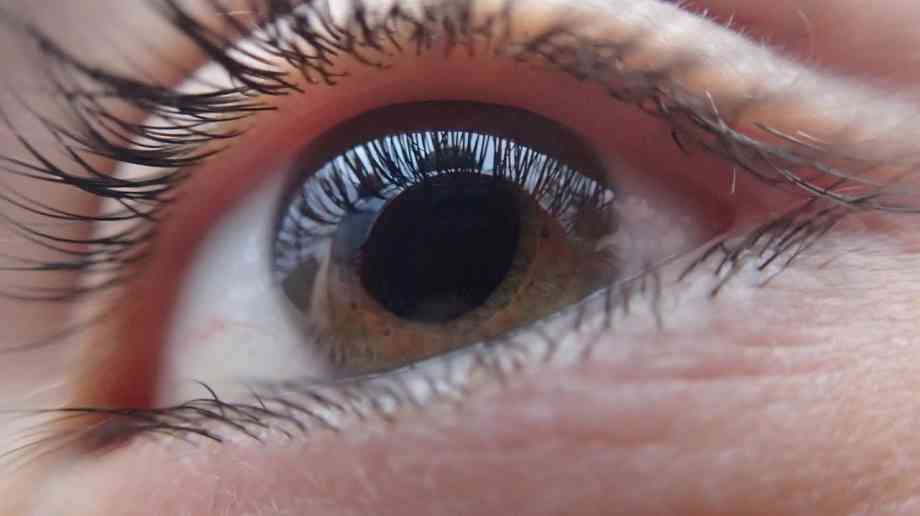
A team of researchers at Moorfields Eye Hospital and the UCL Institute of Ophthalmology have been awarded a £1.1 million grant from the National Institute for Health Research (NIHR) to develop a robotic system to help replace damaged retinal cells in people with age-related macular degeneration (AMD).
New advances in regenerative and cellular therapies have meant that it might soon be possible to restore some sight for people with AMD.
Researchers have been able to grow new retinal cells that could be transplanted to replace the damaged cells in the eye. Delivery of these cells is currently performed using a handheld needle. The manipulation required for this is technically challenging and the success of the treatment would depend on the skills of the surgeon.
The funding grant awarded by the Invention for Innovation programme will be used to develop an innovative robotic system to overcome the current limitations of cell delivery.
The robot will steady motion and allow for accurate manipulation of delicate retinal tissue. The robotic technology will be coupled with advanced imaging techniques, like optical coherence tomography and angiography, that will give the surgeon better visualisation of the subretinal layers and vessels in the eye to deliver the new retinal cells with precision.
The collaborative project will have scientific, engineering and clinical input from Moorfields Eye Hospital, University College London (UCL) Institute of Engineering, UCL Institute of Ophthalmology and Wellcome EPSRC Centre for Interventional and Surgical Science (WEISS).
Lyndon da Cruz, consultant ophthalmic surgeon at Moorfields Eye Hospital and clinical lead for the project, said: “Significant progress in cellular therapy has meant that we are one step closer to restoring sight and improving AMD patients’ quality of life. However, this huge clinical advancement cannot be realised without the engineering input needed to enable effective cellular delivery. Interdisciplinary collaboration is essential to this research’s success.”
Christos Bergeles, University College London Faculty of Engineering Science, said: “This project is a truly multidisciplinary effort. It is a pioneering new treatment and, with millions of AMD sufferers worldwide, it has a potentially vast patient impact. Advancing successful retinal cellular delivery to become a clinical reality would be a major milestone in the capabilities of ocular research.”
Latest News

16/02/2024 - 12:56
Hammersmith and Fulham Council has created a new alliance intended to clean dirty air and improve residents' health.

16/02/2024 - 10:44
Two million more GP appointments a month are being delivered for patients compared to the same month before the pandemic as part of the NHS primary care access recovery plan according to new NHS data.

15/02/2024 - 10:26
The Welsh Government has provided innovation funding of £380,000 to support two projects utilising technology in domiciliary care.

15/02/2024 - 10:13
The new Scottish health secretary has met with frontline staff at Queen Elizabeth University Hospital in Glasgow.

14/02/2024 - 10:27
The North East London NHS Foundation Trust (NELFT) has appointed three new Executive Directors to the Trust Board.
Product Features

UK Building Regulations highlight toxic gas and smoke from layers of paint built up over multiple redecorations as a major cause of permanent ill health or death in a building fire.
Their concern rose with discovery the flame retardant paints most widely used paint along escape routes have been ones which to this day counter-productively use emission of heavy toxic gas to smother flames which rapidly spread along walls if layers of paint delaminate in a fire.
Supplier Profiles

Northwich’s Victoria Infirmary (VIN) Community Diagnostic Centre (CDC) has enabled more patients

Adveco, the commercial hot water specialist, announces the launch of live metering of domestic ho
Latest Features

Sarah Greenslade, public affairs and communications officer at the British Parking Association looks at some of the problems and innovations in healthcare parking

It’s easy to assume that the comms team is there to handle press enquiries and the occasional social media storm – but the reality is that strategic communications can make a measurable impact across the entire organisation, from operational to financial, when done properly


