
This story was first published in digitalhealth.net

South Tyneside’s diabetes service making notable improvements
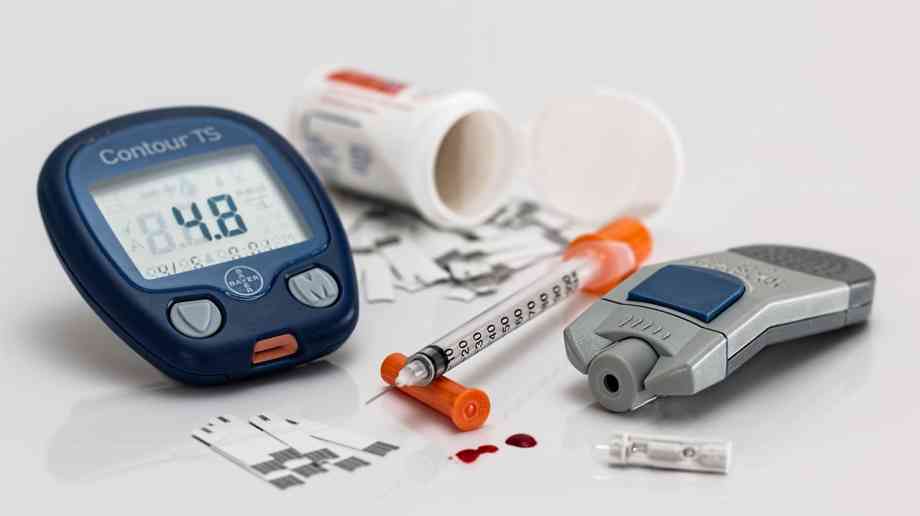
The children and young people’s diabetes service at South Tyneside District Hospital has made notable improvements in controlling the condition.
Two years ago, the children’s diabetes team, who care for 60 children aged 0 to 17 with Type 1 diabetes, introduced families to technology which they can use to upload data at home that can be monitored by the hospital.
Now South Tyneside NHS Foundation Trust is one of the top in the North East and Cumbria, and in the top 10 per cent nationally, based on the established blood test that shows how well the condition is being controlled.
The technology has enabled families to send readings, such as blood glucose level, amount of carbohydrates eaten and amount of insulin administered, to the hospital as often as they like. Previously, the children had to be reviewed in a clinic at the hospital every two to three months.
If needed, consultant paediatricians make suggestions for self-management if they feel changes are necessary, which can prevent the need to visit the hospital. They are also able to ip potentially serious problems in the bud.
Gabriel Okugbeni, consultant paediatrician with a special interest in diabetes, said: “We are delighted with the results we have been able to achieve through the home uploading of data, which gives reassurance to parents and carers who can feel overwhelmed and anxious. Our success is due to engagement with the families, more than 90 per cent of whom have embraced the new technology, plus the hard work of the team and investment of our specialist nurses’ time in the project.
“Living with diabetes can be difficult and children and young people grow and change so quickly that it is particularly important to closely monitor their condition. Better management of the condition means a massive improvement in quality of life for our patients and their families and, by getting it right now, they are laying the foundations for long-term control and a better life.”
Melanie Johnson, South Tyneside NHS Foundation Trust’s director of nursing and patient experience, said: “Our children’s diabetes team have invested a lot of time and effort in this project and their commitment has paid dividends, which is fantastic news for our young patients and their families and carers. It has given them
reassurance and also, very importantly, the confidence to make changes themselves in between clinics, which puts them more in control.”
Latest News

16/02/2024 - 12:56
Hammersmith and Fulham Council has created a new alliance intended to clean dirty air and improve residents' health.

16/02/2024 - 10:44
Two million more GP appointments a month are being delivered for patients compared to the same month before the pandemic as part of the NHS primary care access recovery plan according to new NHS data.

15/02/2024 - 10:26
The Welsh Government has provided innovation funding of £380,000 to support two projects utilising technology in domiciliary care.

15/02/2024 - 10:13
The new Scottish health secretary has met with frontline staff at Queen Elizabeth University Hospital in Glasgow.

14/02/2024 - 10:27
The North East London NHS Foundation Trust (NELFT) has appointed three new Executive Directors to the Trust Board.
Product Features

UK Building Regulations highlight toxic gas and smoke from layers of paint built up over multiple redecorations as a major cause of permanent ill health or death in a building fire.
Their concern rose with discovery the flame retardant paints most widely used paint along escape routes have been ones which to this day counter-productively use emission of heavy toxic gas to smother flames which rapidly spread along walls if layers of paint delaminate in a fire.
Supplier Profiles

Northwich’s Victoria Infirmary (VIN) Community Diagnostic Centre (CDC) has enabled more patients

Adveco, the commercial hot water specialist, announces the launch of live metering of domestic ho
Latest Features

Sarah Greenslade, public affairs and communications officer at the British Parking Association looks at some of the problems and innovations in healthcare parking

It’s easy to assume that the comms team is there to handle press enquiries and the occasional social media storm – but the reality is that strategic communications can make a measurable impact across the entire organisation, from operational to financial, when done properly


