
This story was first published in digitalhealth.net

NHS England bans supersized chocolate bars in hospitals
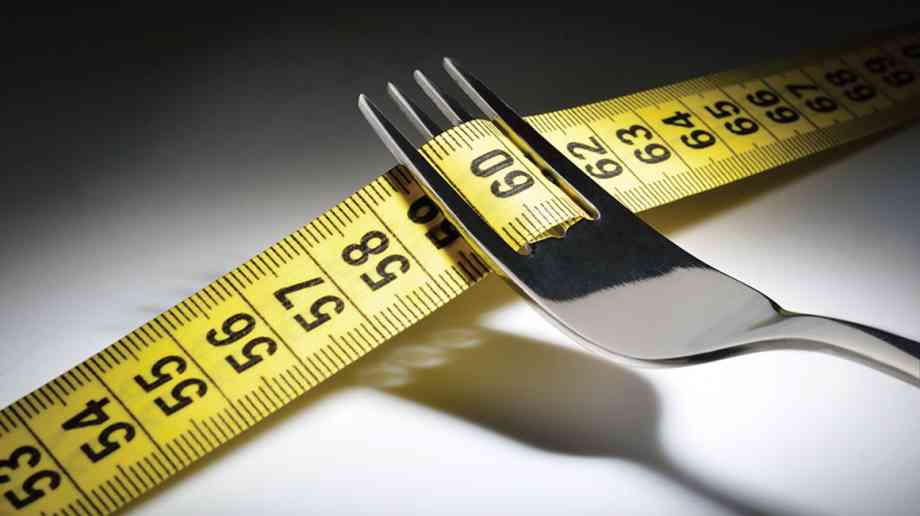
Supersized chocolate bars and sweet ‘grab bags’ are to be banned from hospital shops, canteens and vending machines, says NHS England.
In an attempt to drive up the fight against obesity, Simon Stevens, the NHS chief executive, has said that sweets and chocolates sold in hospitals should be 250 calories or under. He also warned that obesity will bankrupt the health service and said he is determined to do what he can on hospital premises.
The NHS has already banned price promotions and advertising of unhealthy foods on its premises. Leading retailers including WH Smith and Greggs have also agreed that no more than 10 per cent of their soft drink sales would be high in sugar.
NHS staff are also being targeted as part of the move to tackle unhealthy eating, as nearly 700,000 of 1.3 million NHS staff are estimated to be overweight or obese.
Simon Stevens, the NHS chief executive, said: “The NHS is now stepping up action to combat the ‘supersized’ snack culture which is causing an epidemic of obesity, preventable diabetes, tooth decay, heart disease and cancer.
“In place of calorie-laden, sugary snacks we want to make healthier food an easy option for hospital staff, patients and visitors.”
Dr Alison Tedstone, chief nutritionist at Public Health England, said: “Hospitals have an important role in addressing obesity – not just treating those suffering the consequences, but helping to prevent it in the first place. Any plans to offer healthier food are a positive step towards tackling the country’s obesity problem.”
Helen Dickens, Diabetes UK, said: “It’s great to see the NHS taking steps to help make it easy as possible for us all to make healthier choices – particularly for those in hospital – and in doing so reduce our risk of type 2 diabetes, a serious health condition that can lead to blindness, amputation and stroke. We look forward to seeing more information on how it will work in practice.
“However this is just one piece of the puzzle when it comes to tackling obesity. We need to go much further, which is why we are also calling for the government to toughen restrictions on junk food marketing to children, end price promotions on unhealthy foods and introduce mandatory front of pack food labelling. We need to act now for the sake of our nation’s health.”
Latest News

16/02/2024 - 12:56
Hammersmith and Fulham Council has created a new alliance intended to clean dirty air and improve residents' health.

16/02/2024 - 10:44
Two million more GP appointments a month are being delivered for patients compared to the same month before the pandemic as part of the NHS primary care access recovery plan according to new NHS data.

15/02/2024 - 10:26
The Welsh Government has provided innovation funding of £380,000 to support two projects utilising technology in domiciliary care.

15/02/2024 - 10:13
The new Scottish health secretary has met with frontline staff at Queen Elizabeth University Hospital in Glasgow.

14/02/2024 - 10:27
The North East London NHS Foundation Trust (NELFT) has appointed three new Executive Directors to the Trust Board.
Product Features

UK Building Regulations highlight toxic gas and smoke from layers of paint built up over multiple redecorations as a major cause of permanent ill health or death in a building fire.
Their concern rose with discovery the flame retardant paints most widely used paint along escape routes have been ones which to this day counter-productively use emission of heavy toxic gas to smother flames which rapidly spread along walls if layers of paint delaminate in a fire.
Supplier Profiles

Northwich’s Victoria Infirmary (VIN) Community Diagnostic Centre (CDC) has enabled more patients

Adveco, the commercial hot water specialist, announces the launch of live metering of domestic ho
Latest Features

Sarah Greenslade, public affairs and communications officer at the British Parking Association looks at some of the problems and innovations in healthcare parking

It’s easy to assume that the comms team is there to handle press enquiries and the occasional social media storm – but the reality is that strategic communications can make a measurable impact across the entire organisation, from operational to financial, when done properly


