
This story was first published in digitalhealth.net

Mental health bed occupancy levels rise
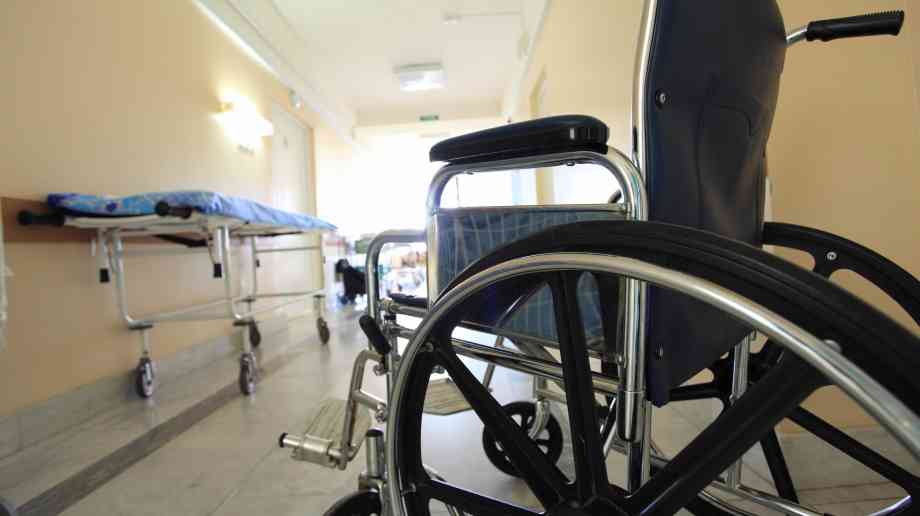
A new briefing has argued that the number of acute inpatient beds for adults with mental health problems has fallen, despite no change in people admitted.
Adult and older adult mental health services 2012-2016 analysed data collected by the NHS Benchmarking Network since 2012/13 up to the publication of the Five Year Forward View for Mental Health, and found that bed occupancy levels have risen to an average of 94 per cent.
The Centre for Mental Health and the NHS Benchmarking Network has warned that while psychiatric acute inpatient beds for adults fell by 15 per cent between 2012 and 2016, and staffing levels fell by 20 per cent, the number of people admitted and the time they stayed in hospital did not change.
During the same time period, the number of people on community team caseloads reduced by six per cent, staffing levels fell by four per cent and contacts reduced by seven per cent. In contrast, access to psychological therapies rose rapidly, reaching some 900,000 people a year by 2015/16.
The paper also reported that the proportion of people admitted under the Mental Health Act rose from 25 per cent in 2012/13 to 35 per cent in 2015/16, and that at least half of inpatients are detained under the Act at some point during their hospital stay.
Sarah Hughes, chief executive of the Centre for Mental Health, said: “Mental health services have been under significant financial pressures in the last five years. While reductions in bed numbers continue a long-term shift from hospital to community care, any reductions in community services are a major cause for concern. It is simply not sustainable to keep cutting community services at the same time as reducing bed numbers.
“The Five Year Forward View for Mental Health in England sets out a clear ambition to improve community mental health services and increase investment in mental health care across the spectrum. This report shows that this is a vital mission. We need to see investment in evidence-based community mental health services to provide people with the best available support where and when they need it. And we need to ensure that high quality primary care support is offered to people who do not need specialist help from community mental health services.”
Julian Emms, chair of the NHSBN Mental Health Reference Group, added: “Mental Health providers have worked hard to implement appropriate services in recent years. This includes redesigning services to rely less on beds and support more people in the community. Since 1999’s National Service Framework there has been a significant movement away from beds with many hundreds of thousands of people now supported by specialist community teams.
“Almost a million people are also now able to access psychological therapy services in primary care. Despite these achievements many providers are struggling to keep up with ongoing increases in demand for both community and hospital care.”
Latest News

16/02/2024 - 12:56
Hammersmith and Fulham Council has created a new alliance intended to clean dirty air and improve residents' health.

16/02/2024 - 10:44
Two million more GP appointments a month are being delivered for patients compared to the same month before the pandemic as part of the NHS primary care access recovery plan according to new NHS data.

15/02/2024 - 10:26
The Welsh Government has provided innovation funding of £380,000 to support two projects utilising technology in domiciliary care.

15/02/2024 - 10:13
The new Scottish health secretary has met with frontline staff at Queen Elizabeth University Hospital in Glasgow.

14/02/2024 - 10:27
The North East London NHS Foundation Trust (NELFT) has appointed three new Executive Directors to the Trust Board.
Product Features

UK Building Regulations highlight toxic gas and smoke from layers of paint built up over multiple redecorations as a major cause of permanent ill health or death in a building fire.
Their concern rose with discovery the flame retardant paints most widely used paint along escape routes have been ones which to this day counter-productively use emission of heavy toxic gas to smother flames which rapidly spread along walls if layers of paint delaminate in a fire.
Supplier Profiles

Northwich’s Victoria Infirmary (VIN) Community Diagnostic Centre (CDC) has enabled more patients

Adveco, the commercial hot water specialist, announces the launch of live metering of domestic ho
Latest Features

Sarah Greenslade, public affairs and communications officer at the British Parking Association looks at some of the problems and innovations in healthcare parking

It’s easy to assume that the comms team is there to handle press enquiries and the occasional social media storm – but the reality is that strategic communications can make a measurable impact across the entire organisation, from operational to financial, when done properly


