
This story was first published in digitalhealth.net

Simon Stevens to unveil new plans to transform patient care
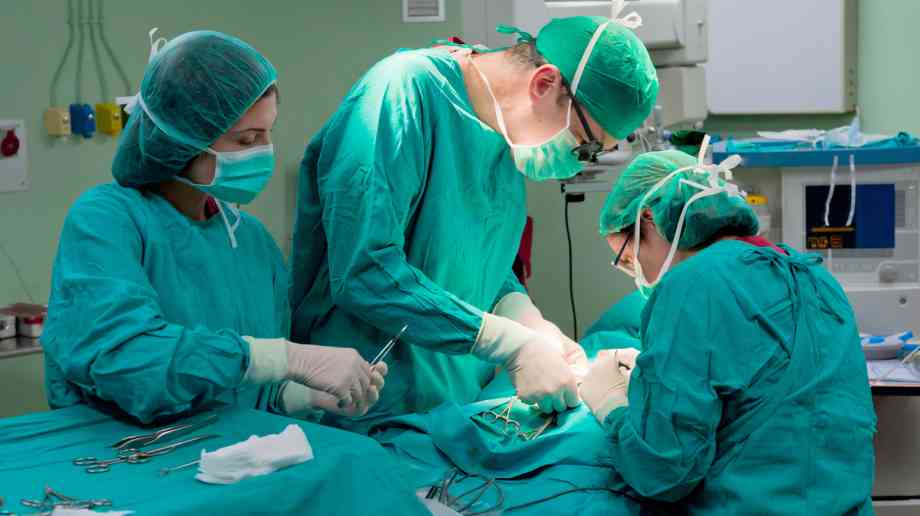
The head of NHS England is to set out new plans for the NHS to free up funds for the latest world class treatments by slashing hundreds of millions from the nation’s drugs bill and announce that new treatments will be routinely available for the first time.
Speaking at NHS Expo conference in Manchester, Stevens will reveal innovations including: revolutionary new treatment for Hepatitis C set to save NHS England are than £50 million as well as saving thousands more lives; new measures to slash up to another £300 million from the nation’s medicines bill; new treatment to restore sight using patients’ own teeth; routine commissioning of the latest technology to help deaf children hear; and an expansion of the test-bed programme testing the treatments and care models of the future.
He will also reveal that investment in new oral treatments that can cure Hepatitis C more quickly and with fewer side effects has already led to a 10 per cent reduction in the number of deaths and an unprecedented reduction in liver transplants for Hepatitis C of around 50 per cent.
Health and care leaders will also hear how new rules on the use of biosimilar medicines - cheaper but equally clinically effective to original ‘biological’ treatments - giving doctors a choice of new treatments for thousands of patients with serious and painful conditions but at a much lower cost. The plans to accelerate and widen such treatments will save hundreds of millions of pounds from the nation’s medicine bill, estimated to be up to £300 million a year by 2021.
Stevens will additionally reveal a new medical technique called auditory brainstem implants which can help restore the sensation of hearing to some children born with profound deafness, and another innovative procedure known as osteo-odonto-keratoprosthesis (OOKP) or ‘tooth-in-eye’ surgery, which restores vision to blind patients by using part of the patient’s own tooth root to support an optical cylinder.
Simon Stevens, NHS England chief executive, said: “The NHS has a proud history of innovation. As our 70th anniversary approaches it is important that we do not just celebrate these often unsung achievements but also unleash the full potential of innovation in treatment and commissioning to ensure we deliver high quality healthcare for future generations.”
Latest News

16/02/2024 - 12:56
Hammersmith and Fulham Council has created a new alliance intended to clean dirty air and improve residents' health.

16/02/2024 - 10:44
Two million more GP appointments a month are being delivered for patients compared to the same month before the pandemic as part of the NHS primary care access recovery plan according to new NHS data.

15/02/2024 - 10:26
The Welsh Government has provided innovation funding of £380,000 to support two projects utilising technology in domiciliary care.

15/02/2024 - 10:13
The new Scottish health secretary has met with frontline staff at Queen Elizabeth University Hospital in Glasgow.

14/02/2024 - 10:27
The North East London NHS Foundation Trust (NELFT) has appointed three new Executive Directors to the Trust Board.
Product Features

UK Building Regulations highlight toxic gas and smoke from layers of paint built up over multiple redecorations as a major cause of permanent ill health or death in a building fire.
Their concern rose with discovery the flame retardant paints most widely used paint along escape routes have been ones which to this day counter-productively use emission of heavy toxic gas to smother flames which rapidly spread along walls if layers of paint delaminate in a fire.
Supplier Profiles

Northwich’s Victoria Infirmary (VIN) Community Diagnostic Centre (CDC) has enabled more patients

Adveco, the commercial hot water specialist, announces the launch of live metering of domestic ho
Latest Features

Sarah Greenslade, public affairs and communications officer at the British Parking Association looks at some of the problems and innovations in healthcare parking

It’s easy to assume that the comms team is there to handle press enquiries and the occasional social media storm – but the reality is that strategic communications can make a measurable impact across the entire organisation, from operational to financial, when done properly


