
This story was first published in digitalhealth.net

UK needs to perform thousands more obesity operations, say surgeons
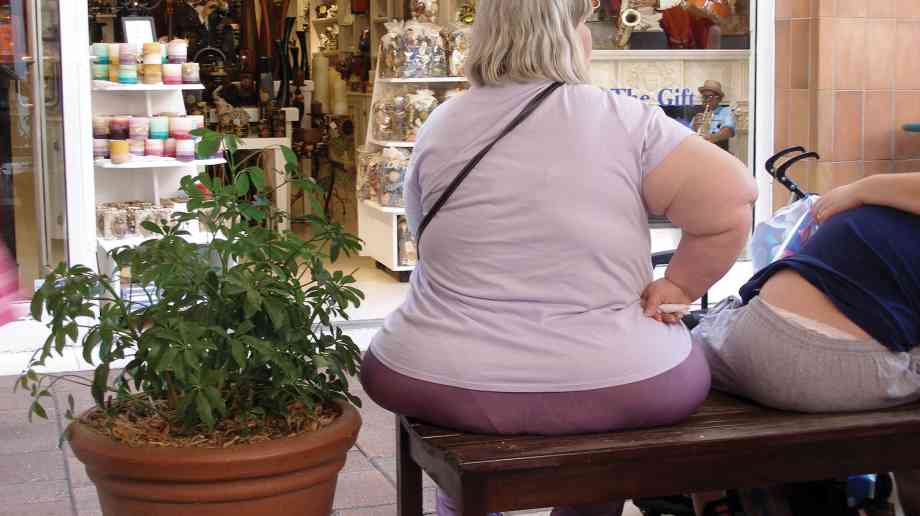
Thousands more obesity operations need to be carried out in the UK, say surgeons, who warn that the country is ‘lagging far behind’ European and major economics in undertaking vital surgery which leads to successful diabetes resolution among sick patients.
Reducing stomach size prevents people eating more than small amounts at a time, leading to dramatic weight loss, and can reverse type 2 diabetes which carries the risk of amputations, blindness, heart attacks and strokes.
France carries out 37,000 obesity operations a year, compared with just 5,000 in the UK even though the countries have a similar population. Two countries with smaller populations, Belgium and Sweden, perform 12,000 and 7,000 respectively, while Italy performs 8,000.
It is a safe and cost-effective therapy for disease, according to bariatric surgeons speaking at a conference in London, yet the NHS is dragging its feet.
The National Institute for Health and Care Excellence says the NHS should offer surgery to tackle the diabetes epidemic and there is international agreement among professional organisations that it works.
Marco Adamo, a consultant surgeon at University College hospital and the chair of the National Bariatric Surgery Register, said: “Severe and complex obesity is a serious, lifelong condition associated with many major medical conditions, the cost of which threatens to bankrupt the NHS.”
Francesco Rubino, the chair of metabolic and bariatric surgery at King’s College London, used to think it was about cost. He said: “But more recently I started to grow concerned that this may actually not be the real problem. The cost of bariatric surgery is very often offset by the health benefits, especially in diabetes, within a couple of years. Bariatric surgery is one of the most cost-effective interventions we have in modern medicine.
“Looking at the science of obesity today, it is inconsistent with the evidence to conceive of obesity as a lifestyle choice. It is not true that all patients who are obese are basically overeating.
“I would also submit that even if it were all about overeating – and I don’t believe it is the case – we don’t forgive obese patients for their poor lifestyle choices although we forgive those, such as smoking, that lead to cancer and transplant surgery.
“If we start taking the approach that disease associated with lifestyle choice should not be treated by surgical intervention, where are we going to draw the line? Pretty much every disease would have to be associated with lifestyle. I don’t think we should be here to judge.”
Latest News

16/02/2024 - 12:56
Hammersmith and Fulham Council has created a new alliance intended to clean dirty air and improve residents' health.

16/02/2024 - 10:44
Two million more GP appointments a month are being delivered for patients compared to the same month before the pandemic as part of the NHS primary care access recovery plan according to new NHS data.

15/02/2024 - 10:26
The Welsh Government has provided innovation funding of £380,000 to support two projects utilising technology in domiciliary care.

15/02/2024 - 10:13
The new Scottish health secretary has met with frontline staff at Queen Elizabeth University Hospital in Glasgow.

14/02/2024 - 10:27
The North East London NHS Foundation Trust (NELFT) has appointed three new Executive Directors to the Trust Board.
Product Features

UK Building Regulations highlight toxic gas and smoke from layers of paint built up over multiple redecorations as a major cause of permanent ill health or death in a building fire.
Their concern rose with discovery the flame retardant paints most widely used paint along escape routes have been ones which to this day counter-productively use emission of heavy toxic gas to smother flames which rapidly spread along walls if layers of paint delaminate in a fire.
Supplier Profiles

Northwich’s Victoria Infirmary (VIN) Community Diagnostic Centre (CDC) has enabled more patients

Adveco, the commercial hot water specialist, announces the launch of live metering of domestic ho
Latest Features

Sarah Greenslade, public affairs and communications officer at the British Parking Association looks at some of the problems and innovations in healthcare parking

It’s easy to assume that the comms team is there to handle press enquiries and the occasional social media storm – but the reality is that strategic communications can make a measurable impact across the entire organisation, from operational to financial, when done properly


