
This story was first published in digitalhealth.net

Anti-inflammatory drug cuts heart attack risk, study shows
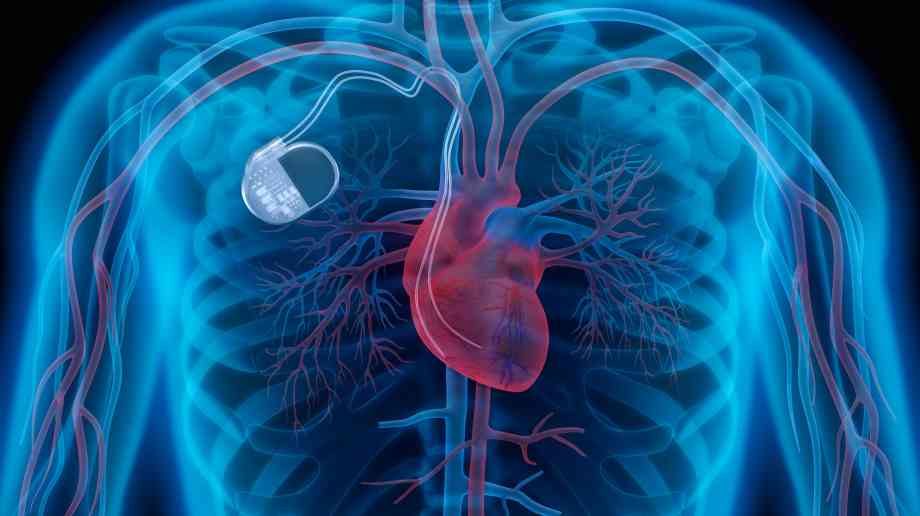
A study of 10,000 patients has suggested that anti-inflammatory drugs could cut the risk of heart attacks and strokes.
A trial of the drug canakinumab could represent the biggest breakthrough in treatment since the advent of statins to lower cholesterol, the study’s authors say.
The study reported a 15 per cent reduction in the risk of a repeat heart attack among parents, but others questioned he drug’s efficacy, side-effects and cost.
Recipients of the drug had an increased risk of potentially fatal infections. However, the British Heart Foundation (BHF) said the trial could still help save lives.
In the study, 10,000 patients who had previously had a heart attack were treated with the anti-inflammatory drug once every three months. The trial monitored the individuals for up to four years.
It found what researchers said were reductions in risk ‘above and beyond’ those seen in patients who only took statins - but it also found a ‘significantly higher incidence’ of potentially fatal infection and sepsis among those treated with the drug.
Canakinumab was initially developed by Novartis, a pharmaceutical firm which paid for the trial, to treat rheumatoid arthritis.
Paul Ridker, of Brigham and Women’s Hospital, said: “For the first time, we've been able to definitively show that lowering inflammation independent of cholesterol reduces cardiovascular risk. This has far-reaching implications.
“In my lifetime, I've gotten to see three broad eras of preventative cardiology.
"In the first, we recognised the importance of diet, exercise and smoking cessation. In the second, we saw the tremendous value of lipid-lowering drugs such as statins. Now, we're cracking the door open on the third era. This is very exciting.”
Dr Robert Harrington, chair of the Stanford University School of Medicine, sounded a note of caution in an editorial in the New England Journal of Medicine. He said the effects of anti-inflammatories could be ‘modest’, and the absolute clinical benefit of canakinumab ‘cannot justify’ its routine use ‘until we understand more about the efficacy and safety trade-offs, and unless a price restructuring and formal cost-effectiveness evaluation supports it’.
However, Jeremy Person, associate medical director at the BHF, said: “The findings suggest that existing anti-inflammatory drugs, such as canakinumab, could be given along with cholesterol-lowering drugs to treat survivors and further reduce their risk of another heart attack."
Latest News

16/02/2024 - 12:56
Hammersmith and Fulham Council has created a new alliance intended to clean dirty air and improve residents' health.

16/02/2024 - 10:44
Two million more GP appointments a month are being delivered for patients compared to the same month before the pandemic as part of the NHS primary care access recovery plan according to new NHS data.

15/02/2024 - 10:26
The Welsh Government has provided innovation funding of £380,000 to support two projects utilising technology in domiciliary care.

15/02/2024 - 10:13
The new Scottish health secretary has met with frontline staff at Queen Elizabeth University Hospital in Glasgow.

14/02/2024 - 10:27
The North East London NHS Foundation Trust (NELFT) has appointed three new Executive Directors to the Trust Board.
Product Features

UK Building Regulations highlight toxic gas and smoke from layers of paint built up over multiple redecorations as a major cause of permanent ill health or death in a building fire.
Their concern rose with discovery the flame retardant paints most widely used paint along escape routes have been ones which to this day counter-productively use emission of heavy toxic gas to smother flames which rapidly spread along walls if layers of paint delaminate in a fire.
Supplier Profiles

Northwich’s Victoria Infirmary (VIN) Community Diagnostic Centre (CDC) has enabled more patients

Adveco, the commercial hot water specialist, announces the launch of live metering of domestic ho
Latest Features

Sarah Greenslade, public affairs and communications officer at the British Parking Association looks at some of the problems and innovations in healthcare parking

It’s easy to assume that the comms team is there to handle press enquiries and the occasional social media storm – but the reality is that strategic communications can make a measurable impact across the entire organisation, from operational to financial, when done properly


