
This story was first published in digitalhealth.net

Hospital Caterers Association welcomes food and hydration provision scores in PLACE report
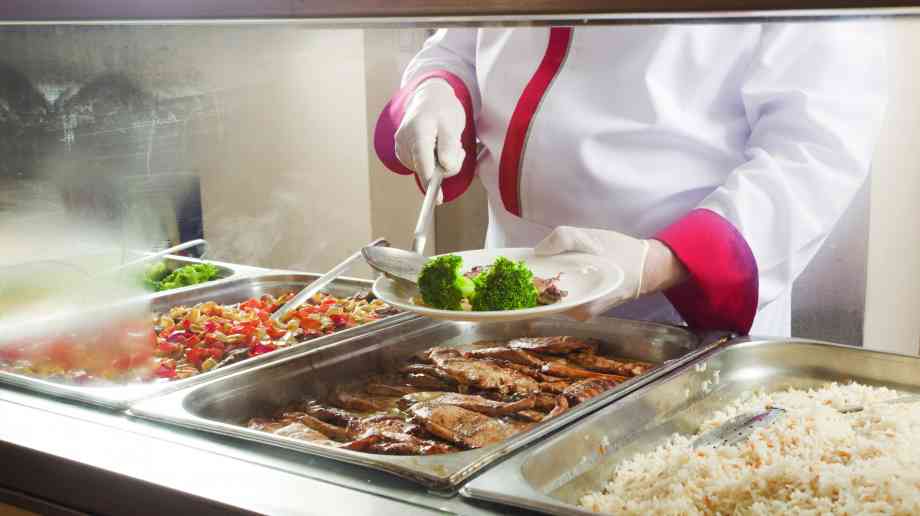
The Hospital Caterers Association (HCA) has welcomed news that food and hydration provision scores were among the highest increases in the latest Patient-Led Assessments of the Care Environment (PLACE) publication.
Compared to last year, food and hydration provision assessments carried out across healthcare sites in England between March and June 2017 increased by 1.4 per cent on average, at national level.
The national average score for food overall was 89.7 per cent based on both organisational and ward assessment scorecards, which are used to gather data.
A total of 2,045 food assessments were undertaken in the period at sites where meals are provided by the hospital.
The food and hydration part of the assessment includes a range of organisational questions relating to the catering service, such as choice of food, 24-hour availability, meal times and access to menus. It also includes an assessment of food at ward level focusing on the taste, texture and serving temperature.
The PLACE assessments are an annual appraisal of the non-clinical aspects of the NHS and independent or private healthcare settings, identified as important by patients and clinics. They are undertaken by teams made up of staff and members of the public, known as patient assessors.
Stewart McKenzie, chair of the HCA and site facilities manager at NHS Greater Glasgow and Clyde, said: “It’s great to see that scores for the food and hydration domain of the PLACE assessments have increased since last year.
“The data in the 2017 report, shows positive improvement in not only the overall food and hydration scores but also in the organisation questions and food at ward level assessments.
“The national average score for food overall was 89.7 per cent, while, the national average score for food organisation was 88.8 per cent, 1.8 percentage points higher than 2016, and for ward food it was 90.2 per cent, an increase of 1.2 percentage points compared to last year.
“Patient-led assessments are vital as ultimately the work being carried out by departments such as catering and cleaning teams in hospitals has a direct impact on a patient’s experience.
“This data allows us to see where catering teams are performing well and where there may be areas for improvement to ensure patients are always receiving the highest quality of care.”
Latest News

16/02/2024 - 12:56
Hammersmith and Fulham Council has created a new alliance intended to clean dirty air and improve residents' health.

16/02/2024 - 10:44
Two million more GP appointments a month are being delivered for patients compared to the same month before the pandemic as part of the NHS primary care access recovery plan according to new NHS data.

15/02/2024 - 10:26
The Welsh Government has provided innovation funding of £380,000 to support two projects utilising technology in domiciliary care.

15/02/2024 - 10:13
The new Scottish health secretary has met with frontline staff at Queen Elizabeth University Hospital in Glasgow.

14/02/2024 - 10:27
The North East London NHS Foundation Trust (NELFT) has appointed three new Executive Directors to the Trust Board.
Product Features

UK Building Regulations highlight toxic gas and smoke from layers of paint built up over multiple redecorations as a major cause of permanent ill health or death in a building fire.
Their concern rose with discovery the flame retardant paints most widely used paint along escape routes have been ones which to this day counter-productively use emission of heavy toxic gas to smother flames which rapidly spread along walls if layers of paint delaminate in a fire.
Supplier Profiles

Northwich’s Victoria Infirmary (VIN) Community Diagnostic Centre (CDC) has enabled more patients

Adveco, the commercial hot water specialist, announces the launch of live metering of domestic ho
Latest Features

Sarah Greenslade, public affairs and communications officer at the British Parking Association looks at some of the problems and innovations in healthcare parking

It’s easy to assume that the comms team is there to handle press enquiries and the occasional social media storm – but the reality is that strategic communications can make a measurable impact across the entire organisation, from operational to financial, when done properly


