
This story was first published in digitalhealth.net

Worcestershire Acute Hospitals NHS Trust must make urgent improvements
The Care Quality Commission (CQC) has told Worcestershire Acute Hospitals NHS Trust that it must make urgent improvements to the quality of healthcare following an inspection in April.
The trust had been in special measures since December 2015.
Inspectors visited Worcestershire Royal Hospital, Alexandra Hospital in Redditch and Kidderminster Hospital and Treatment Centre unannounced in April.
They looked at areas of previous concern following inspections in November and December 2016, including the emergency department, medical care, survey, maternity and gynaecology, children and young people and the minor injuries unit.
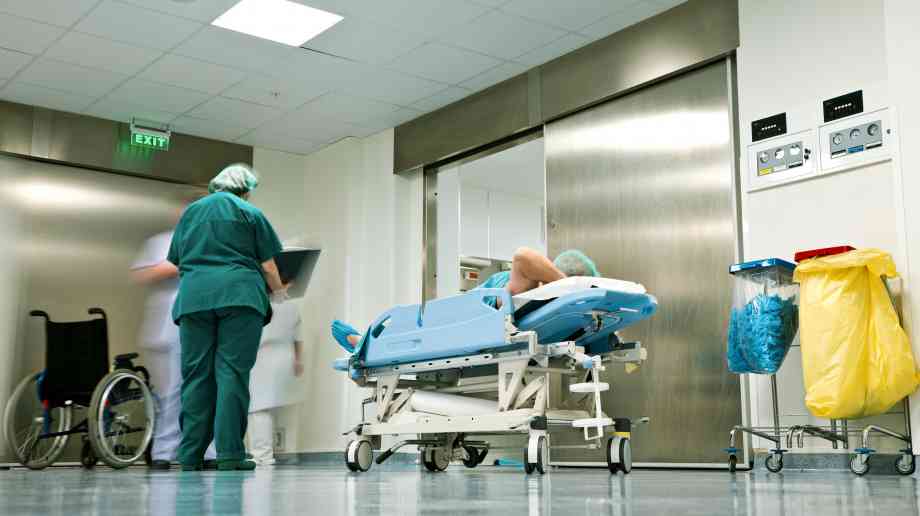
Inspectors found there had been no improvement in performance; staff caring for patients in the corridors in the emergency department had become a standard practice and patient’s privacy, dignity and effective care remained compromised. The number of patients in the emergency department waiting between four and 12 hours to be admitted or discharged remained consistently higher than the national average, and some risk assessment records in medical care wards at Worcestershire Royal Hospital were not routinely completed, including elderly patient risk assessments and sepsis bundle assessments.
Inspectors also found that although staff were hard-working, passionate and caring, many were frustrated that they were not able to effect change due to poor communication between ward, divisional and executive levels.
Following the inspection, CQC issued a ‘warning notice’ requiring the trust to take action to deal with concerns.
The trust is currently ‘inadequate’. It is rated ‘inadequate’ for being safe, responsive and well-led, ‘requires improvement’ for being effective and ‘good’ for being caring.
The CQC has told the trust it must make improvements in a number of areas, including: governance systems allowing oversight at board level of the potential risk to patients; patients in the emergency department receiving medication prescribed for them at the correct time and interval; and all patients’ conditions being monitored effectively to enable any deterioration to be quickly identified and care and treatment is provided in a timely manner.
Ted Baker, Chief Inspector of Hospitals, said: “Over the last two years Worcestershire Acute Hospitals NHS Trust has been subject to rigorous and frequent regulatory action.
“I remain concerned that the trust has not taken sufficient action to address the requirements of our previous inspections, and patients using services continue to experience a poor level of care.
“In our recent inspections we have found there was little effective ownership of the need to establish systems to assess quality of services or to recognise, assess and mitigate risks to patient safety.
“The new executive team are recently established and are aware they face significant challenges. It is important that they drive the necessary improvements to the safety and quality of patient care, with continued support from NHS Improvement and others. It is also clear that some of the issues the trust is struggling with can only be addressed in partnership with other agencies who have a responsibility for health services in the area.
“The trust has agreed to provide information demonstrating how specific improvements will be made. We intend to monitor this information closely and will check on these areas when we re-inspect in the near future.”
Latest News

16/02/2024 - 12:56
Hammersmith and Fulham Council has created a new alliance intended to clean dirty air and improve residents' health.

16/02/2024 - 10:44
Two million more GP appointments a month are being delivered for patients compared to the same month before the pandemic as part of the NHS primary care access recovery plan according to new NHS data.

15/02/2024 - 10:26
The Welsh Government has provided innovation funding of £380,000 to support two projects utilising technology in domiciliary care.

15/02/2024 - 10:13
The new Scottish health secretary has met with frontline staff at Queen Elizabeth University Hospital in Glasgow.

14/02/2024 - 10:27
The North East London NHS Foundation Trust (NELFT) has appointed three new Executive Directors to the Trust Board.
Product Features

UK Building Regulations highlight toxic gas and smoke from layers of paint built up over multiple redecorations as a major cause of permanent ill health or death in a building fire.
Their concern rose with discovery the flame retardant paints most widely used paint along escape routes have been ones which to this day counter-productively use emission of heavy toxic gas to smother flames which rapidly spread along walls if layers of paint delaminate in a fire.
Supplier Profiles

Northwich’s Victoria Infirmary (VIN) Community Diagnostic Centre (CDC) has enabled more patients

Adveco, the commercial hot water specialist, announces the launch of live metering of domestic ho
Latest Features

Sarah Greenslade, public affairs and communications officer at the British Parking Association looks at some of the problems and innovations in healthcare parking

It’s easy to assume that the comms team is there to handle press enquiries and the occasional social media storm – but the reality is that strategic communications can make a measurable impact across the entire organisation, from operational to financial, when done properly


