
This story was first published in digitalhealth.net

Training scheme for innovative doctors opened up to healthcare scientists and dentists
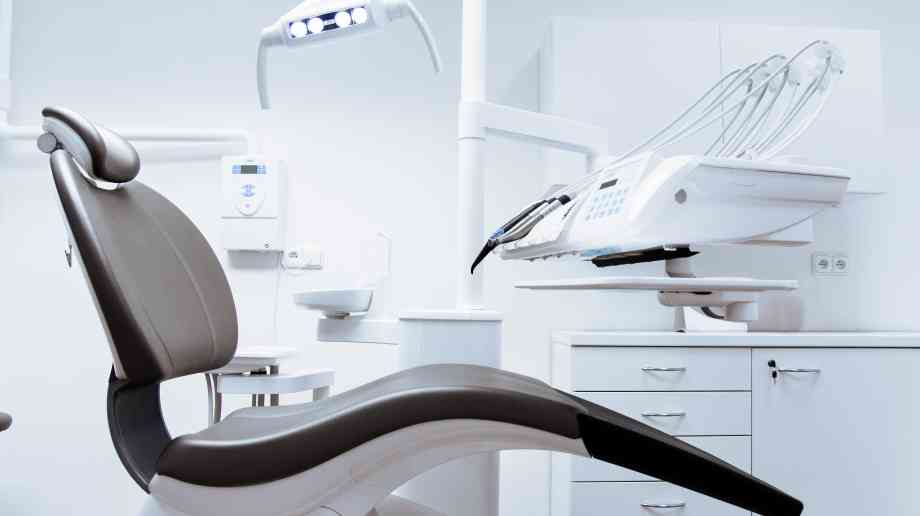
An entrepreneur scheme for clinicians whose innovative ideas could lead to big patient benefits has been extended to healthcare scientists and dentists.
Over the last year 103 junior doctors have developed their ideas and business skills through the Clinical Entrepreneur programme. Applications are now extending to healthcare scientists and dentists.
The programme offers a range of support and education, including mentoring by leading medical technology innovators, to give potential entrepreneurs the business skills and industry knowledge they need to make their ideas come real.
Tony Young, NHS England’s National Clinical Lead for Innovative, said: “When NHS England and Health Education England designed this programme back in 2016, there was no avenue for entrepreneurial doctors to get the training they needed without leaving the NHS for the private sector. The Clinical Entrepreneur programme is reversing this brain drain for physicians and surgeons, but we have great innovative people throughout the NHS, and need to offer the same kinds of opportunities across all our clinical professions. Opening the programme to healthcare scientists and dentists is the first step of this rollout.”
Sue Hill, Chief Scientific Officer, said: “We are delighted to open up this fantastic opportunity to our Healthcare Scientists. This prestigious programme focuses on applying biology in healthcare applications, and is the next step to enabling scientists within the NHS to partner with and learn from leaders in industry, research centres and academia in order to translate discovery into clinical use for medical innovation within the NHS. Scientific innovation and entrepreneurialism is crucial in establishing new partnerships which ensure we have a sustainable and efficient NHS, now and into the future.”
Sara Hurley, Chief Dental Officer, added: “Innovative new programmes make a big difference. Oral health, especially among children, is a really important indicator of a person’s general health now and in the future, so the technologies supporting good dental care in the home will continue to have a huge role to play as they keep getting more sophisticated. In addition, safe and effective dental treatment and surgery is a priority for everyone, and we know that it is the people who are carrying out these treatments every day who are often the most able to identify better solutions. The Clinical Entrepreneur training programme will help us harness and develop those innovative people and, ultimately, to improve the services we deliver.”
Latest News

16/02/2024 - 12:56
Hammersmith and Fulham Council has created a new alliance intended to clean dirty air and improve residents' health.

16/02/2024 - 10:44
Two million more GP appointments a month are being delivered for patients compared to the same month before the pandemic as part of the NHS primary care access recovery plan according to new NHS data.

15/02/2024 - 10:26
The Welsh Government has provided innovation funding of £380,000 to support two projects utilising technology in domiciliary care.

15/02/2024 - 10:13
The new Scottish health secretary has met with frontline staff at Queen Elizabeth University Hospital in Glasgow.

14/02/2024 - 10:27
The North East London NHS Foundation Trust (NELFT) has appointed three new Executive Directors to the Trust Board.
Product Features

UK Building Regulations highlight toxic gas and smoke from layers of paint built up over multiple redecorations as a major cause of permanent ill health or death in a building fire.
Their concern rose with discovery the flame retardant paints most widely used paint along escape routes have been ones which to this day counter-productively use emission of heavy toxic gas to smother flames which rapidly spread along walls if layers of paint delaminate in a fire.
Supplier Profiles

Northwich’s Victoria Infirmary (VIN) Community Diagnostic Centre (CDC) has enabled more patients

Adveco, the commercial hot water specialist, announces the launch of live metering of domestic ho
Latest Features

Sarah Greenslade, public affairs and communications officer at the British Parking Association looks at some of the problems and innovations in healthcare parking

It’s easy to assume that the comms team is there to handle press enquiries and the occasional social media storm – but the reality is that strategic communications can make a measurable impact across the entire organisation, from operational to financial, when done properly


