
This story was first published in digitalhealth.net

Positive social care linked to reduced dementia risk
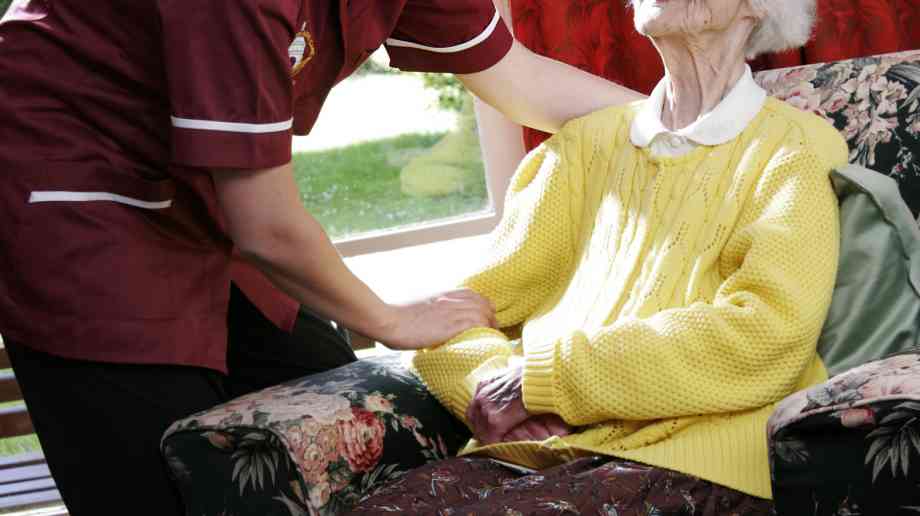
According to new research published by researchers from the University of East Anglia (UEA), University College London (UCL), London Metropolitan University and the University of Nottingham, positive social support from adult children is associated with reduced risk of developing dementia.
The study, based on data from the English Longitudinal Study of Ageing (ELSA), and has been published in the Journal of Alzheimer’s Disease. The researchers analysed a decade of data that followed 10,055 core participants from ELSA who were dementia-free at the start of the study in 2002-2003. Participants were interviewed every two years during 2004-2012 and incidence of dementia was identified from self-reports by participants or information given by nominated informants.
Measures of positive and negative experiences of social support were calculated at baseline (2002) using a set of six items within the ‘Health and lifestyle of people aged 50 and over’ questionnaire of ELSA.
The research highlighted that an increase of one point in the positive social support score led to up to a 17 per cent reduction in the instantaneous risk of developing dementia. Positive support was characterised by having a reliable, approachable and understanding relationship with spouses or partners, children and other immediate family.
However, negative support scores showed stronger effects, with an increase of one point in the negative support score leading to up to a 31 per cent rise in the risk. Negative support was characterised by experiences of critical, unreliable and annoying behaviours from spouses or partners, children and other immediate family.
Dr Mizanur Khondoker, a senior lecturer in medical statistics at UEA’s Norwich Medical School, explained: “It is well known that having a rich network of close relationships, including being married and having adult children, is related to a reduced risk of cognitive decline and developing dementia.
“However, a relationship or social connection that does not work well can be a source of intense interpersonal stress, which may have a negative impact on both physical and mental health of older adults. It is not only the quantity of social connections, but the quality of those connections may be an important factor affecting older people’s cognitive health.
“This work is a step toward better understanding of the impact of social relationships on dementia risk, but further research is needed to better establish any potential causal mechanisms that may drive these associations.”
UCL Prof Andrew Steptoe said: “Our findings add to the growing evidence of the relevance of social relationships for cognitive health in older age. Specifically for health and social care practice, the research highlights the value of thinking about social relationship issues in individuals vulnerable to dementia, while pointing toward specific ways of potentially modifying risk.
“Our results will add to the impetus underlying local and national efforts to help strengthen the social relationships of older people, many of whom are isolated and lonely.”
Latest News

16/02/2024 - 12:56
Hammersmith and Fulham Council has created a new alliance intended to clean dirty air and improve residents' health.

16/02/2024 - 10:44
Two million more GP appointments a month are being delivered for patients compared to the same month before the pandemic as part of the NHS primary care access recovery plan according to new NHS data.

15/02/2024 - 10:26
The Welsh Government has provided innovation funding of £380,000 to support two projects utilising technology in domiciliary care.

15/02/2024 - 10:13
The new Scottish health secretary has met with frontline staff at Queen Elizabeth University Hospital in Glasgow.

14/02/2024 - 10:27
The North East London NHS Foundation Trust (NELFT) has appointed three new Executive Directors to the Trust Board.
Product Features

UK Building Regulations highlight toxic gas and smoke from layers of paint built up over multiple redecorations as a major cause of permanent ill health or death in a building fire.
Their concern rose with discovery the flame retardant paints most widely used paint along escape routes have been ones which to this day counter-productively use emission of heavy toxic gas to smother flames which rapidly spread along walls if layers of paint delaminate in a fire.
Supplier Profiles

Northwich’s Victoria Infirmary (VIN) Community Diagnostic Centre (CDC) has enabled more patients

Adveco, the commercial hot water specialist, announces the launch of live metering of domestic ho
Latest Features

Sarah Greenslade, public affairs and communications officer at the British Parking Association looks at some of the problems and innovations in healthcare parking

It’s easy to assume that the comms team is there to handle press enquiries and the occasional social media storm – but the reality is that strategic communications can make a measurable impact across the entire organisation, from operational to financial, when done properly


