
This story was first published in digitalhealth.net

Non-O blood types linked to increased heart attack risk
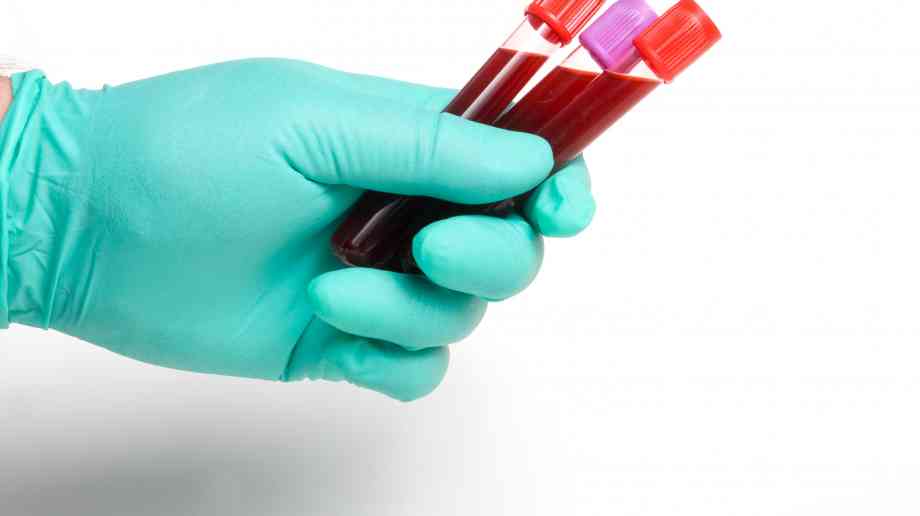
Research presented at the European Society of Cardiology congress has suggested that people with a non-O blood group have a slightly increased risk of heart attack and stroke.
The research analysed studies involving 1.3 million people and found that 15 in 1,000 people with a non-O blood group suffered a heart attack, compared to 14 in 1,000 people with blood group O. The scientists speculated it could be because higher levels of a blood-clotting protein are present in people with A, B and AB blood.
The findings could help doctors better understand who is at risk of developing heart disease.
Lead author Tessa Kole, from the University Medical Centre Groningen, the Netherlands, said: “It has been suggested that people with non-O blood groups (A, B, AB) are at higher risk for heart attacks and overall cardiovascular mortality, but this suggestion comes from case-control studies which have a low level of evidence. If this was confirmed it could have important implications for personalised medicine.”
“We demonstrate that having a non-O blood group is associated with a nine per cent increased risk of coronary events and a nine per cent increased risk of cardiovascular events, especially myocardial infarction.
“More research is needed to identify the cause of the apparent increased cardiovascular risk in people with a non-O blood group. Obtaining more information about risk in each non-O blood group (A, B, and AB) might provide further explanations of the causes.”
She concluded: “In future, blood group should be considered in risk assessment for cardiovascular prevention, together with cholesterol, age, sex and systolic blood pressure. It could be that people with an A blood group should have a lower treatment threshold for dyslipidaemia or hypertension, for example. We need further studies to validate if the excess cardiovascular risk in non-O blood group carriers may be amenable to treatment.”
Dr Mike Knapton, associate medical director at the British Heart Foundation, commented: "Most of a person's risk estimation is determined by age, genetics (family history and ethnicity) and other modifiable risk factors including diet, weight, level of physical activity, smoking, blood pressure, cholesterol and diabetes.
"People with a non-O blood group type - AO, BO and AB - need to take the same steps as anyone wanting to reduce their CVD risk.
"That includes taking sensible steps to improve their diet, weight, level of physical activity and not smoking, and where needed, manage blood pressure, cholesterol and diabetes."
Latest News

16/02/2024 - 12:56
Hammersmith and Fulham Council has created a new alliance intended to clean dirty air and improve residents' health.

16/02/2024 - 10:44
Two million more GP appointments a month are being delivered for patients compared to the same month before the pandemic as part of the NHS primary care access recovery plan according to new NHS data.

15/02/2024 - 10:26
The Welsh Government has provided innovation funding of £380,000 to support two projects utilising technology in domiciliary care.

15/02/2024 - 10:13
The new Scottish health secretary has met with frontline staff at Queen Elizabeth University Hospital in Glasgow.

14/02/2024 - 10:27
The North East London NHS Foundation Trust (NELFT) has appointed three new Executive Directors to the Trust Board.
Product Features

UK Building Regulations highlight toxic gas and smoke from layers of paint built up over multiple redecorations as a major cause of permanent ill health or death in a building fire.
Their concern rose with discovery the flame retardant paints most widely used paint along escape routes have been ones which to this day counter-productively use emission of heavy toxic gas to smother flames which rapidly spread along walls if layers of paint delaminate in a fire.
Supplier Profiles

Northwich’s Victoria Infirmary (VIN) Community Diagnostic Centre (CDC) has enabled more patients

Adveco, the commercial hot water specialist, announces the launch of live metering of domestic ho
Latest Features

Sarah Greenslade, public affairs and communications officer at the British Parking Association looks at some of the problems and innovations in healthcare parking

It’s easy to assume that the comms team is there to handle press enquiries and the occasional social media storm – but the reality is that strategic communications can make a measurable impact across the entire organisation, from operational to financial, when done properly


