
This story was first published in digitalhealth.net

£1.1m life-saving technique trialled across major trauma centres
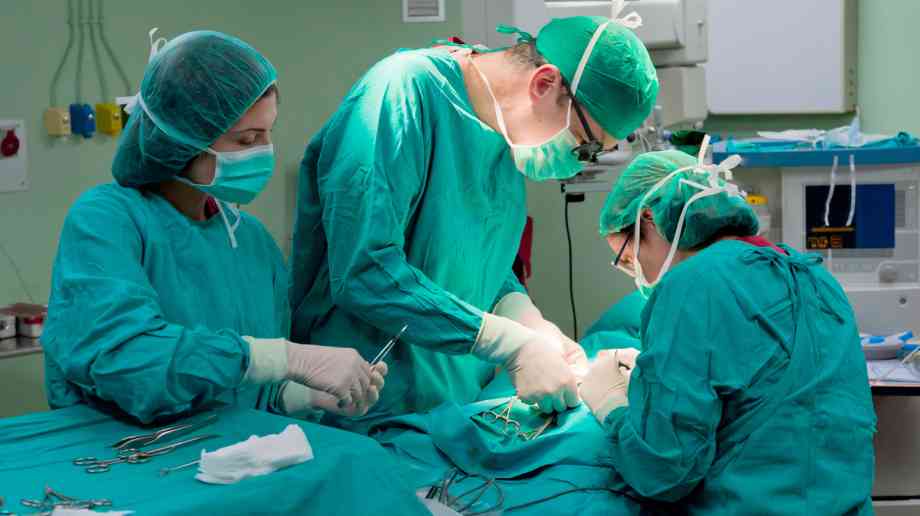
An emergency treatment aimed at saving the lives of people with life-threatening bleeding injuries is to be trialled as across a number of trauma centres as part of a new £1.1 million study by the University of Aberdeen.
The technique, named REBOA (Resuscitative Endovascular Balloon Occlusion of the Aorta), involves temporarily stopping the blood flow to the lower part of the body until patients can be taken to an operating theatre. The technique will be used only on patients with uncontrolled, life-threatening bleeding from injuries to the torso.
Once above the location of the injury, the balloon is inflated, blocking the artery and stopping the blood flow to the injured parts of the body but, crucially, maintaining it around vital organs – the heart and the brain.
This type of injury, often seen in car crash victims or people who have fallen from height, is the most common cause of preventable death in trauma patients. Whilst a limb can be compressed to reduce blood loss, severe bleeding in the abdomen or chest usually requires an operation to stop it.
As a result people with such injuries can bleed to death before they reach an operating theatre.
However, the REBOA procedure allows an Emergency department’s Trauma Team more time to prepare the patient for surgery.
The trial, which will take place over four years, will compare the survival of those who receive REBOA and those who do not in order to establish whether it is an effective intervention. The scientists have estimated that around 120 patients could be treated using REBOA over the course of the trial."
Jan Jansen, a consultant in general surgery and intensive care medicine and honorary senior clinical lecturer at the University of Aberdeen, and the chief investigator of the study, explained: "REBOA is quite a simple concept which many in the medical profession believe will be a tool that helps save more lives. This trial will provide evidence that either supports or refutes that conception.
Jansen added: “The technology is not without its complications. Cutting off blood from half the body can only be done for so long and you have to deal with the consequences of that but with injuries this severe it can be a trade-off worth making. We want to find out if it is worth taking an extra few minutes to do this procedure and arrive in the theatre in a more controlled state.
“It’s important to stress that this procedure is only used in extreme cases where there is a real chance of the patient dying in the emergency department.
“All teams involved will be given bespoke training and as well as assessing the success of REBOA we will be evaluating how practical it is to incorporate into the procedures of each individual trauma team.
“Some early adopter teams have already started using this but this trial will provide some thorough research that shows just how effective it is at saving lives.”
Latest News

16/02/2024 - 12:56
Hammersmith and Fulham Council has created a new alliance intended to clean dirty air and improve residents' health.

16/02/2024 - 10:44
Two million more GP appointments a month are being delivered for patients compared to the same month before the pandemic as part of the NHS primary care access recovery plan according to new NHS data.

15/02/2024 - 10:26
The Welsh Government has provided innovation funding of £380,000 to support two projects utilising technology in domiciliary care.

15/02/2024 - 10:13
The new Scottish health secretary has met with frontline staff at Queen Elizabeth University Hospital in Glasgow.

14/02/2024 - 10:27
The North East London NHS Foundation Trust (NELFT) has appointed three new Executive Directors to the Trust Board.
Product Features

UK Building Regulations highlight toxic gas and smoke from layers of paint built up over multiple redecorations as a major cause of permanent ill health or death in a building fire.
Their concern rose with discovery the flame retardant paints most widely used paint along escape routes have been ones which to this day counter-productively use emission of heavy toxic gas to smother flames which rapidly spread along walls if layers of paint delaminate in a fire.
Supplier Profiles

Northwich’s Victoria Infirmary (VIN) Community Diagnostic Centre (CDC) has enabled more patients

Adveco, the commercial hot water specialist, announces the launch of live metering of domestic ho
Latest Features

Sarah Greenslade, public affairs and communications officer at the British Parking Association looks at some of the problems and innovations in healthcare parking

It’s easy to assume that the comms team is there to handle press enquiries and the occasional social media storm – but the reality is that strategic communications can make a measurable impact across the entire organisation, from operational to financial, when done properly


