
This story was first published in digitalhealth.net

Firefighter heart risk a result of heat exposure, study suggests
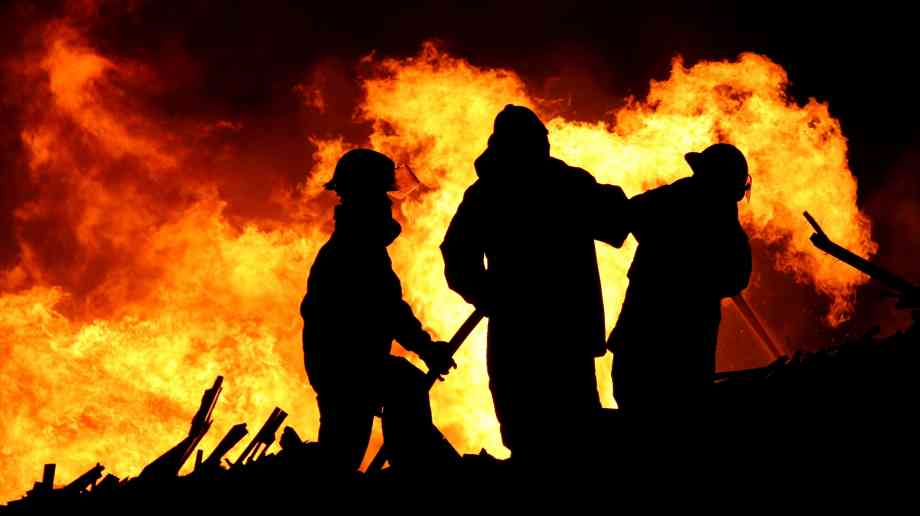
A study conducted by the University of Edinburgh’s Centre for Cardiovascular Science has found that heat exposure and physical exertion during firefighting can increase blood clotting and impair blood vessel function.
The researchers speculated that the findings may explain why heart attacks are the leading cause of death amongst on-duty firefighters.
The study, funded by the British Heart Foundation and published in the journal Circulation and involved randomly selecting 19 non-smoking, healthy firefighters to complete two exercises at least a week apart. The first involved a fire simulation activity as they attempted a mock rescue from a two storey structure.
The second involved 20 minutes of light duties similar to those performed during a shift without an emergency call out. During the fire simulation, participants were exposed to extremely high temperatures that raised their core body temperature by around one degree Celsius on average.
However, findings indicated that their body temperatures remained high for three to four hours following the fire simulation. The firefighters wore heart monitors to check for signs of strain that might indicate a lack of oxygen being delivered to the heart muscle and found their blood became stickier and was more likely to form potentially harmful clots after the fire simulation.
They research also identified that firefighters’ blood vessels failed to relax in response to medication.
The scientists are calling on fire services to help to reduce the number of heart attacks by limiting the time firefighters spend tackling a blaze. The researchers suggested that fire crews should cool down and rehydrate after exposure to high temperatures could improve their heart health.
Professor Nick MillsBHF senior clinical research fellow, Centre for Cardiovascular Science explained: “Our study has shown a direct link between the heat and physical activity levels encountered by firefighters during the course of their duties and their risk of suffering a heart attack. However, we’ve also found that there are simple measures, such as staying well hydrated, that firefighters can take to reduce this risk.”
Dr Mike Knapton associate medical director, British Heart Foundation, said: “Firefighters routinely risk their lives to save members of the public. The least we can do is make sure we are protecting their hearts during the course of their duties.”
Latest News

16/02/2024 - 12:56
Hammersmith and Fulham Council has created a new alliance intended to clean dirty air and improve residents' health.

16/02/2024 - 10:44
Two million more GP appointments a month are being delivered for patients compared to the same month before the pandemic as part of the NHS primary care access recovery plan according to new NHS data.

15/02/2024 - 10:26
The Welsh Government has provided innovation funding of £380,000 to support two projects utilising technology in domiciliary care.

15/02/2024 - 10:13
The new Scottish health secretary has met with frontline staff at Queen Elizabeth University Hospital in Glasgow.

14/02/2024 - 10:27
The North East London NHS Foundation Trust (NELFT) has appointed three new Executive Directors to the Trust Board.
Product Features

UK Building Regulations highlight toxic gas and smoke from layers of paint built up over multiple redecorations as a major cause of permanent ill health or death in a building fire.
Their concern rose with discovery the flame retardant paints most widely used paint along escape routes have been ones which to this day counter-productively use emission of heavy toxic gas to smother flames which rapidly spread along walls if layers of paint delaminate in a fire.
Supplier Profiles

Northwich’s Victoria Infirmary (VIN) Community Diagnostic Centre (CDC) has enabled more patients

Adveco, the commercial hot water specialist, announces the launch of live metering of domestic ho
Latest Features

Sarah Greenslade, public affairs and communications officer at the British Parking Association looks at some of the problems and innovations in healthcare parking

It’s easy to assume that the comms team is there to handle press enquiries and the occasional social media storm – but the reality is that strategic communications can make a measurable impact across the entire organisation, from operational to financial, when done properly


