
This story was first published in digitalhealth.net

Researchers successfully manufacture red blood cells
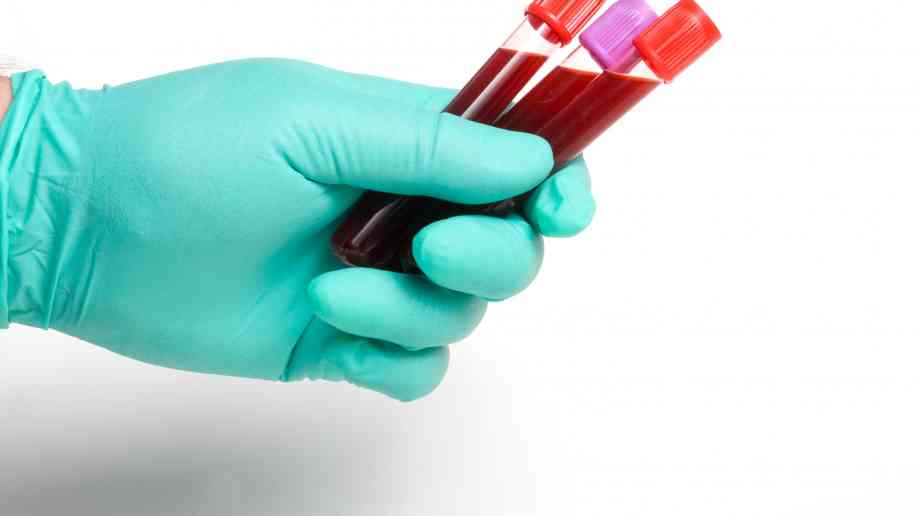
The University of Bristol and NHS Blood and Transplant team have been successful in manufacturing red blood cells on a more efficient scale than was previously possible.
Published in Nature Communications, the study involved producing small numbers of mature cells and requires repeat donations. The technique allows the production of immortalised erythroid cell lines from adult stem cells. The premature red cells can then be cultured indefinitely, allowing larger-scale production, before being differentiated into mature red blood cells.
Dr Jan Frayne, from the University of Bristol’s School of Biochemistry, said: “Previous approaches to producing red blood cells have relied on various sources of stem cells which can only presently produce very limited quantities. By taking an alternative approach we have generated the first human immortalised adult erythroid line (Bristol Erythroid Line Adult or BEL-A), and in doing so, have demonstrated a feasible way to sustainably manufacture red cells for clinical use from in vitro culture.
“Globally, there is a need for an alternative red cell product. Cultured red blood cells have advantages over donor blood, such as reduced risk of infectious disease transmission.”
Professor Dave Anstee, Director at the NIHR Blood and Transplant Research Unit in Red Cell Products, which is a collaboration between the University of Bristol and NHS Blood and Transplant, said: “Scientists have been working for years on how to manufacture red blood cells to offer an alternative to donated blood to treat patients.
“The first therapeutic use of a cultured red cell product is likely to be for patients with rare blood groups because suitable conventional red blood cell donations can be difficult to source.
“The patients who stand to potentially benefit most are those with complex and life-limiting conditions like sickle cell disease and thalassemia, which can require multiple transfusions of well-matched blood. The intention is not to replace blood donation but provide specialist treatment for specific patient groups.”
Latest News

16/02/2024 - 12:56
Hammersmith and Fulham Council has created a new alliance intended to clean dirty air and improve residents' health.

16/02/2024 - 10:44
Two million more GP appointments a month are being delivered for patients compared to the same month before the pandemic as part of the NHS primary care access recovery plan according to new NHS data.

15/02/2024 - 10:26
The Welsh Government has provided innovation funding of £380,000 to support two projects utilising technology in domiciliary care.

15/02/2024 - 10:13
The new Scottish health secretary has met with frontline staff at Queen Elizabeth University Hospital in Glasgow.

14/02/2024 - 10:27
The North East London NHS Foundation Trust (NELFT) has appointed three new Executive Directors to the Trust Board.
Product Features

UK Building Regulations highlight toxic gas and smoke from layers of paint built up over multiple redecorations as a major cause of permanent ill health or death in a building fire.
Their concern rose with discovery the flame retardant paints most widely used paint along escape routes have been ones which to this day counter-productively use emission of heavy toxic gas to smother flames which rapidly spread along walls if layers of paint delaminate in a fire.
Supplier Profiles

Northwich’s Victoria Infirmary (VIN) Community Diagnostic Centre (CDC) has enabled more patients

Adveco, the commercial hot water specialist, announces the launch of live metering of domestic ho
Latest Features

Sarah Greenslade, public affairs and communications officer at the British Parking Association looks at some of the problems and innovations in healthcare parking

It’s easy to assume that the comms team is there to handle press enquiries and the occasional social media storm – but the reality is that strategic communications can make a measurable impact across the entire organisation, from operational to financial, when done properly


