
This story was first published in digitalhealth.net

NHS Lanarkshire uses metal detectors to cut X-ray use
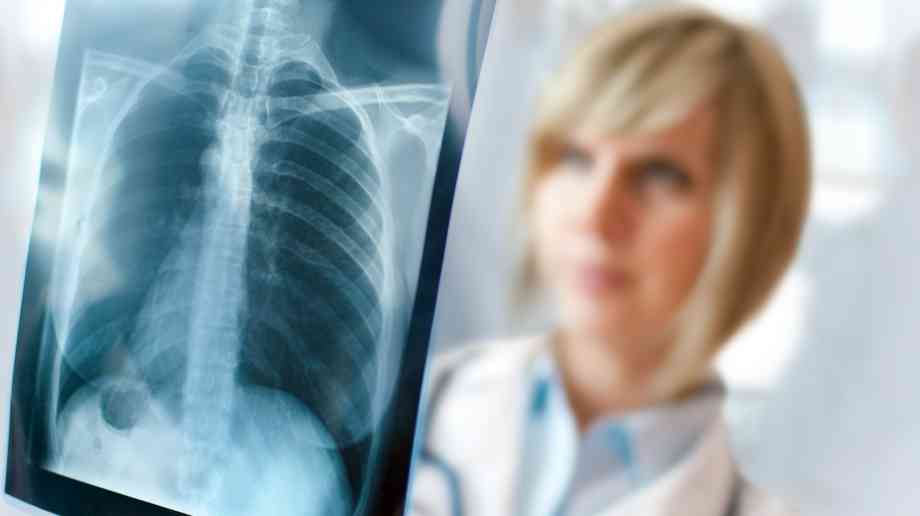
NHS Lanarkshire are helping children avoid having potentially time and money consuming X-rays by checking them with metal detectors instead.
The metal detectors are being used to identify if a patient has swallowed a metal object, and has been successfully tested in the emergency department at Monklands Hospital in Airdrie.
It is hoped the initiative, which is primarily used with children, canl now be introduced at NHS Lanarkshire’s two other emergency departments. Monklands Hospital found the new technique cut the percentage of patients needing X-rays after possibly swallowing coins or other bits of metal.
Before the detector was used, 80 per cent of patients admitted for swallowing metal had X-rays – but that was reduced to 50 per cent after it was brought in.
Dr Nicola Moultrie, the emergency department registrar who ran the project, informally known as Hunting for Swallowed Treasure, explained: “Parents and carers sometimes attend with children they think may have swallowed a metal foreign body.
“Normally the children would have one or more X-rays to make sure the object isn’t stuck in their gullet, which can cause potentially fatal complications.
“But the metal detector means they don’t have to go through the possibly upsetting experience of an X-ray examination and they avoid the exposure to radiation that comes with radiography.
“We just run the detector over them and, if it bleeps and the light flashes, we know they have swallowed something metallic. Depending where it is in their body, some patients can go home without the need for radiological imaging. It saves time for the patients and the staff.”
Dr Fiona Hunter, emergency department consultant, who oversaw Moultrie’s project, said: “We were both aware that detectors had previously been used in some emergency departments in Scotland and introducing it to Lanarkshire has been a great success.
“There is the added bonus of the savings made from doing fewer X-rays, which are around £55 each. The detector cost less than £400 so it has quickly paid for itself.
“It’s a medical grade device and it works particularly well for coins although it can be less sensitive to other types of foreign bodies.
“All the emergency department team are now trained to use the detector when it’s appropriate.”
Latest News

16/02/2024 - 12:56
Hammersmith and Fulham Council has created a new alliance intended to clean dirty air and improve residents' health.

16/02/2024 - 10:44
Two million more GP appointments a month are being delivered for patients compared to the same month before the pandemic as part of the NHS primary care access recovery plan according to new NHS data.

15/02/2024 - 10:26
The Welsh Government has provided innovation funding of £380,000 to support two projects utilising technology in domiciliary care.

15/02/2024 - 10:13
The new Scottish health secretary has met with frontline staff at Queen Elizabeth University Hospital in Glasgow.

14/02/2024 - 10:27
The North East London NHS Foundation Trust (NELFT) has appointed three new Executive Directors to the Trust Board.
Product Features

UK Building Regulations highlight toxic gas and smoke from layers of paint built up over multiple redecorations as a major cause of permanent ill health or death in a building fire.
Their concern rose with discovery the flame retardant paints most widely used paint along escape routes have been ones which to this day counter-productively use emission of heavy toxic gas to smother flames which rapidly spread along walls if layers of paint delaminate in a fire.
Supplier Profiles

Northwich’s Victoria Infirmary (VIN) Community Diagnostic Centre (CDC) has enabled more patients

Adveco, the commercial hot water specialist, announces the launch of live metering of domestic ho
Latest Features

Sarah Greenslade, public affairs and communications officer at the British Parking Association looks at some of the problems and innovations in healthcare parking

It’s easy to assume that the comms team is there to handle press enquiries and the occasional social media storm – but the reality is that strategic communications can make a measurable impact across the entire organisation, from operational to financial, when done properly


