
This story was first published in digitalhealth.net

Early heart attack symptoms missed, research warns
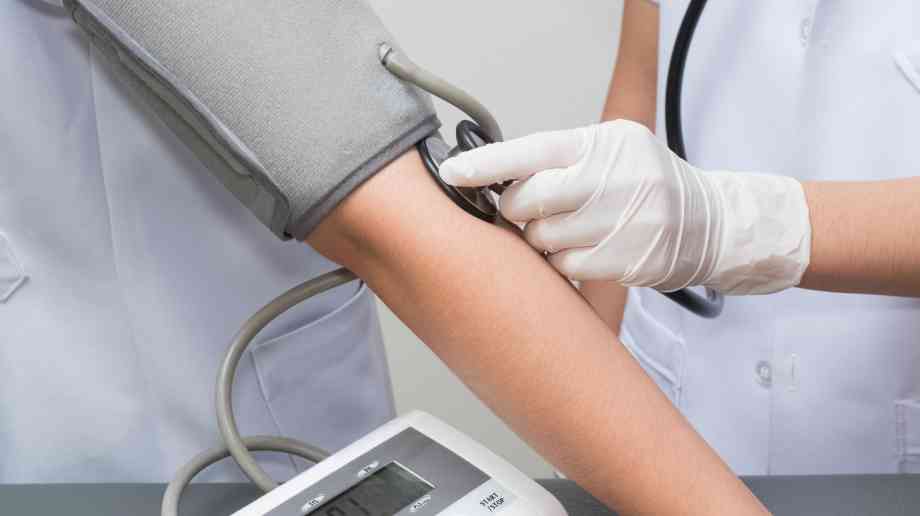
Research conducted by Imperial College and published in the Lancet has suggested that early warning signs were missed in one in six heart attack deaths in England.
The study looked at all 135,950 heart attack hospital admissions and associated deaths between 2006 and 2010 and found 16 per cent who died of a heart attack within 28 days of an admission had not been diagnosed, despite having symptoms like chest pain.
The records showed whether the person had been admitted to hospital in the previous four weeks and whether signs of a heart attack were recorded as the primary reason for the hospital admission, with 21,677 patients having no mention of heart attack symptoms in their records.
Key symptoms associated with heart attacks include: chest pain, dizziness, sweating, shortness of breath, nausea, anxiety and coughing.
Lead author Dr Perviz Asaria said: "Doctors are very good at treating heart attacks when they are the main cause of admission, but we don't do very well treating secondary heart attacks or at picking up subtle signs which might point to a heart attack death in the near future."
Prof Jeremy Pearson, associate medical director at the British Heart Foundation, said: "This study shows that large numbers of people who die of a heart attack have visited hospital in the month before, but have not been diagnosed with heart disease.
"This failure to detect warning signs is concerning and these results should prompt doctors to be more vigilant, reducing the chance that symptoms are missed, ultimately saving more lives."
A spokesman for the Royal College of Physicians said: "The treatment of heart attacks is one of the success stories of modern medicine but this paper is an important reminder that there are still areas where we can improve care.
"While many heart attacks present with classical pain in the chest in people who smoke and have other risk factors for heart disease, many heart attacks don't present this way and in people not obviously at high risk.
"The challenge is to accurately and speedily diagnose all these patients so that they can be offered best care. Education of the public, of GPs, paramedics and Emergency Department doctors is essential if we are to improve even further the care we offer to patients having a heart attack."
Latest News

16/02/2024 - 12:56
Hammersmith and Fulham Council has created a new alliance intended to clean dirty air and improve residents' health.

16/02/2024 - 10:44
Two million more GP appointments a month are being delivered for patients compared to the same month before the pandemic as part of the NHS primary care access recovery plan according to new NHS data.

15/02/2024 - 10:26
The Welsh Government has provided innovation funding of £380,000 to support two projects utilising technology in domiciliary care.

15/02/2024 - 10:13
The new Scottish health secretary has met with frontline staff at Queen Elizabeth University Hospital in Glasgow.

14/02/2024 - 10:27
The North East London NHS Foundation Trust (NELFT) has appointed three new Executive Directors to the Trust Board.
Product Features

UK Building Regulations highlight toxic gas and smoke from layers of paint built up over multiple redecorations as a major cause of permanent ill health or death in a building fire.
Their concern rose with discovery the flame retardant paints most widely used paint along escape routes have been ones which to this day counter-productively use emission of heavy toxic gas to smother flames which rapidly spread along walls if layers of paint delaminate in a fire.
Supplier Profiles

Northwich’s Victoria Infirmary (VIN) Community Diagnostic Centre (CDC) has enabled more patients

Adveco, the commercial hot water specialist, announces the launch of live metering of domestic ho
Latest Features

Sarah Greenslade, public affairs and communications officer at the British Parking Association looks at some of the problems and innovations in healthcare parking

It’s easy to assume that the comms team is there to handle press enquiries and the occasional social media storm – but the reality is that strategic communications can make a measurable impact across the entire organisation, from operational to financial, when done properly


