
This story was first published in digitalhealth.net

More cases for children’s dental treatment than broken arms
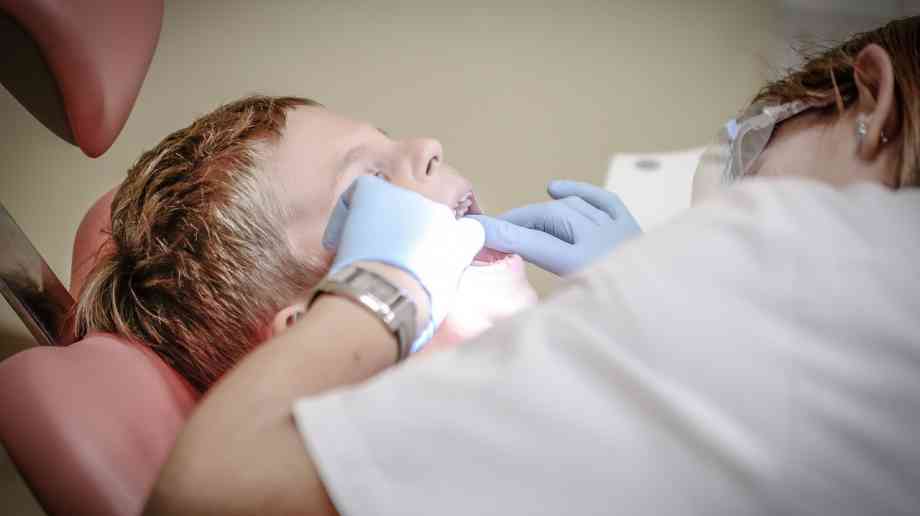
New figures show that twice as many children under the age of 10 receive hospital treatment for tooth decay as those treated for broken arms.
According to the faculty of dental surgery at the Royal College of Surgeons, there were 34,205 cases of patients under 10 needing hospital treatment for dental caries in the year to March, compared with 17,043 for broken arms, 19,584 for asthma, 10,397 for epilepsy and 3,805 for appendicitis.
The faculty argue that tooth decay, which is the most common reason that children between five and nine need treatment in hospital, is preventable in 90 per cent of cases. However, many children are not going to the dentist, with parents often unaware that it is free for the under-18s.
Prof Michael Escudier, dean of the faculty of dental surgery, said: “Sometimes this can be unavoidable, but when it comes to admissions caused by tooth decay, most cases are a result of simple preventative steps not being taken. Tens of thousands of children every year are having to go through the distressing experience of having teeth removed under general anaesthetic. Reducing sugar consumption, regularly brushing teeth with fluoride toothpaste and routine dental visits will all help ensure this is avoided.”
Henrik Overgaard-Nielsen, the British Dental Association’s chair of general dental practice, said: “These shocking statistics are rooted in an abject failure by government to tackle a preventable disease. While we are hearing positive noises, ministers have not met words with action. Scotland and Wales have dedicated national programmes to improve children’s oral health, England has been offered a new logo and limited action in a handful of council wards. It’s a scandal that when some local authorities are doing sterling work, others are sitting on their hands while Westminster offers radio silence.”
Latest News

16/02/2024 - 12:56
Hammersmith and Fulham Council has created a new alliance intended to clean dirty air and improve residents' health.

16/02/2024 - 10:44
Two million more GP appointments a month are being delivered for patients compared to the same month before the pandemic as part of the NHS primary care access recovery plan according to new NHS data.

15/02/2024 - 10:26
The Welsh Government has provided innovation funding of £380,000 to support two projects utilising technology in domiciliary care.

15/02/2024 - 10:13
The new Scottish health secretary has met with frontline staff at Queen Elizabeth University Hospital in Glasgow.

14/02/2024 - 10:27
The North East London NHS Foundation Trust (NELFT) has appointed three new Executive Directors to the Trust Board.
Product Features

UK Building Regulations highlight toxic gas and smoke from layers of paint built up over multiple redecorations as a major cause of permanent ill health or death in a building fire.
Their concern rose with discovery the flame retardant paints most widely used paint along escape routes have been ones which to this day counter-productively use emission of heavy toxic gas to smother flames which rapidly spread along walls if layers of paint delaminate in a fire.
Supplier Profiles

Northwich’s Victoria Infirmary (VIN) Community Diagnostic Centre (CDC) has enabled more patients

Adveco, the commercial hot water specialist, announces the launch of live metering of domestic ho
Latest Features

Sarah Greenslade, public affairs and communications officer at the British Parking Association looks at some of the problems and innovations in healthcare parking

It’s easy to assume that the comms team is there to handle press enquiries and the occasional social media storm – but the reality is that strategic communications can make a measurable impact across the entire organisation, from operational to financial, when done properly


