
This story was first published in digitalhealth.net

NHS advice for acid attack victims
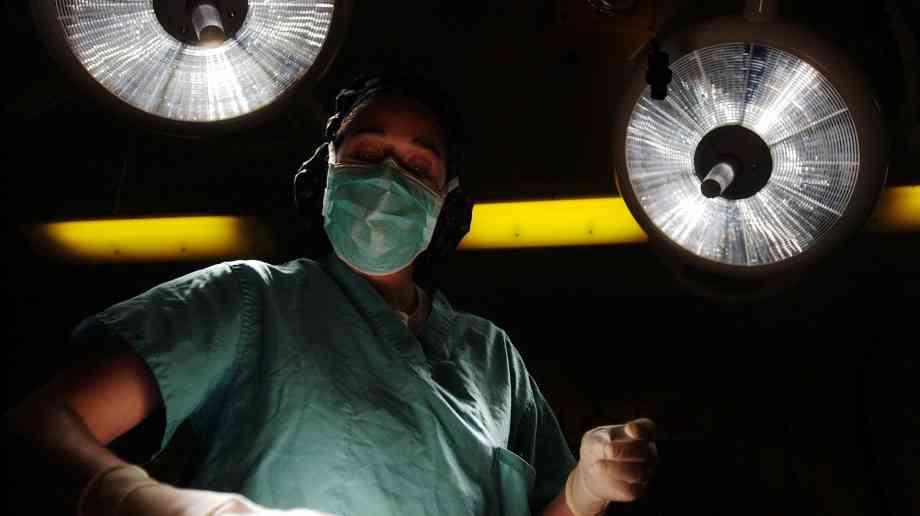
A rise in the number of patients being treated for acid attacks has prompted the NHS to release first aid guidance and support for victims and their families.
New data from NHS England shows that the number of people requiring specialist medical help for this type of assault is on the rise, doubling over the last few years. Leading burns specialists are also predicting that, given the increase in attacks this year, there will also be a steeper rise of victims in the foreseeable future.
In partnership with the British Association of Plastic, Reconstructive and Aesthetic Surgeons (BAPRAS), NHS England’s new guidance, Report, Remove, Rinse, encourages victims to the report the attack to the emergency services, remove contaminated clothing carefully and rinse affected skin immediately in running water.
People assaulted with corrosive substances like acid are likely to need a range of different care after the emergency response, including therapy and reconstructive surgery. In addition to the significant harm these attacks cause to individuals, the NHS estimates that the average cost of care for a victim requiring specialist burns treatment, eye care, rehabilitation and mental health treatment is £34,500.
Chris Moran, National Clinical Director for Trauma at NHS England, said: “Whilst this type of criminal assault remains rare, the NHS is caring for an increasing number of people who have fallen victim to these cowardly attacks. One moment of thoughtless violence can result in serious physical pain and mental trauma, which can involve months if not years of costly and specialist NHS treatment.
“So-called acid attacks are medical emergencies and people should immediately dial 999. We are issuing guidance today that sets out clearly and simply how people can help themselves and others in response to attacks. Our guidance will outline what first steps to take in the event of an attack in those crucial minutes before professional clinical help arrives on the scene.”
David Ward, president of the BAPRAS, added: “BAPRAS surgeons specialising in burns and trauma have seen first-hand the devastating impact on patients admitted to A&E after vicious corrosive substance attacks. They cause severe pain, scarring which can be life-long, and can damage the sight, sometimes leading to blindness. Unfortunately these vindictive attacks are on the increase.
“The minutes after an acid attack are critical for helping a victim. This guidance BAPRAS has published with NHS England gives the important, urgent steps a victim or witness can take to help reduce the immediate pain and damage, and long-term injuries.”
Latest News

16/02/2024 - 12:56
Hammersmith and Fulham Council has created a new alliance intended to clean dirty air and improve residents' health.

16/02/2024 - 10:44
Two million more GP appointments a month are being delivered for patients compared to the same month before the pandemic as part of the NHS primary care access recovery plan according to new NHS data.

15/02/2024 - 10:26
The Welsh Government has provided innovation funding of £380,000 to support two projects utilising technology in domiciliary care.

15/02/2024 - 10:13
The new Scottish health secretary has met with frontline staff at Queen Elizabeth University Hospital in Glasgow.

14/02/2024 - 10:27
The North East London NHS Foundation Trust (NELFT) has appointed three new Executive Directors to the Trust Board.
Product Features

UK Building Regulations highlight toxic gas and smoke from layers of paint built up over multiple redecorations as a major cause of permanent ill health or death in a building fire.
Their concern rose with discovery the flame retardant paints most widely used paint along escape routes have been ones which to this day counter-productively use emission of heavy toxic gas to smother flames which rapidly spread along walls if layers of paint delaminate in a fire.
Supplier Profiles

Northwich’s Victoria Infirmary (VIN) Community Diagnostic Centre (CDC) has enabled more patients

Adveco, the commercial hot water specialist, announces the launch of live metering of domestic ho
Latest Features

Sarah Greenslade, public affairs and communications officer at the British Parking Association looks at some of the problems and innovations in healthcare parking

It’s easy to assume that the comms team is there to handle press enquiries and the occasional social media storm – but the reality is that strategic communications can make a measurable impact across the entire organisation, from operational to financial, when done properly


