
This story was first published in digitalhealth.net

Flash monitors to be rolled out to all type 1 diabetes patients
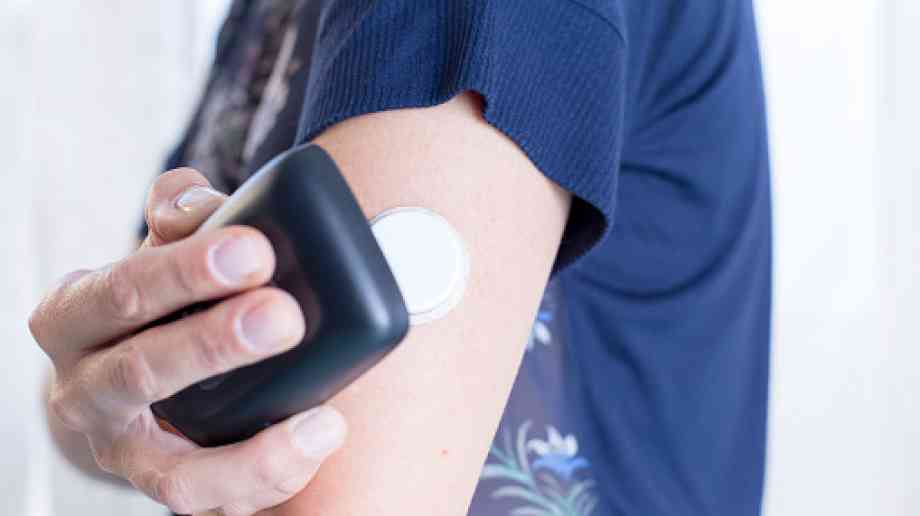
New guidance has said that everyone living with type 1 diabetes will be eligible for lifechanging flash glucose monitors on the NHS.
The NHS Long Term Plan has already helped almost three in five people with Type 1 diabetes to access the monitors that allow people to check their glucose levels more easily and regularly. The latest change means that everyone in England with the condition will be able to benefit from the convenient technology.
The wearable gadgets, the size of a £2 coin, have a sensor that easily sits on the arm, allowing patients to check their glucose levels with a one-second scan. Monitors link to an easy to use app on your phone, where people can access the data gathered by the device. Unlike conventional monitors they allow patients to view patterns over time, not only showing current and previous glucose levels but also predicting what level they can rise to.
Flash monitoring not only helps to improve blood glucose levels in people with type 1 diabetes, but also has a positive effect on their quality of life.
The NHS Long Term Plan included a target to ensure 20 per cent of people with type 1 diabetes were benefiting from flash monitors by March 2021 and recent data shows the NHS significantly exceeded that goal, with nearly three fifths already accessing the technology.
Partha Kar, National NHS Specialty Adviser for Diabetes, said: “This announcement is the biggest step forward for type 1 diabetes care in years, allowing everyone eligible to have one of these easy to use pieces of tech if they want to – building on the success of the NHS in its rollout so far. I am delighted to see NICE endorse the use of this technology. These monitors are a win win – they support diabetes patients to live healthier lives, reduce their risk of hospitalisation while also helping to reduce pressure on NHS services and provide better value for money for taxpayers.”
Eligible patients are currently able to access the monitors on prescription from their local GP or diabetes team, helping them to better manage their blood sugar levels.
Latest News

16/02/2024 - 12:56
Hammersmith and Fulham Council has created a new alliance intended to clean dirty air and improve residents' health.

16/02/2024 - 10:44
Two million more GP appointments a month are being delivered for patients compared to the same month before the pandemic as part of the NHS primary care access recovery plan according to new NHS data.

15/02/2024 - 10:26
The Welsh Government has provided innovation funding of £380,000 to support two projects utilising technology in domiciliary care.

15/02/2024 - 10:13
The new Scottish health secretary has met with frontline staff at Queen Elizabeth University Hospital in Glasgow.

14/02/2024 - 10:27
The North East London NHS Foundation Trust (NELFT) has appointed three new Executive Directors to the Trust Board.
Product Features

UK Building Regulations highlight toxic gas and smoke from layers of paint built up over multiple redecorations as a major cause of permanent ill health or death in a building fire.
Their concern rose with discovery the flame retardant paints most widely used paint along escape routes have been ones which to this day counter-productively use emission of heavy toxic gas to smother flames which rapidly spread along walls if layers of paint delaminate in a fire.
Supplier Profiles

Northwich’s Victoria Infirmary (VIN) Community Diagnostic Centre (CDC) has enabled more patients

Adveco, the commercial hot water specialist, announces the launch of live metering of domestic ho
Latest Features

Sarah Greenslade, public affairs and communications officer at the British Parking Association looks at some of the problems and innovations in healthcare parking

It’s easy to assume that the comms team is there to handle press enquiries and the occasional social media storm – but the reality is that strategic communications can make a measurable impact across the entire organisation, from operational to financial, when done properly


