
This story was first published in digitalhealth.net

Urgent and Emergency Care delivery plan announced
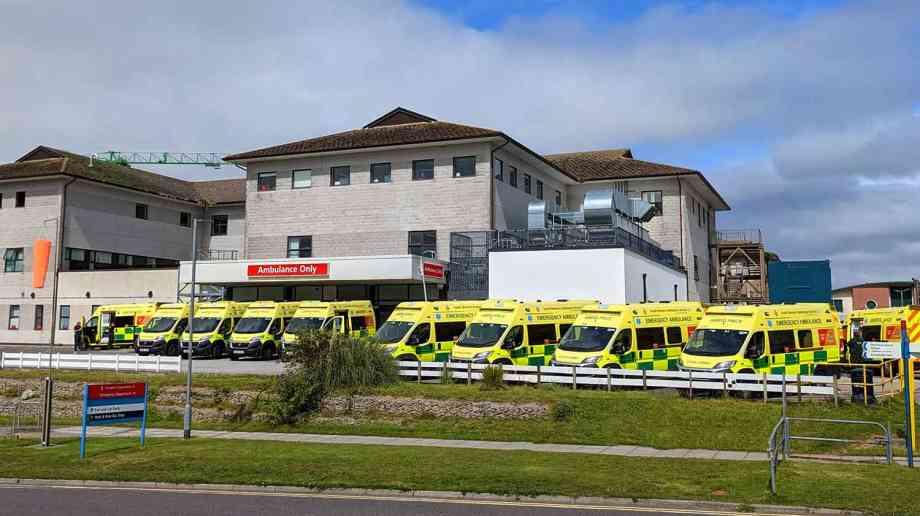
The NHS and the Government have published a two year delivery plan to help recover urgent and emergency care services, reduce waiting times, and improve patient experience.
The Delivery plan for recovering urgent and emergency care services is a 49 page document which sets out how the government expects patients to be seen more quickly in emergency departments, with the ambition to improve to 76 per cent of patients being admitted, transferred or discharged within four hours by March 2024. Category two ambulance response times will be improved to an average of 30 minutes over the next year, with further improvements expected by in 2024/25.
Backed by a £1 billion dedicated fund, the plan provides for 800 new ambulances (including 100 specialist mental health vehicles) and 5,000 more sustainable hospital beds.
The plan comes during record demand for NHS services, with the latest data showing more A&E attendances than ever before, growing numbers of the most serious ambulance call outs, and millions of NHS 111 calls a month over winter.
Urgent care provided in the community will be expanded to ensure people can get the care they need at home, without the need for a hospital admission.
The number of emergency medical technicians will also be expanded alongside greater use of student and apprentice paramedics and training more staff in mental health.
NHS chief executive, Amanda Pritchard, said:
“The NHS has been under more pressure than I have ever known in my 25 years working in the service – the threat of the ‘twindemic’ of flu and covid became a reality and that was alongside huge demand for all services – from ambulance and A&E services to mental health and GP appointments.
“We are incredibly grateful to the NHS staff who work day-in, day-out to deliver care to hundreds of thousands of people and for the extensive preparations put in place ahead of winter.
“We introduced more call handlers, more beds and 24/7 system control centres to manage increased demand, and this new plan sets out how we will boost that progress and help improve the experiences of patients who will benefit from quicker, better care, in the right setting.
“The front door to the NHS is often where we can see the pressures build up – and to relieve that pressure, we will continue to work with social care colleagues to free up space in hospitals so that people who are well enough to leave can be discharged and get the care they need at home or in the community.
“The history of the NHS is one of change and innovation and so, while striving to meet the needs of today’s patients, we are also looking to the future of the NHS and will shortly set out our workforce plan – which is a once in a generation opportunity to put the NHS on a sustainable footing.”
Prime Minister Rishi Sunak said:
“It will take time to get there but our plan will cut long waiting times by increasing the number of ambulances, staff and beds – stopping the bottlenecks outside A&E and making sure patients are seen and discharged quickly.
“If we meet this ambition, it will represent one of the fastest and longest sustained improvements in emergency waiting times in NHS history. I am determined to deliver this so that families across the country can get the care they need.”
However, the plan has been criticised for scant detail on how the NHS is to address workforce issues.
Professor Phil Banfield, chair of the British Medical Association's ruling council, noted that the only mention of active recruitment was in relation to NHS 111, and warned that staff vacancies must be urgently filled if the two-year plan was to succeed. He said:
"That comes from recruiting healthcare workers from other, already severely understaffed parts of the health service. Moving existing staff and finances around is not the way to fix this”.
“The NHS cannot afford to wait two years for the fraction of help that the government has proposed. If the NHS has any chance of surviving that long, then we need to see immediate funding as well as steps taken to retain and boost our workforce.”
The NHS workforce plan is to be announced 'shortly'.
Latest News

16/02/2024 - 12:56
Hammersmith and Fulham Council has created a new alliance intended to clean dirty air and improve residents' health.

16/02/2024 - 10:44
Two million more GP appointments a month are being delivered for patients compared to the same month before the pandemic as part of the NHS primary care access recovery plan according to new NHS data.

15/02/2024 - 10:26
The Welsh Government has provided innovation funding of £380,000 to support two projects utilising technology in domiciliary care.

15/02/2024 - 10:13
The new Scottish health secretary has met with frontline staff at Queen Elizabeth University Hospital in Glasgow.

14/02/2024 - 10:27
The North East London NHS Foundation Trust (NELFT) has appointed three new Executive Directors to the Trust Board.
Product Features

UK Building Regulations highlight toxic gas and smoke from layers of paint built up over multiple redecorations as a major cause of permanent ill health or death in a building fire.
Their concern rose with discovery the flame retardant paints most widely used paint along escape routes have been ones which to this day counter-productively use emission of heavy toxic gas to smother flames which rapidly spread along walls if layers of paint delaminate in a fire.
Supplier Profiles

Northwich’s Victoria Infirmary (VIN) Community Diagnostic Centre (CDC) has enabled more patients

Adveco, the commercial hot water specialist, announces the launch of live metering of domestic ho
Latest Features

Sarah Greenslade, public affairs and communications officer at the British Parking Association looks at some of the problems and innovations in healthcare parking

It’s easy to assume that the comms team is there to handle press enquiries and the occasional social media storm – but the reality is that strategic communications can make a measurable impact across the entire organisation, from operational to financial, when done properly


