
This story was first published in digitalhealth.net

CQC survey highlights improved maternity care
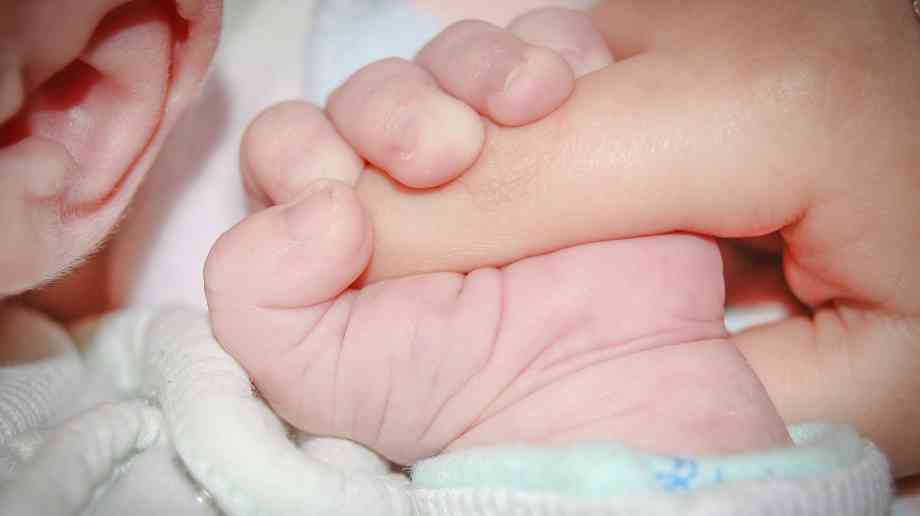
A Care Quality Commission (CQC) survey of more than 18,000 people in England has found that most women are having a positive experience of maternity care and treatment within the NHS.
Studying women who had given birth in February 2017 across 130 NHS trusts, respondents were questioned about all aspects of their maternity care, from the first time they saw a midwife, during labour, through to the care provided at home in the weeks following the birth.
The survey shows that 88 per cent of women surveyed said that they were ‘always’ treated with dignity and respect during labour and birth, an increase of two per cent over the last two years, while 77 per cent reported that they were never left alone during the birth of their baby at a time when it worried them, compared to 74 per cent in 2015. However, that means that almost one in four mothers are still being left alone during labour or birth.
Furthermore, 98 per cent of women said their midwife or health visitor asked them how they were feeling emotionally during their postnatal care. However, only 57 per cent of women said they were ‘definitely’ given enough information about potential emotional changes they might experience after giving birth. Additionally, 66 per cent of women felt they were ‘always’ given the information or explanations they needed after birth before returning home.
Professor Ted Baker, CQC’s Chief Inspector of Hospitals, said: “The survey identifies a number of encouraging data trends showing improvements in women’s experiences throughout pregnancy, during birth and postnatally, and it indicates a greater focus on women’s individual needs and choices.
“However, the scope for continued improvement remains, particularly in relation to women’s choices about their antenatal care and ensuring enough information is available to support women through any emotional changes they might experience after giving birth. Our own inspection work of maternity services so far shows that the majority of trusts are providing high quality care – with over 60 per cent of hospitals rated as either Good or Outstanding for maternity. However, this also highlights that further work is needed to narrow the variation that we know exists.”
Elizabeth Duff, of the National Childbirth Trust (NCT), said: “Encouragingly, the number of women left alone in labour has reduced. However it is still of great concern that 23 per cent of women are left alone during the birth of their baby which can be a very frightening and dangerous experience. This reinforces the fact that staffing levels are low and midwives are being stretched to the limit, so we continue to call on the government to address this midwife shortage.”
Latest News

16/02/2024 - 12:56
Hammersmith and Fulham Council has created a new alliance intended to clean dirty air and improve residents' health.

16/02/2024 - 10:44
Two million more GP appointments a month are being delivered for patients compared to the same month before the pandemic as part of the NHS primary care access recovery plan according to new NHS data.

15/02/2024 - 10:26
The Welsh Government has provided innovation funding of £380,000 to support two projects utilising technology in domiciliary care.

15/02/2024 - 10:13
The new Scottish health secretary has met with frontline staff at Queen Elizabeth University Hospital in Glasgow.

14/02/2024 - 10:27
The North East London NHS Foundation Trust (NELFT) has appointed three new Executive Directors to the Trust Board.
Product Features

UK Building Regulations highlight toxic gas and smoke from layers of paint built up over multiple redecorations as a major cause of permanent ill health or death in a building fire.
Their concern rose with discovery the flame retardant paints most widely used paint along escape routes have been ones which to this day counter-productively use emission of heavy toxic gas to smother flames which rapidly spread along walls if layers of paint delaminate in a fire.
Supplier Profiles

Northwich’s Victoria Infirmary (VIN) Community Diagnostic Centre (CDC) has enabled more patients

Adveco, the commercial hot water specialist, announces the launch of live metering of domestic ho
Latest Features

Sarah Greenslade, public affairs and communications officer at the British Parking Association looks at some of the problems and innovations in healthcare parking

It’s easy to assume that the comms team is there to handle press enquiries and the occasional social media storm – but the reality is that strategic communications can make a measurable impact across the entire organisation, from operational to financial, when done properly


