
This story was first published in digitalhealth.net

Prescription changes to free up millions of pounds for frontline care
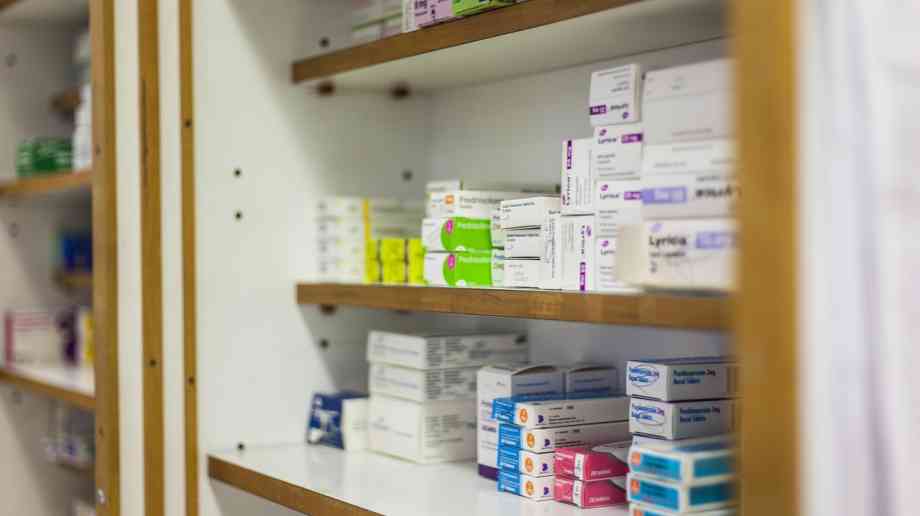
NHS England has agreed plans to save hundreds of millions of pounds every year by recommending low value treatments, including fish oil, herbal remedies and homeopathy no longer be provided on the NHS, and launching a consultation on curbs to prescriptions for some ‘over the counter’ products such as paracetamol.
In 2015/16, GPs issued 1.1 billion prescription items at a cost of £9.2 billion. Though the majority were appropriate, many were for medicines, products or treatments that do not require a prescription and can be purchased over the counter from pharmacies, supermarkets, petrol stations, corner shops or other retailers in some cases at a much lower cost than the price sold by the NHS.
The NHS could save around £190 million a year by cutting such prescriptions for minor, short-term conditions.
Over the counter products currently prescribed include cough mixture and cold treatments, eye drops, laxatives and sun cream lotions.
The changes will also free up millions of GP appointments that are currently taken up with prescribing these medicines.
NHS England will now press ahead with guidance to GPs and CCGs to remove ineffective, unsafe and low clinical value treatments, and restricting the use of a further 11, saving up to £141 million a year.
These savings form a key building block of the NHS’s 10 point efficiency plan contained in the Next Steps on the NHS Five Year Forward View. They will be redeployed into frontline patient care.
NHS England and NHS Clinical Commissioners are working with GPs, pharmacists and patient groups to develop and refine the proposals which will be consulted on in the New Year, in particular where exemptions may apply.
For low value medicines, NHS England has consulted a list of 18 treatments deemed to be ineffective, over-priced and of low clinical value.
The Board has agreed these treatments should no longer be routinely prescribed: homeopathy, herbal treatments, Omega-2 fatty acid compounds, Co-proxamol, rebufacients, lutein, antioxidants, glucosamine and chondroitin.
Simon Stevens, NHS England chief executive, said: “The NHS is one of the most efficient health services in the world but we’re determined to make taxpayers’ money go further. The NHS should not be paying for low value treatments and it’s right that we look at reducing prescriptions for medicines that patients can buy for a fraction of the price the NHS pays.”
Graham Jackson, NHSCC co-chair and clinical chair of NHS Aylesbury Vale CCG, said: “The guidance launched today, which resulted from work we initiated on behalf of our members, will support clinical commissioners in their work to prioritise effectively and make sure they are getting the best value for their medicines spend.
“We were pleased by the volume of responses to the consultation, which gave an opportunity to take into account and reflect the views of public, patients and clinicians and key stakeholders in the final guidance. We need to carry on having these honest open conversations on what the NHS can and should provide with the funding it has, so that we can continue to deliver high quality care.”
Latest News

16/02/2024 - 12:56
Hammersmith and Fulham Council has created a new alliance intended to clean dirty air and improve residents' health.

16/02/2024 - 10:44
Two million more GP appointments a month are being delivered for patients compared to the same month before the pandemic as part of the NHS primary care access recovery plan according to new NHS data.

15/02/2024 - 10:26
The Welsh Government has provided innovation funding of £380,000 to support two projects utilising technology in domiciliary care.

15/02/2024 - 10:13
The new Scottish health secretary has met with frontline staff at Queen Elizabeth University Hospital in Glasgow.

14/02/2024 - 10:27
The North East London NHS Foundation Trust (NELFT) has appointed three new Executive Directors to the Trust Board.
Product Features

UK Building Regulations highlight toxic gas and smoke from layers of paint built up over multiple redecorations as a major cause of permanent ill health or death in a building fire.
Their concern rose with discovery the flame retardant paints most widely used paint along escape routes have been ones which to this day counter-productively use emission of heavy toxic gas to smother flames which rapidly spread along walls if layers of paint delaminate in a fire.
Supplier Profiles

Northwich’s Victoria Infirmary (VIN) Community Diagnostic Centre (CDC) has enabled more patients

Adveco, the commercial hot water specialist, announces the launch of live metering of domestic ho
Latest Features

Sarah Greenslade, public affairs and communications officer at the British Parking Association looks at some of the problems and innovations in healthcare parking

It’s easy to assume that the comms team is there to handle press enquiries and the occasional social media storm – but the reality is that strategic communications can make a measurable impact across the entire organisation, from operational to financial, when done properly


