
This story was first published in digitalhealth.net

Two-fold increase in Dementia Helpline calls in the last decade
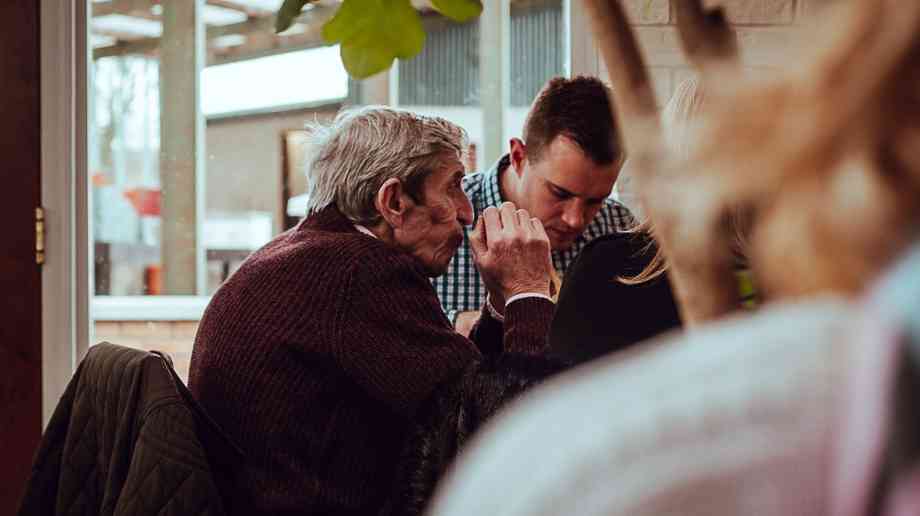
The number of crisis calls to Alzheimer’s Society’s Dementia Helpline have more than doubled in the last decade, with 45,000 calls for help being answered last year alone.
Approximately 120 calls were made each day last year, with a 10 per cent increase year on year since 2009. As well as calls to Alzheimer’s Society’s Dementia Helpline escalating, people coping with the difficulties of a dementia diagnosis are turning to the charity at all hours. Last year alone, there were around 1.5 million night visits to the charity’s website from 12:00am to 07:00am.
The festive season can be a particularly challenging and isolating time for people affected by dementia, as it can lead to a break in familiar routines, which can set too high expectations for people with dementia and can often be overwhelming. Last Christmas, there were around a quarter of a million unique page views of Alzheimer’s Society’s support and advice pages. Around 50,000 of these visits were on Christmas Eve, Christmas Day and Boxing Day.
Last year alone, the charity dealt with a spike of 42 per cent between December 2018 (2,840 calls) and January 2019 (4,040 calls) to its Dementia Helpline, with calls from concerned friends and relatives acting on differences in behaviour in loved ones noticed during the festive season.
Similarly, this January saw around a 20 per cent increase in people visiting Alzheimer’s Society’s online community forum Dementia Talking Point (126,230), compared with December 2018 (101,930) and February 2019 (104,890). Unique visits in December 2018 and January 2019 reached a quarter of a million (228,160), an increase of 46 per cent compared with April and May (156,660) of this year.
There are currently 850,000 people living with dementia, and a predicted one million will have the condition by 2025. But too many are facing a future alone and without adequate support after receiving the devastating diagnosis. A recent Alzheimer’s Society survey discovered that half of people with dementia have experienced isolation (56 per cent) and loneliness (58 per cent) since their diagnosis.
Jeremy Hughes, chief executive at Alzheimer’s Society, said: “Until we find a cure, we want everyone affected by dementia to know that whoever you are and whatever you are going through, you can turn to Alzheimer’s Society for support, help and advice. Far too many people affected by dementia are reaching crisis-point, feeling abandoned with nowhere to turn. It’s no wonder that we’re seeing upsurges in calls for help to our Dementia Helpline and visits to our online community and website for instant support, which is simply not available elsewhere.
“To help us cope with this increase in demand, please give whatever you can to Alzheimer’s Society this Christmas, so that we can continue to provide vital support to the 850,000 people living with dementia in the UK and the millions more families and friends who are affected during the festive season and all year-round.”
Latest News

16/02/2024 - 12:56
Hammersmith and Fulham Council has created a new alliance intended to clean dirty air and improve residents' health.

16/02/2024 - 10:44
Two million more GP appointments a month are being delivered for patients compared to the same month before the pandemic as part of the NHS primary care access recovery plan according to new NHS data.

15/02/2024 - 10:26
The Welsh Government has provided innovation funding of £380,000 to support two projects utilising technology in domiciliary care.

15/02/2024 - 10:13
The new Scottish health secretary has met with frontline staff at Queen Elizabeth University Hospital in Glasgow.

14/02/2024 - 10:27
The North East London NHS Foundation Trust (NELFT) has appointed three new Executive Directors to the Trust Board.
Product Features

UK Building Regulations highlight toxic gas and smoke from layers of paint built up over multiple redecorations as a major cause of permanent ill health or death in a building fire.
Their concern rose with discovery the flame retardant paints most widely used paint along escape routes have been ones which to this day counter-productively use emission of heavy toxic gas to smother flames which rapidly spread along walls if layers of paint delaminate in a fire.
Supplier Profiles

Northwich’s Victoria Infirmary (VIN) Community Diagnostic Centre (CDC) has enabled more patients

Adveco, the commercial hot water specialist, announces the launch of live metering of domestic ho
Latest Features

Sarah Greenslade, public affairs and communications officer at the British Parking Association looks at some of the problems and innovations in healthcare parking

It’s easy to assume that the comms team is there to handle press enquiries and the occasional social media storm – but the reality is that strategic communications can make a measurable impact across the entire organisation, from operational to financial, when done properly


