
This story was first published in digitalhealth.net

AI software trialled to support breast cancer screening
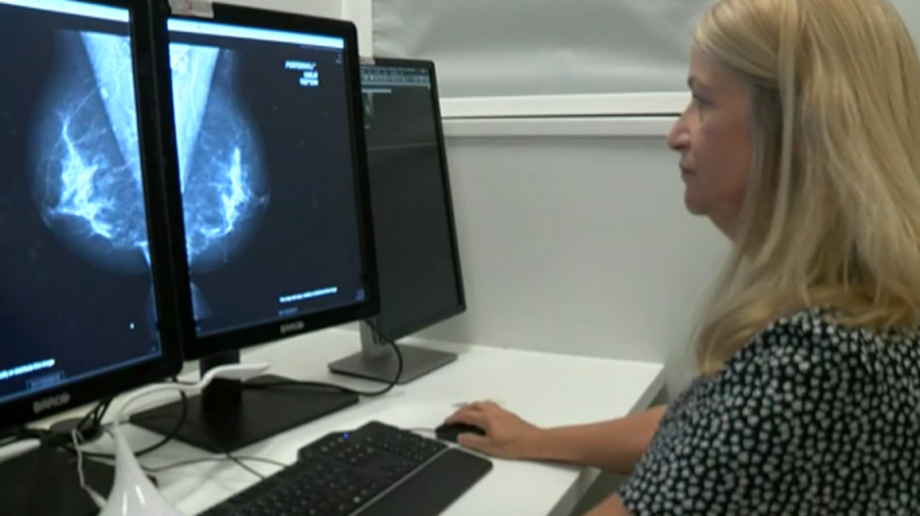
United Lincolnshire Hospitals NHS Trust is one of only two trusts in the country to take part in a groundbreaking new trial using artificial intelligence to support breast screening.
The trust is part of the East Midlands Radiology Consortium (EMRAD), a partnership of seven NHS trusts launched in 2013 with the objective to create the foundations for stronger clinical collaboration, starting with the implementation of a new, common digital radiology system.
Since its formation, the East Midlands has become the first health community in the UK where NHS hospitals could quickly and easily share diagnostic images such as x-rays and scans, with all images currently produced during breast screenings, known as mammograms, reviewed by two members of the breast screening reading team.
Last year, the consortium formed a partnership with two UK-based AI companies, Faculty and Kheiron Medical, to help develop, test and ultimately deploy AI tools in the breast cancer screening programme in the East Midlands.
The ‘Platform’ software has the potential to help optimise clinic scheduling and staff resourcing, helping the service to be as efficient and effective as possible. The aim is to make the best possible use of scarce resources like radiologists’ time and scanners, and to reduce stress on the clinical and administrative workforce delivering the programme.
Kheiron Medical’s MIA (mammography intelligent assessment) tool uses an AI algorithm to try and diagnose breast cancer. The UK trial is using scans from ULHT and Nottingham University Hospitals NHS Trust.
Bernadette Trzcinski, the trust’s lead on the project, said: “I am really excited to be working on this trial, which may revolutionise how we read scans in the future. Across the country we desperately need something to help us with the current staff shortages, which are predicted to become increasingly challenging as the demand for imaging grows. The success of this project will transform the breast screening service, improving both quality and efficiency for our breast screening population.
“It is not about replacing radiologists. All scans at the trust will continue to be read by at least one member of the breast screening reading team. However if MIA is successful, it has the potential to half the amount of time we spend reviewing scans, this is time we could be spending with our patients, improving their overall experience.”
Latest News

16/02/2024 - 12:56
Hammersmith and Fulham Council has created a new alliance intended to clean dirty air and improve residents' health.

16/02/2024 - 10:44
Two million more GP appointments a month are being delivered for patients compared to the same month before the pandemic as part of the NHS primary care access recovery plan according to new NHS data.

15/02/2024 - 10:26
The Welsh Government has provided innovation funding of £380,000 to support two projects utilising technology in domiciliary care.

15/02/2024 - 10:13
The new Scottish health secretary has met with frontline staff at Queen Elizabeth University Hospital in Glasgow.

14/02/2024 - 10:27
The North East London NHS Foundation Trust (NELFT) has appointed three new Executive Directors to the Trust Board.
Product Features

UK Building Regulations highlight toxic gas and smoke from layers of paint built up over multiple redecorations as a major cause of permanent ill health or death in a building fire.
Their concern rose with discovery the flame retardant paints most widely used paint along escape routes have been ones which to this day counter-productively use emission of heavy toxic gas to smother flames which rapidly spread along walls if layers of paint delaminate in a fire.
Supplier Profiles

Northwich’s Victoria Infirmary (VIN) Community Diagnostic Centre (CDC) has enabled more patients

Adveco, the commercial hot water specialist, announces the launch of live metering of domestic ho
Latest Features

Sarah Greenslade, public affairs and communications officer at the British Parking Association looks at some of the problems and innovations in healthcare parking

It’s easy to assume that the comms team is there to handle press enquiries and the occasional social media storm – but the reality is that strategic communications can make a measurable impact across the entire organisation, from operational to financial, when done properly


