
This story was first published in digitalhealth.net

New guideline on arranging planned care in hospitals
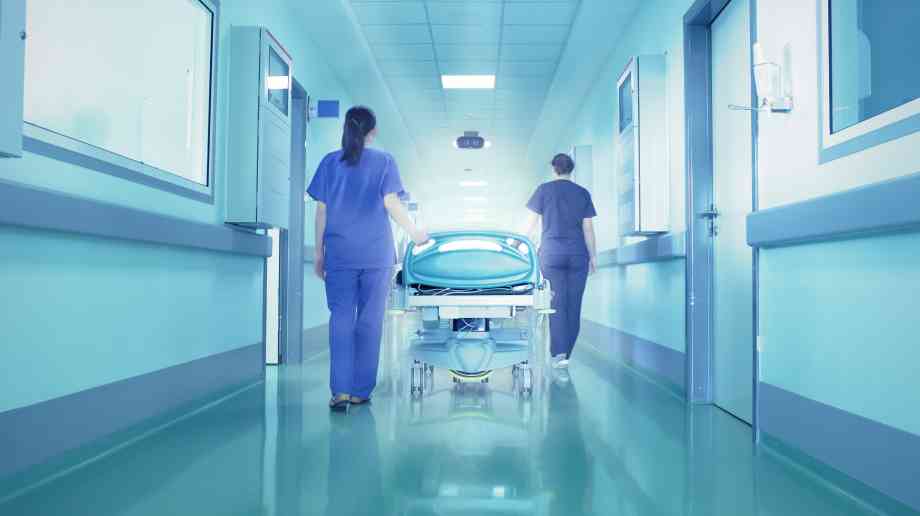
NICE has published a guideline on the arrangements the NHS should put in place for patients needing elective surgery and other planned treatments and procedures during the coronavirus pandemic.
The guideline makes recommendations about how these services should be organised in order to balance the risks associated with the virus with the potential harms that can arise from delays in elective treatment and diagnostic procedures. It promotes a flexible approach based on individual circumstances and the type of procedure and aims to support the prompt recovery of elective care, while advocating shared decision-making, balancing the risks and benefits.
The guideline emphasises the need to discuss with people having planned care factors such as older age, sex and whether they are from a black, Asian or other minority ethnic group, or have any underlying conditions that could increase their risk of getting coronavirus.
In order to minimise the risk of transmission to other patients and healthcare workers, the guideline says that people having planned care involving any form of anaesthesia or sedation should follow comprehensive social-distancing and hand-hygiene measures for 14 days before admission. They should also be advised to have a test for SARS‑CoV‑2 within three days before admission and self-isolate from the day of the test until the day of admission.
For all other planned procedures, including diagnostic tests and imaging, people should be advised to follow comprehensive social distancing and hand hygiene measures for 14 days before having planned care.
The guideline also says that people should be informed that their planned care is likely to be postponed if they test positive for SARS-CoV-2, have symptoms of coronavirus, are not clinically well enough or need to self-isolate after contact with someone with coronavirus.
Dr Layla McCay, director at the NHS Confederation, said: “If we are serious about addressing NHS waiting lists, we will need to move from generic national policy to allow for local variation, opportunity and needs. It is right that this policy is adjusted so that more decisions can be made locally, taking into account the patient’s personal circumstances, staffing, estates, cooperation with other health and care organisations, and local variations in infection rates, all while adhering to testing, hand hygiene and social distancing requirements.
“The NHS faces a huge challenge in getting through the millions of planned procedures that had to be paused and that have built up as part of our initial response to containing the spread of the disease, alongside supporting an exhausted workforce, maintaining capacity for a possible second wave and preparing for flu outbreaks this winter. Public expectations must continue to be managed in what the NHS can deliver safely and by when, and as that the immediate national threat of the virus continues to subside, more decisions on resuming services should be deferred to local leaders.”
Latest News

16/02/2024 - 12:56
Hammersmith and Fulham Council has created a new alliance intended to clean dirty air and improve residents' health.

16/02/2024 - 10:44
Two million more GP appointments a month are being delivered for patients compared to the same month before the pandemic as part of the NHS primary care access recovery plan according to new NHS data.

15/02/2024 - 10:26
The Welsh Government has provided innovation funding of £380,000 to support two projects utilising technology in domiciliary care.

15/02/2024 - 10:13
The new Scottish health secretary has met with frontline staff at Queen Elizabeth University Hospital in Glasgow.

14/02/2024 - 10:27
The North East London NHS Foundation Trust (NELFT) has appointed three new Executive Directors to the Trust Board.
Product Features

UK Building Regulations highlight toxic gas and smoke from layers of paint built up over multiple redecorations as a major cause of permanent ill health or death in a building fire.
Their concern rose with discovery the flame retardant paints most widely used paint along escape routes have been ones which to this day counter-productively use emission of heavy toxic gas to smother flames which rapidly spread along walls if layers of paint delaminate in a fire.
Supplier Profiles

Northwich’s Victoria Infirmary (VIN) Community Diagnostic Centre (CDC) has enabled more patients

Adveco, the commercial hot water specialist, announces the launch of live metering of domestic ho
Latest Features

Sarah Greenslade, public affairs and communications officer at the British Parking Association looks at some of the problems and innovations in healthcare parking

It’s easy to assume that the comms team is there to handle press enquiries and the occasional social media storm – but the reality is that strategic communications can make a measurable impact across the entire organisation, from operational to financial, when done properly


