
This story was first published in digitalhealth.net

Funding for dedicated infection lab in Southampton
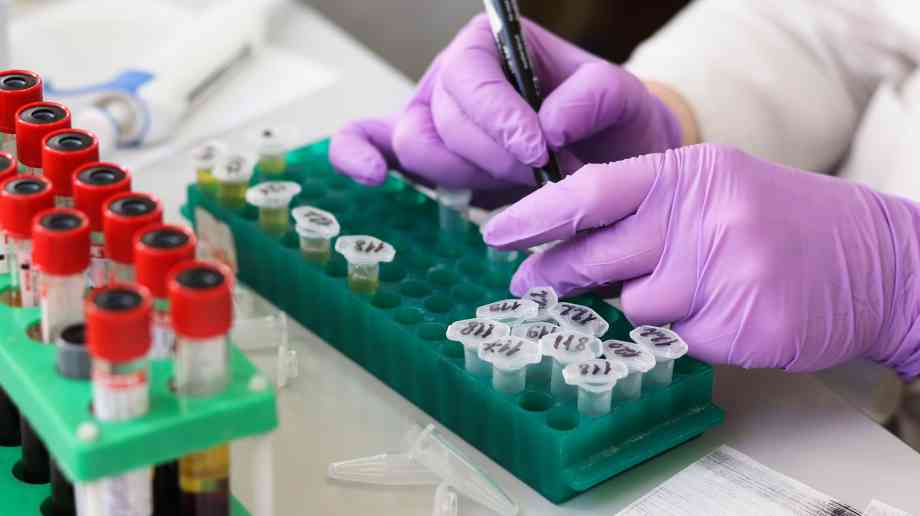
Clinicians and researchers in Southampton have secured a £2.8 million investment to develop cutting-edge research laboratories to tackle antibiotic-resistant infections.
More than 5,000 people in the UK die from these infections every year – a number that is rising year-on-year with concerns new strains of bacteria may emerge that cannot be treated by any existing antibiotics. Overuse of antibiotics in recent years means they are becoming less effective and has led to the emergence of strains of bacteria that have become immune to treatment, known as antimicrobial resistance.
Therefore, University Hospital Southampton NHS Foundation Trust and the University of Southampton's Global Network for Anti-Microbial Resistance and Infection Prevention (UoS NAMRIP) are set to develop state-of-the-art research facilities to tackle that threat on the frontline. The lab will allow real-time study of both emerging infections and new treatments, with researchers working directly with consultants and services including children’s medicine, surgery, infectious diseases and emergency medicine.
The £2.8 million funding is part of a £32 million package awarded to 10 sites nationally by the Department of Health and Social Care as part of its 20-year vision and five-year national plan on antimicrobial resistance.
Paula Head, CEO of University Hospital Southampton NHS Foundation Trust, said: "Our dedicated and passionate staff are already tackling the threat of antibiotic resistance daily through better prescribing, care and infection prevention.“Patients will benefit by accessing trials of the very latest discoveries, technology and treatment, while our development of those new options and understanding will be massively accelerated. As a leading university hospital it is our role to take the fight to these infections and I am delighted that this award gives us the means to drive tomorrow's treatments."
Latest News

16/02/2024 - 12:56
Hammersmith and Fulham Council has created a new alliance intended to clean dirty air and improve residents' health.

16/02/2024 - 10:44
Two million more GP appointments a month are being delivered for patients compared to the same month before the pandemic as part of the NHS primary care access recovery plan according to new NHS data.

15/02/2024 - 10:26
The Welsh Government has provided innovation funding of £380,000 to support two projects utilising technology in domiciliary care.

15/02/2024 - 10:13
The new Scottish health secretary has met with frontline staff at Queen Elizabeth University Hospital in Glasgow.

14/02/2024 - 10:27
The North East London NHS Foundation Trust (NELFT) has appointed three new Executive Directors to the Trust Board.
Product Features

UK Building Regulations highlight toxic gas and smoke from layers of paint built up over multiple redecorations as a major cause of permanent ill health or death in a building fire.
Their concern rose with discovery the flame retardant paints most widely used paint along escape routes have been ones which to this day counter-productively use emission of heavy toxic gas to smother flames which rapidly spread along walls if layers of paint delaminate in a fire.
Supplier Profiles

Northwich’s Victoria Infirmary (VIN) Community Diagnostic Centre (CDC) has enabled more patients

Adveco, the commercial hot water specialist, announces the launch of live metering of domestic ho
Latest Features

Sarah Greenslade, public affairs and communications officer at the British Parking Association looks at some of the problems and innovations in healthcare parking

It’s easy to assume that the comms team is there to handle press enquiries and the occasional social media storm – but the reality is that strategic communications can make a measurable impact across the entire organisation, from operational to financial, when done properly


