
This story was first published in digitalhealth.net

New service to fast track diagnosis for rare genetic disorders
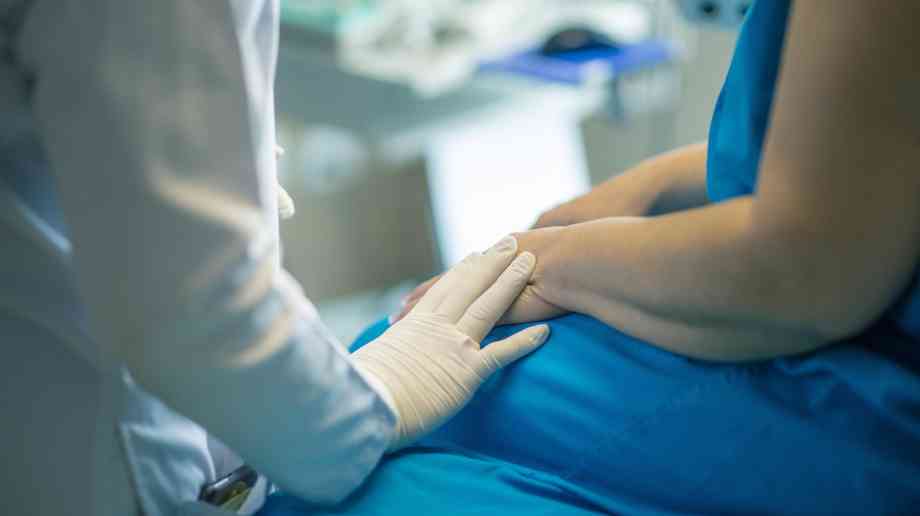
The NHS has launched a new service to fast-track diagnosis and specialist care for hundreds of people with a range of rare conditions primarily affecting the central nervous system.
Patients with inherited white matter disorders (IWMDs), also known as leukodystrophies, will now be able to rapidly access to expert teams, increased virtual support to reduce unnecessary travel to distant face-to-face appointments, and improved local support from nearby clinics providing local testing and symptom management.
IWMDs are estimated to affect thousands of adults and children of all ages and ethnic backgrounds in the UK and usually affect the white matter of the brain and spinal cord, causing symptoms such as impaired mobility, vision, speech and hearing, inability to swallow and loss of cognitive skills.
‘One-stop’ virtual clinical reviews and early genetic testing will help provide a more specific diagnosis and clearer path to specialist treatment for children and adults affected by the disorders, which can be degenerative and life-limiting. It is hoped that patients will be diagnosed more quickly and can receive support to manage their symptoms sooner, to help ensure the best possible quality of life.
The new service expects to review more than 300 patients a year and will provide a specialist multi-disciplinary team where those with a suspected IWMD can be referred by local neurology and genetics services as well as other specialist services.
The service includes access to new nationally-designated molecular genetics laboratories with expertise in next-generation sequencing, and, in particular, in IWMDs.
A care plan will be designed in conjunction with the local team following rapid diagnosis.
Patients will also be registered with the new IWMD clinical registry, which means eligible patients will have better access to new treatments and clinical trials as and when they become available.
John Stewart, director for specialised commissioning at NHS England said: “This new service is a pioneering model of NHS care, with a combination of virtual and face-to-face care with access to a range of experts.
“This means hundreds of children and adults will see IWMD specialists and get a genetic diagnosis sooner. The new clinical registry also provides opportunities for clinicians to learn more about the condition, identify patients likely to benefit from trials of potential new treatments and will enable patients to share information about how they are feeling”.
Health minister Helen Whately said: “This pioneering new service means people with rare IWMDs will be diagnosed earlier and treated faster.
“It’s thanks to the NHS successfully harnessing research and joining up specialist services.
“Our Rare Diseases Action Plan committed to reducing health inequalities and improving the lives of people with rare diseases. This is an important step towards fulfilling those commitments”.
Image by fernando zhiminaicela from Pixabay
Latest News

16/02/2024 - 12:56
Hammersmith and Fulham Council has created a new alliance intended to clean dirty air and improve residents' health.

16/02/2024 - 10:44
Two million more GP appointments a month are being delivered for patients compared to the same month before the pandemic as part of the NHS primary care access recovery plan according to new NHS data.

15/02/2024 - 10:26
The Welsh Government has provided innovation funding of £380,000 to support two projects utilising technology in domiciliary care.

15/02/2024 - 10:13
The new Scottish health secretary has met with frontline staff at Queen Elizabeth University Hospital in Glasgow.

14/02/2024 - 10:27
The North East London NHS Foundation Trust (NELFT) has appointed three new Executive Directors to the Trust Board.
Product Features

UK Building Regulations highlight toxic gas and smoke from layers of paint built up over multiple redecorations as a major cause of permanent ill health or death in a building fire.
Their concern rose with discovery the flame retardant paints most widely used paint along escape routes have been ones which to this day counter-productively use emission of heavy toxic gas to smother flames which rapidly spread along walls if layers of paint delaminate in a fire.
Supplier Profiles

Northwich’s Victoria Infirmary (VIN) Community Diagnostic Centre (CDC) has enabled more patients

Adveco, the commercial hot water specialist, announces the launch of live metering of domestic ho
Latest Features

Sarah Greenslade, public affairs and communications officer at the British Parking Association looks at some of the problems and innovations in healthcare parking

It’s easy to assume that the comms team is there to handle press enquiries and the occasional social media storm – but the reality is that strategic communications can make a measurable impact across the entire organisation, from operational to financial, when done properly


