
This story was first published in digitalhealth.net

Public satisfaction with GP services falls to lowest level
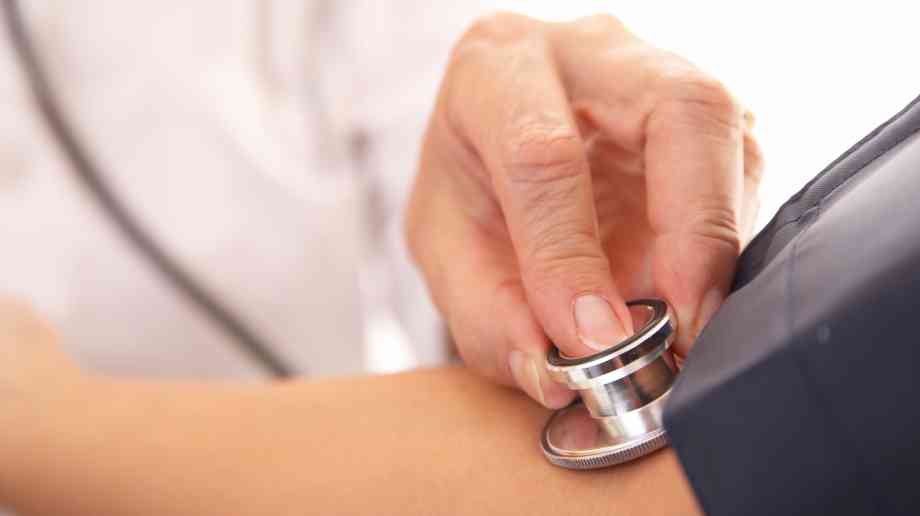
The annual British Social Attitudes survey has revealed that public satisfaction with GP services has fallen to its lowest level since records began in 1983.
The 2017 study showed that satisfaction dropped seven percentage points to 65 per cent, marking the first time general practice has not been the highest-rated NHS service, with waiting times highlighted as a major factor with the dissatisfaction.
Overall dissatisfaction levels were also the result of staff shortages, current lack of funding and government reforms. However, the survey highlighted the quality of care and having a service that is free at the point of use as the main reasons for satisfaction.
Public satisfaction with the NHS also fell, dropping six percentage points from its 2016 position, with only 57 per cent of those surveyed happy with the service while dissatisfaction has risen to 29 per cent - the highest level in a decade.
The survey was conducted by the National Centre for Social Research (NatCen) and analysed by the Nuffield Trust and the King's Fund think tanks.
Ruth Robertson, fellow at the King's Fund. "The public used to put GPs on a pedestal. But since 2009, when there was an 80 per cent satisfaction rating, it has been steadily declining. It shows the impact of the huge pressure on GPs and the public is responding to that.
“More people are satisfied with the NHS than are dissatisfied. They showed really strong support for the core value principles of the NHS. I think this shows that it is not falling out of favour, but people are worried about the NHS and they are worried about funding and staffing shortages.”
Helen Stokes-Lampard, chairman of the Royal College of GPs, responded to the findings: "This is extremely distressing news for hard-pressed GPs and their teams who are working flat out to do the very best they can for their patients in increasingly difficult circumstances. But while we are very disappointed in these figures, they are hardly surprising as what we are seeing now is symptomatic of the inevitable effects of a decade of underinvestment in our family doctor service - and just not having enough GPs in the system to meet demand.
"Our service is the lifeblood of the NHS - we manage risk and uncertainty as well as considering all aspects of our patients' lives when delivering care. Without general practice, other NHS services would crumble, but we urgently need more support, including more GPs, if we are to deliver the safe and effective care that our patients need and have come to rely on."
Latest News

16/02/2024 - 12:56
Hammersmith and Fulham Council has created a new alliance intended to clean dirty air and improve residents' health.

16/02/2024 - 10:44
Two million more GP appointments a month are being delivered for patients compared to the same month before the pandemic as part of the NHS primary care access recovery plan according to new NHS data.

15/02/2024 - 10:26
The Welsh Government has provided innovation funding of £380,000 to support two projects utilising technology in domiciliary care.

15/02/2024 - 10:13
The new Scottish health secretary has met with frontline staff at Queen Elizabeth University Hospital in Glasgow.

14/02/2024 - 10:27
The North East London NHS Foundation Trust (NELFT) has appointed three new Executive Directors to the Trust Board.
Product Features

UK Building Regulations highlight toxic gas and smoke from layers of paint built up over multiple redecorations as a major cause of permanent ill health or death in a building fire.
Their concern rose with discovery the flame retardant paints most widely used paint along escape routes have been ones which to this day counter-productively use emission of heavy toxic gas to smother flames which rapidly spread along walls if layers of paint delaminate in a fire.
Supplier Profiles

Northwich’s Victoria Infirmary (VIN) Community Diagnostic Centre (CDC) has enabled more patients

Adveco, the commercial hot water specialist, announces the launch of live metering of domestic ho
Latest Features

Sarah Greenslade, public affairs and communications officer at the British Parking Association looks at some of the problems and innovations in healthcare parking

It’s easy to assume that the comms team is there to handle press enquiries and the occasional social media storm – but the reality is that strategic communications can make a measurable impact across the entire organisation, from operational to financial, when done properly


